

Fever isn’t necessarily a bad thing − it’s actually a useful response to infections.
Articles on Pathogens
Displaying 21 - 40 of 119 articles

Children are particularly susceptible to the bugs that lurk in unsanitary water.

But with a little preparation, you can make your next summer barbecue or picnic memorable for all the right reasons.

Pathogens have distinct electrical charges, shapes and sizes. Measuring how quickly they move through an electric field can help researchers separate different species in a sample in minutes.

Most new parents are unaware of the risks of other people kissing their newborn baby.

Every time you shower, you are coating yourself with the showerhead bacteria and the viruses that prey on them.
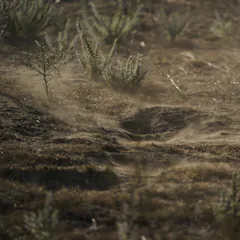
Cases of valley fever are typically most prevalent in California’s Central Valley and southern Arizona, but they have been increasing in California’s central and southern coastal areas.
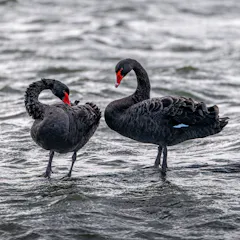
The lethal strain of highly pathogenic bird flu is everywhere – except Australia, New Zealand and the Pacific Islands. Here’s how we’re planning for its arrival

There are more antibiotics being developed today than there were a few years ago, but the antibiotic-resistance problem remains critical.
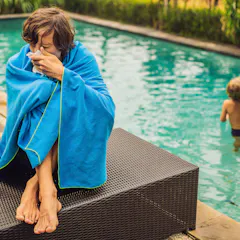
Common summer activities can expose you to a host of infectious diseases. But there are simple steps you can take to protect yourself from pathogens ranging from E. coli to T. gondii.

Bushwalkers with smartphones could help scientists track a fungus lethal to many of Australia’s most loved trees.
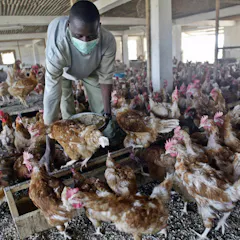
People should minimise contact with birds in areas affected by bird flu viruses, including farms and settings where live animals may be sold or slaughtered.
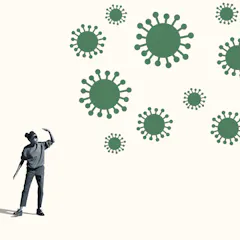
Your immune system is often able to fend off pathogens it’s never seen before. But defending your body against all of them all at once is a tough challenge.

Gut bacteria consume the nutrients that harmful pathogens need to survive, thereby keeping them in check, a new study finds.

You’ll never look at bagged lettuce the same way again.

The bacterium that causes Lyme disease is a master of disguise, changing its appearance to evade the immune system as it moves from the ticks that carry it to humans or animals.

The heat and chills that come with fever are not only uncomfortable but also metabolically costly. Increased body temperature, however, can make all the difference when you’re sick.

Researchers simulated thousands of scenarios of an ancient pathogen being released into modern ecosystems. In the worst cases, up to one-third of host species were destroyed.

Time and information is of the essence when tackling infectious diseases across countries and continents.

Museum archives hold biological specimens that have been collected over years or even decades. Modern molecular analysis of these collections can reveal information about pathogens and their spread.
Top contributors
-

Senior Lecturer in Clinical Microbiology, University of Leicester
-
Associate professor, University of KwaZulu-Natal
-
Professor of Emergency Medicine, University of New Mexico
-
Associate Professor of Biology, Tufts University
-
Special Professor of Phytopathology, Wageningen University
-
Associate professor, University of Sydney
-
Associate Professor of Environmental & Occupational Health, Saint Louis University
-
Food microbiologist and Food safety specialist, CSIRO
-
University of California, Riverside
-
Postdoctoral research fellow, Stellenbosch University
-
Alfred Deakin Professor and Chair in Ecology, Deakin University
-
Postdoctoral fellow, University of South Africa
-
Dean, Public Health, Medical and Veterinary Sciences, James Cook University
-
Senior Lecturer in Ecology, University of Wollongong
-
Associate professor, University of South Africa