
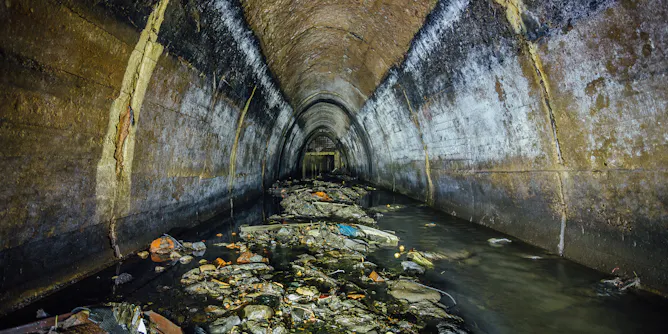
Identifying the emergence of a disease often relies on sick people seeking medical help. Wastewater monitoring can identify pathogens days or weeks earlier.
Articles on Pathogens
Displaying 61 - 80 of 119 articles

Victoria currently has three avian influenza outbreaks across six farms. They are being treated as an emergency. Here’s how authorities are responding.

UV disinfection is a proven means of killing pathogens like the SARS-CoV-2 virus, but it’s not risk-free.
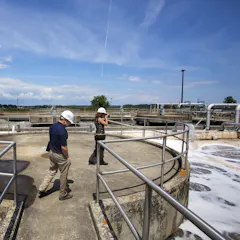
Sewage surveillance is one technique that can alert authorities to the presence of a pathogen in the community. An environmental engineer explains the state of the science when it comes to SARS-CoV-2.

Aerosols of some FDA-approved food coloring could deactivate airborne viruses.
Miniaturized laboratory equipment is making it easier to identify airborne pathogens in the field, but there’s still work ahead to be able to instantly determine if a room is safe or contaminated.

Life in a honey bee hive is all about cooperating for the collective good.
Fluid mechanics can be applied to the transport of respiratory diseases such as COVID-19.
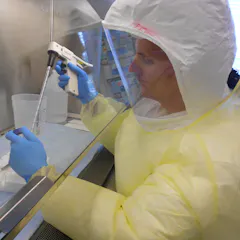
To find a SARS-CoV-2 vaccine, scientists need to work hands-on with the highly infectious coronavirus. It happens in a super secure lab designed to keep them safe and prevent any escapes.
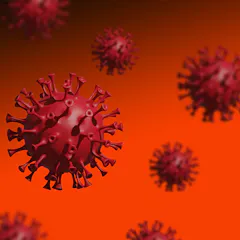
Pathogens typically face a trade-off between virulence and transmission. But that’s not the case with SARS-CoV-2.

People have lived with infectious disease throughout the millennia, with culture and biology influencing each other. Archaeologists decode the stories told by bones and what accompanies them.
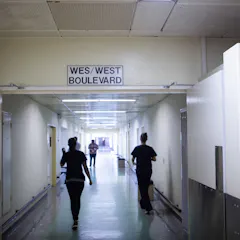
The study of two hospitals was a first for researching the microbiology of the built environment in South Africa – a multi-disciplinary approach to understanding how to design healthier buildings.

Plant diseases require as much attention now as ever to ensure that food systems are in place in the next season. There are also serious implications for forestry and the environment more broadly.
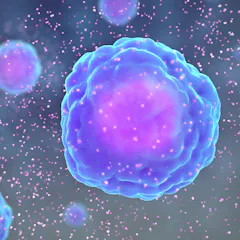
We blame the coronavirus for the thousands of deaths, but it is actually a hyperactive immune reaction that is the cause of death. An immunologist explains.
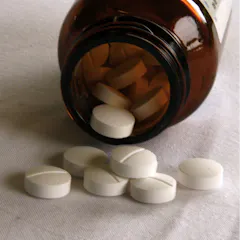
A CSIRO survey has found many people are confused about common infections, believing antibiotics can treat colds, flu and other viruses. This could fuel a dangerous rise in drug-resistant superbugs.
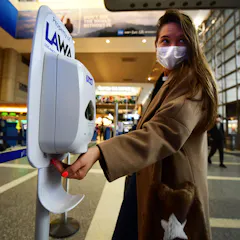
Human psychology has evolved to avoid situations that could lead to infection. Behavioral choices now could have long-term effects on how people interact with others and the world.
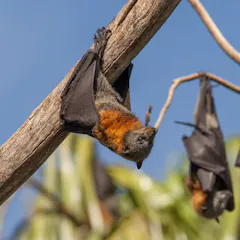
Zoonotic diseases can emerge closer to home than you realise.
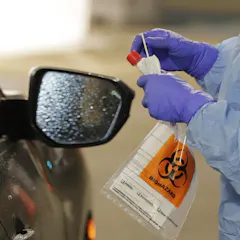
A virus testing lab director explains how the U.S. fell behind in the need for broad coronavirus testing.
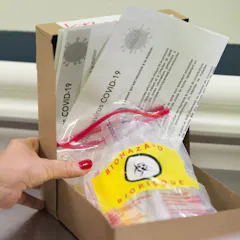
The COVID-19 pandemic may trigger large-scale disruptions such as school closures, event cancellations and movement restrictions.
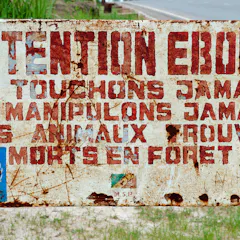
The biggest lesson has been that controlling a disease outbreak like Ebola is impossible without community trust and engagement.
Top contributors
-

Senior Lecturer in Clinical Microbiology, University of Leicester
-
Associate professor, University of KwaZulu-Natal
-
Professor of Emergency Medicine, University of New Mexico
-
Associate Professor of Biology, Tufts University
-
Special Professor of Phytopathology, Wageningen University
-
Associate professor, University of Sydney
-
Associate Professor of Environmental & Occupational Health, Saint Louis University
-
Food microbiologist and Food safety specialist, CSIRO
-
University of California, Riverside
-
Postdoctoral research fellow, Stellenbosch University
-
Alfred Deakin Professor and Chair in Ecology, Deakin University
-
Postdoctoral fellow, University of South Africa
-
Dean, Public Health, Medical and Veterinary Sciences, James Cook University
-
Senior Lecturer in Ecology, University of Wollongong
-
Associate professor, University of South Africa