
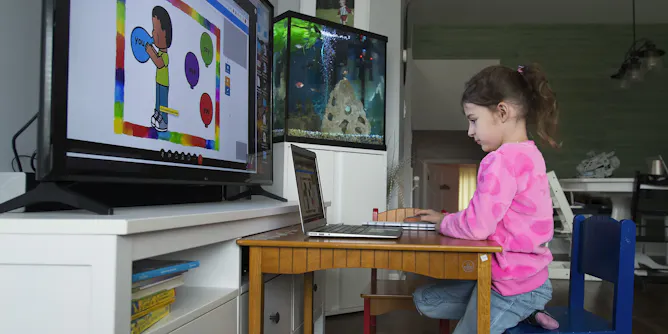
Motivating students, encouraging their self-regulation and maintaining home-school communication are ways parents have the potential to positively influence learning outcomes.
Articles on Online learning
Displaying 101 - 120 of 210 articles

Online learning can create problems for students, particularly those with disabilities, unless platforms and content are designed with accessibility and inclusion in mind.

A team of experts argues that after taking care of essential workers, COVID-19 vaccinations should be given to the greatest transmitters of the virus, who are mostly the young.

While providing access to digital technology is important, it won’t even the digital playing field. If teachers can embrace all students’ digital interests as opportunities for learning, it would help.
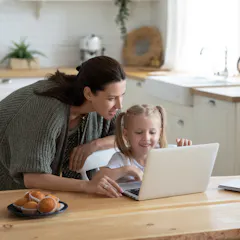
Children need to learn how to manage their own accounts and passwords as an extension of their identity.
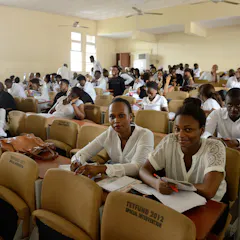
The assumption has always been that students would enjoy online learning but our research, during COVID-19 lock down, found otherwise.

Checking for symptoms is just the beginning. Here are 10 ways schools can help keep children, families and faculty safe.
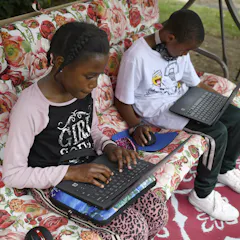
One big complication with K-12 distance learning is how hard it is to get children and teens to log in and do their schoolwork. But there are things teachers and families can do to help.
In response to the coronavirus pandemic, universities are using video for so much of their teaching. Some worry this will hurt student learning, but that’s not what we found.

With Year 12s studying for their final year exam, the score of which will be converted into a ranking as related to their peers across the country, many Victorians are worried they may be set back.
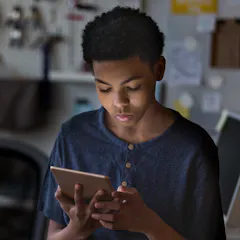
It’s worth going out of your way to ensure that kids practice interacting with others and maintain their friendships.

Vice-chancellors from three South African universities unpack how the COVID-19 pandemic could alter the country’s higher education sector.
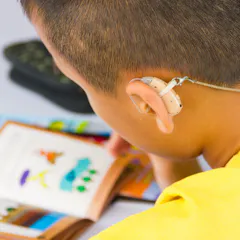
A seven week survey asked questions on the experiences of students with disabilities and their families when schools across Australia had mostly closed, and children learnt remotely.
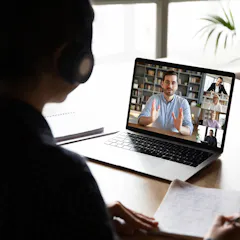
When lockdowns went into effect earlier this year, interest in massive online open courses, or MOOCs, began to surge. An expert expects the interest to continue.
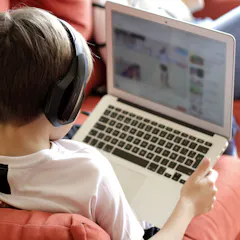
Children will probably be OK, especially if their families make sure this elevated level of screen time doesn’t turn into a long-term habit.
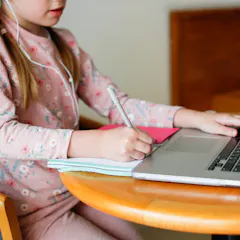
A sustainable return to remote learning must ensure schools and the government address social, emotional and equity issues of students, and increasing workloads for teachers.

A Grattan Institute report shows the achievement gap between disadvantaged and advantaged students widens at triple the rate in remote schooling compared to regular class.
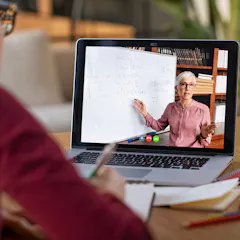
Research shows few differences in academic outcomes between online and face-to-face university courses. A professor who’s been teaching online for years offers advice on good online courses.
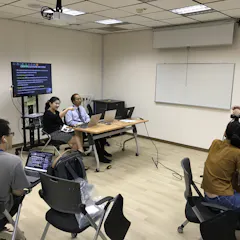
The pandemic has intensified online learning, but educators are struggling to keep students engaged. Faculty members from the National University of Singapore offer three strategies to overcome this.
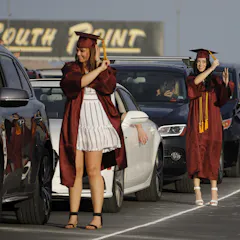
High school seniors will miss important anticipated events due to the coronavirus pandemic, but offering resources, alternatives and the confidence that they’re going to be fine is what matters.
Top contributors
-

Senior Lecturer in Technology Enhanced Learning, Lancaster University
-
Professor of learning technologies, University of Minnesota
-
Associate Professor, Faculty of Education, University of Windsor
-
Professor and Co-Director, Centre for Research in Assessment and Digital Learning, Deakin University
-
Senior Lecturer in Education, Queensland University of Technology
-
Director of UWA Centre for Software Practice, The University of Western Australia
-
Professor Emeritus, The University of Queensland
-
Emeritus professor, Deakin University
-
Director of the Learning, Instruction & Technology Lab and Professor of Educational Psychology, School of Education, The University of Queensland
-
Pro Vice-Chancellor (Learning Transformations), Swinburne University of Technology
-
CEO of Smart Sparrow and Adjunct Lecturer, School of Computer Science and Engineering, UNSW
-
Professor Emerita of Linguistics, American University
-
Postdoctoral Researcher, University of California, Irvine
-
Chief Executive Officer, Australian Institute of Business
-
Professor of Higher Education Policy, Monash University