
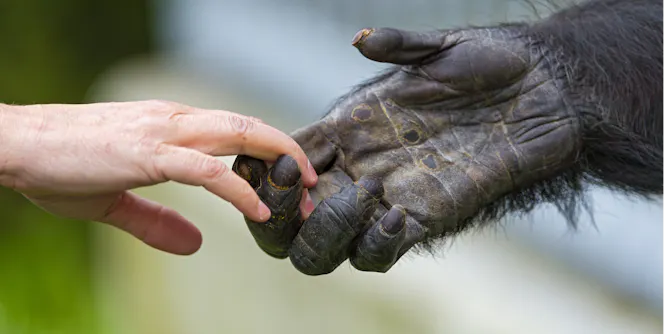
Infectious diseases can spill over from animals to humans as well as spill back. Each cross-species transmission gives pathogens a chance to evolve and spread even further.
Articles on One Health
Displaying 21 - 40 of 53 articles

Many unhoused people have pets, however, accessing health care for themselves and their pets can be a challenge. ‘One Health’ clinics can provide vital health care to unhoused people and their pets.
Our approach to combating pandemics must shift to one that prioritizes prevention of human infections with zoonotic viruses, rather than focusing on rapid response once human infection is widespread.

Pandemics often have animal origins, so prevention is often dominated by health and veterinary sciences. However, social sciences’ role in understanding human behaviour is also crucial to prevention.

The contrasting realities of antimicrobial resistance between high-income countries and low- and middle-income countries demands international co-operation to effectively fight superbugs.
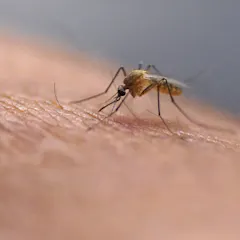
West Nile virus arrived in North America in 1999 and spread across the continent by 2005. Here’s what you need to know about this mosquito-borne pathogen.
Vaccination against bird flu offers farmers hope, rather than being caught between the anguish of finding a sick bird and the desolation of having to slaughter their entire flock.
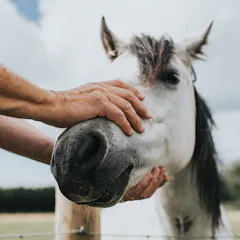
Horses and humans share biological similarities that lead them to suffer from similar endocrine and orthopedic diseases. A number of treatments that work for one species often work for the other.
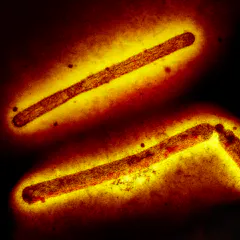
Avian influenza — commonly known as ‘bird flu’ — is infecting domestic and wild birds in Canada and around the world.
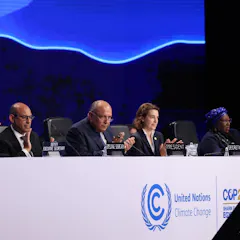
The absence of norms defining the common good and the insufficient place of scientific arguments in the democratic debate weaken the capacity of liberalism to face global threats.

Financial support for science and research in Nigeria remains pathetic. This has led to the deterioration in the quantity and quality of trained virologists at universities.
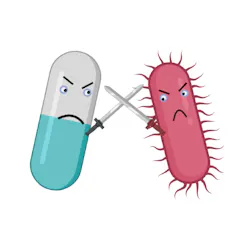
Antimicrobial resistance is a growing threat. Here’s how resistant genes sneak into human guts via wastewater, food and other routes.

If surveillance focuses only on diseases that have already emerged, we’ll remain behind the curve. Better prediction of future pandemics will need to integrate animal, planetary and human health.
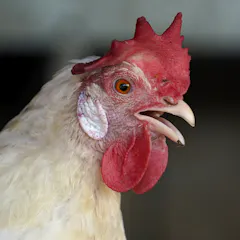
Avian influenza virus — or bird flu — can infect domestic poultry such as chickens and turkeys, as well as wild birds. The H5N1 strain has been identified in Canada.

Normally land-bound pathogens that cause deadly diseases for both humans and animals can cling to microplastics and end up in your seafood.

Before COVID-19, clean water, antibiotics and vaccines had made us complacent about infectious disease. Infection control can no longer be taken for granted. We must be prepared for future pandemics.
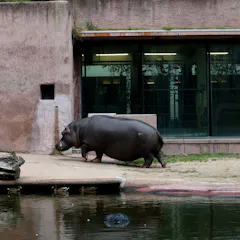
COVID-19 has been found in wild, captive and domesticated animals. To understand and combat the disease, a One Health approach that considers human, animal and environmental factors is essential.

One Health recognizes the interrelations between the health of humans, other animals, and their shared environments. It should be integrated in the international treaty on pandemics.
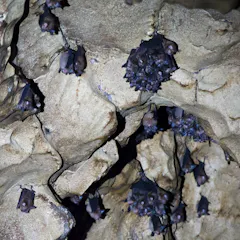
How can nations prevent more pandemics like COVID-19? One priority is reducing the risk of diseases’ jumping from animals to humans. And that means understanding how human actions fuel that risk.
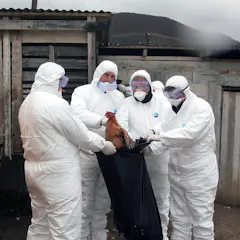
Ever since the 2001 SARS outbreak and H5N1 avian flu in 2003, we’ve developed tools to monitor diseases that transmitted from animals to humans. But what does a large-scale roll-out entail?
Top contributors
-

Assistant Professor, Faculty of Health Sciences; Senior Scientist, Pacific Institute on Pathogens, Pandemics and Society, Simon Fraser University
-
Distinguished Professor, University of Otago
-
Catedrático de Microbiología. Miembro de la Sociedad Española de Microbiología (SEM), Universidad de Navarra
-
Head Scientific Research Support, Stellenbosch University
-
Director of the Centre for Epidemic Response and Innovation (CERI) at Stellenbosch University and the KwaZulu-Natal Research Innovation and Sequencing Plaform (KRISP)., Stellenbosch University
-
Head: Media and Science Communication (CERI), Stellenbosch University
-
Biologiste, Immunologiste. Directeur de recherches au FNRS, Université Libre de Bruxelles (ULB)
-
Postdoctoral Fellow, Faculty of Health Sciences, Simon Fraser University
-
PhD Student in Biochemistry and Biomedical Sciences, McMaster University
-
Group Leader, KEMRI-Wellcome Trust Research Programme, Kenya; Associate Professor, Centre for Tropical Medicine & Global Health, University of Oxford
-
Professor of Microbiology, University of Tromsø
-
Professor of Immunology and Associate Dean, Research and Graduate Studies, University of Guelph
-
Associate professor, College of Law, University of Saskatchewan
-
Professor of Biochemistry and Biomedical Sciences, McMaster University
-
Canada Research Chair and Full Professor, Epidemiology and One Health, Université de Montréal