

The human avian flu case in B.C. demonstrates there is much to learn about the complex factors that may result in a virus developing the ability to infect humans.
Articles on Avian flu H5N1
Displaying 1 - 20 of 97 articles

No Australian pets have contracted H5 bird flu, but overseas outbreaks suggest cats are particularly vulnerable.
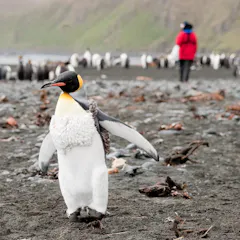
The federal government’s actions could leave the island’s wildlife more vulnerable to H5N1.
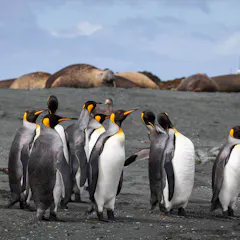
Understanding the true magnitude of the current H5N1 outbreak is key to curbing its spread.
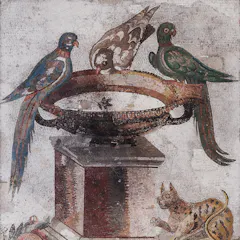
Greek and Roman writers were already asking how birds became sick, what signs to look for, and what could be done when disease appeared in them.
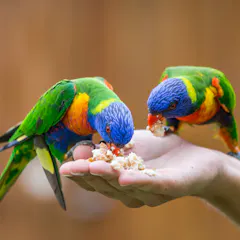
This seemingly harmless hobby could accelerate the spread of the deadly H5N1 strain.
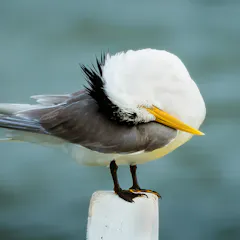
Australia’s response to this deadly bird flu outbreak has been insufficient and too reactive.
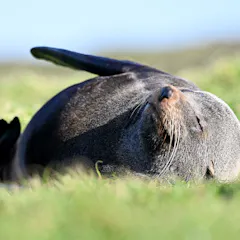
The Beachport seal is one animal – for now. But this virus has already shown us what can happen next. Australia should use that warning while we still have time.
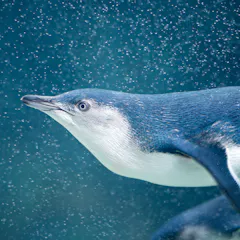
Little penguins are flightless and return at night to the same burrow, making it easier to capture and vaccinate them.

With H5N1 now in New Zealand, protecting the most threatened birds will involve difficult decisions, careful prioritisation – and sometimes chance.
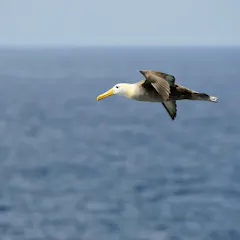
Grief is an understandable response to witnessing harm to places and species that matter to us.
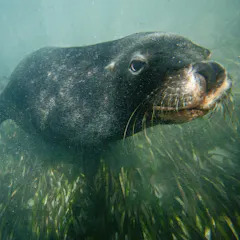
We should not wait for perfect certainty. It’s time to act before catastrophe.
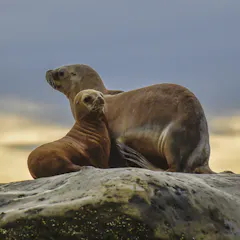
An expert explains why the H5N1 strain is such a threat to seals worldwide.
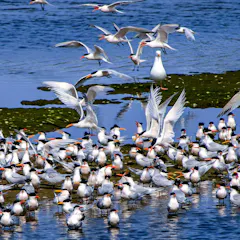
We cannot stop wild birds from flying. But we can control whether this becomes an unmanaged catastrophe or a closely tracked outbreak.
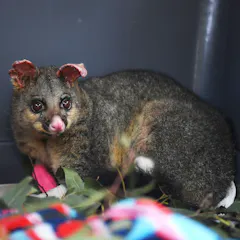
Helping distressed wildlife without seeking advice may sometimes do more harm than good – as two experts explain.
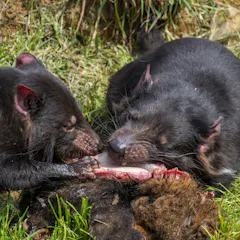
Animals that feed on infected carcasses could be accelerating the spread of the H5N1 strain.
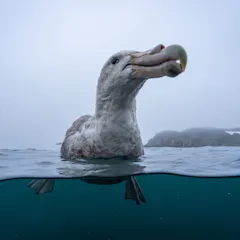
Another apparent case of H5 avian influenza in a wild bird is a cause for concern – but it’s not the same as an outbreak.
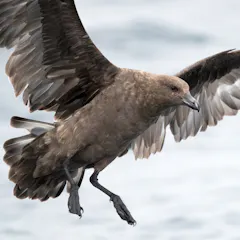
This is not the moment to call defeat. There is a chance we can stop this infectious virus, this time at least.

This latest trial hopes to test the vaccine in people who are most at risk of acquiring bird flu.
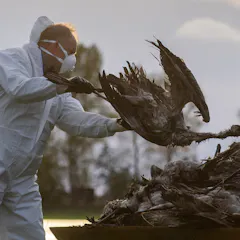
Bird flu is spreading globally and getting closer to New Zealand. Its arrival may be a matter of when, not if – and the risks are significant.
Top contributors
-

Senior Lecturer in Southern Ocean Vertebrate Ecology, Institute for Marine and Antarctic Studies, University of Tasmania
-
Senior research fellow, The University of Melbourne
-
Anthropologie, EHESS, CNRS, Laboratoire d'anthropologie sociale, Collège de France, Auteurs historiques The Conversation France
-
Professor and Webster Family Chair in Viral Pathogenesis, University of Otago
-
Professor, MRC-University of Glasgow Centre for Virus Research, University of Glasgow
-
Catedrático de Microbiología. Miembro de la Sociedad Española de Microbiología (SEM), Universidad de Navarra
-
Professor of Immunology and Associate Dean, Research and Graduate Studies, University of Guelph
-
Associate Professor of Biodiversity and Ecosystem Management, University of Leeds
-
Assistant Professor (McGill University - Animal Sciences), Adjunct Professor (University of Guelph - OVC), University of Guelph
-
Associate Professor of Veterinary Medicine, Iowa State University
-
Professor of Global Biosecurity, NHMRC L3 Research Fellow, Head, Biosecurity Program, Kirby Institute, UNSW
-
Associate Research Professor of Food Science, Penn State
-
Executive Director, Global Nexus and M.G. DeGroote Institute for Infectious Disease Research, McMaster University
-
Professor and Tier 1 Canada Research Chair in Global Health Governance; Scientific Co-Director, Bridge Research Consortium, Simon Fraser University
-
Public Health Pathology, NSW Health Pathology, Westmead Hospital and University of Sydney, University of Sydney