

Many of us don’t get an adequate amount of nutrients.
Articles on Obesity
Displaying 261 - 280 of 865 articles
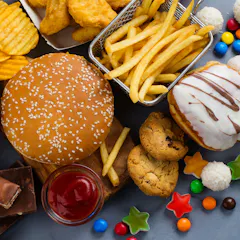
Governments often blame citizens for social outcomes which are the result of their own policies.
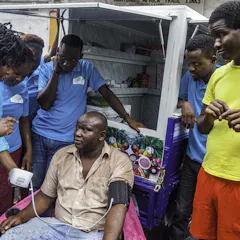
Cardiovascular risk factors like diabetes and hypertension are preventable or relatively easy to treat with inexpensive medication.

Public health education campaigns disregard economic factors.

We’ve discovered a new protein produced by the liver, and found it helps control blood sugar levels in mice. This could revolutionise the way we treat type 2 diabetes in the future.

Abnormal functioning of the immune system is what characterises severe COVID, and can be driven by diabetes, obesity, sex and age.

The food and beverage industry is increasingly involved in the policymaking process.

New Canadian clinical practice guidelines for obesity aim to help reduce the prevalence and impact of weight bias and stigma in clinical care, and also encourage the public to advocate for change.

The most effective strategy for reducing obesity will be tailored to each individual.

The human body is built to adapt to the sudden stress of overeating.

The food industry’s tactics are designed to reduce the likelihood of the government adopting global recommendations to tackle obesity.

BMI categories don’t give us a full picture of a person’s health risk.

But the taxes have to be well-designed to avoid being overly regressive and targeting the poor.

South Africa faces high levels of noncommunicable diseases such as diabetes and hypertension. The NHI is likely to battle to cope with treating large numbers of sick people.

In mice, we found that drugs developed to treat Alzheimer’s Disease could be re-purposed to prevent, or even reverse, the blood vessel damage caused by obesity and type 2 diabetes.

The disease is more severe in people with obesity, diabetes and hypertension — all conditions linked to changes in the gut microbiome.

There is no perfect diet that works for everyone.
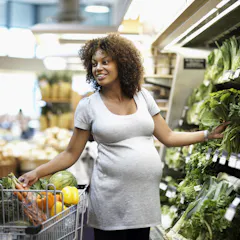
Two thirds of South African women are overweight or obese and their babies are three times more likely to become obese themselves.

When two or more epidemics co-exist and compound one another to worsen health, they are said to be syndemic. COVID-19 is feeding on other crises and diseases.
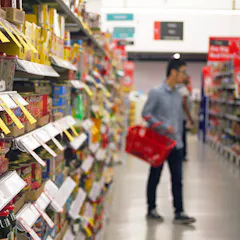
We surveyed over 100 Coles, Woolworths, Aldi and independent stores around Australia and found supermarkets are promoting unhealthy food much more often, and more prominently, than healthier products.
Top contributors
-

Professor of Public Health Policy, Deakin University
-
Professor of Health Psychology, University of Surrey
-
Laureate Professor in Nutrition and Dietetics, University of Newcastle
-
Clinical Trials Director, Department of Endocrinology, RPA Hospital, University of Sydney
-
Associate Professor, Deakin University
-
Associate Professor, Melbourne School of Population and Global Health, The University of Melbourne
-
Professor Epidemiology & Equity in Public Health & Director, Institute Health Transformation, Deakin University
-
Professor of Health Sciences, Adelaide University
-
Professor and Programme Director, SA MRC Centre for Health Economics and Decision Science - PRICELESS SA (Priority Cost Effective Lessons in Systems Strengthening South Africa), University of the Witwatersrand
-
Professor of Public Health, Griffith University
-
Professor of Genetic Epidemiology, King's College London
-
Professor of Medicine, The University of Melbourne
-
Co-Director, Global Centre for Preventive Health and Nutrition, Deakin University
-
Senior Fellow, Faculty of Medicine, Dentistry and Health Sciences, The University of Melbourne
-
D.Phil. Candidate in Population Health, University of Oxford