

A study of over 1,000 children in rural Oklahoma found that social and emotional health may be just as important as diet and exercise in reducing child obesity.
Articles on Obesity
Displaying 221 - 240 of 865 articles
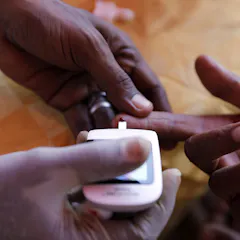
Targets for diabetes would improve healthy lives, reduce deaths, and be cost effective. But they should not be for managing diabetes alone; they must include treating hypertension.

The hidden costs of industrial food production include immense health and environmental impacts. These include millions of deaths, climate change, pollution and biodiversity loss.

Eating more than your metabolism burns is likely to cause you to gain weight.

During the pandemic, Australians have been using food delivery apps more than ever. We’ve assessed how healthy the options available to us are — and the news isn’t good.

Brits have gained weight during the pandemic, but historically diets alone have not created better health.

Our new research found some deals provided an astonishing 90% of the average recommended daily energy intake for adults.

We developed a healthy lunchbox program. Here, we provide parents with ideas for swapping unhealthy foods kids might like to healthier ones comparable on cost, taste, texture and preparation time.

South Africa needs a public health response that expands the successes of the country’s HIV testing and treatment programme to provide care for multiple diseases.

Unhealthy foods are readily available and heavily marketed to us, especially at supermarkets.

The evidence is clear: a tax on sugary drinks would reduce consumption. All that’s needed is political leadership that prioritises health above the profits.

Our research found personalised nutrition advice, compared to usual dietary advice, helped adults to eat healthier.

As the global South transitions to a predominantly urban future, food offers a way to understand the role of cities in future development.

Negative attitudes about people with larger body sizes or higher weight are consistent across Australia, Canada, France, Germany, the UK and the US.

Evolutionary medicine uses our ancestral history to explain disease prevalence and inform care for conditions like Type 2 diabetes. It also challenges the bio-ethnocentrism of western medicine.

A ban on sugary drinks sale and advertisements in schools is likely to hold more promise in improving the diets of children and help prevent obesity in children than voluntary actions.

The public and the media need to be careful not to jump to conclusions when assessing new research.

Governments must take urgent action to prevent noncommunicable diseases from becoming an uncontrollable epidemic in sub-Saharan Africa. Sugar-sweetened beverage taxation offers a potential solution.

Without reliable, local and timely data, countries will miss the potential of sugar-sweetened beverage taxation as a public health intervention.

Rwanda’s food policies focus on production to make sure people have livelihoods and enough nutritious food. Not much attention is given to overnutrition.
Top contributors
-

Professor of Public Health Policy, Deakin University
-
Professor of Health Psychology, University of Surrey
-
Laureate Professor in Nutrition and Dietetics, University of Newcastle
-
Clinical Trials Director, Department of Endocrinology, RPA Hospital, University of Sydney
-
Associate Professor, Deakin University
-
Associate Professor, Melbourne School of Population and Global Health, The University of Melbourne
-
Professor Epidemiology & Equity in Public Health & Director, Institute Health Transformation, Deakin University
-
Professor of Health Sciences, Adelaide University
-
Professor and Programme Director, SA MRC Centre for Health Economics and Decision Science - PRICELESS SA (Priority Cost Effective Lessons in Systems Strengthening South Africa), University of the Witwatersrand
-
Professor of Public Health, Griffith University
-
Professor of Genetic Epidemiology, King's College London
-
Professor of Medicine, The University of Melbourne
-
Co-Director, Global Centre for Preventive Health and Nutrition, Deakin University
-
Senior Fellow, Faculty of Medicine, Dentistry and Health Sciences, The University of Melbourne
-
D.Phil. Candidate in Population Health, University of Oxford