

A lack of food is not the only cause of malnutrition. Poverty, disease, poor sanitation, climate pressures and limited access to healthcare also shape it.
Articles on Childhood obesity
Displaying 1 - 20 of 126 articles
New regulations target the product but not the brand.

Children are considered lucrative consumers of food. They need protection against misleading health labels.

New research shows kids with more positive experiences – from stable routines to enriching social activities – were significantly less likely to be obese by age eight.

If obesity trends continue on the current trajectory, more than 80% of US adults will be overweight or obese.

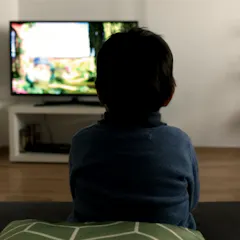
New research finds excessive screen time is associated with childhood obesity. But by limiting a toddler’s time in front of the TV or on other screens, parents can help reduce the risks.

It’s important to help our kids maintain a healthy weight. But sometimes well-intentioned interventions can cause more harm than good.

Not all children with high weight will have health consequences. But if your child experiences headaches, trouble sleeping or joint pain, it might be time to see your GP.

People with diabetes are about twice as likely to become seriously ill with COVID-19 compared with those who don’t have diabetes.
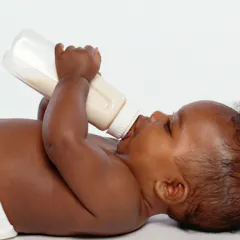
Obesity among children is a growing problem in Africa.
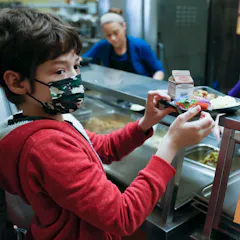
Since nutrition standards were strengthened in 2010, eating at school provides many students with healthier food than is available cheaply elsewhere. Plus, reducing stigma increases the number of kids getting fed.

Obese children outnumber underweight ones globally, and ‘social determinants’ in kids’ lived environments play a fundamental role. Obesity in kids can lead to a lifetime of poor health.

Access to swimming in the UK has been hit by COVID and the cost of living crisis and that has consequences for children and young people.
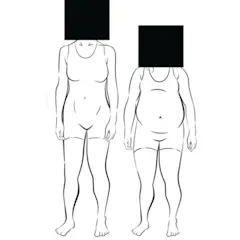
While excess weight arises from a complex interplay of genes, environment, diet and activity, new research finds Americans hold parents responsible for excess weight in their kids.

The emotional stress of growing up in a poor household may contribute to obesity.

A new report predicts child obesity could reduce Australian life expectancy by more than four years. Here’s why you should be a little skeptical.
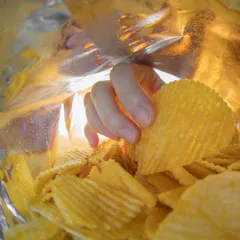
We wanted to find a way to reduce how much children snack on foods high in fat, salt and sugar.

Child malnutrition is no stranger to high-income countries. In Canada and the U.S., food insecurity affects one in six children under 18, but policies to address the issue are still lacking.

Whether it’s a special treat or family traits, children’s risk of being overweight or obese is strongly linked to their grandparents.

Rates of obesity and eating disorders like anorexia and bulimia both surged among young people over the past two years. Scholars explain why, and how parents can support kids dealing with body shame.
Top contributors
-

Professor of Health Psychology, University of Surrey
-
Associate Professor in Health Education, University of Auckland, Waipapa Taumata Rau
-
Professor of Health Sciences, Adelaide University
-
Professor, Discipline of Child and Adolescent Health, University of Sydney
-
Associate Professor, Melbourne School of Population and Global Health, The University of Melbourne
-
Adjunct Senior Research Fellow, Adelaide University
-
Research Officer at Medical School, Swansea University
-
Associate professor, Queensland University of Technology
-
Professor of Law, University of Liverpool
-
Professor Epidemiology & Equity in Public Health & Director, Institute Health Transformation, Deakin University
-
Professor and Programme Director, SA MRC Centre for Health Economics and Decision Science - PRICELESS SA (Priority Cost Effective Lessons in Systems Strengthening South Africa), University of the Witwatersrand
-
Associate Professor, School of Public Health, University of the Witwatersrand
-
Professor of Human Development and Family Science, Oklahoma State University
-
University of Chester
-
Associate Professor in Obesity, UCL