

A person with Tourette syndrome who holds back their tics may look fine, but keeping these involuntary urges contained can be draining.
Articles on Neurological diseases
Displaying 1 - 20 of 25 articles

Millions of people suffer from debilitating symptoms their doctors don’t quite believe. But advances in neuroscience and education may be changing the tides for treatment.

Parkinson’s disease doesn’t only mean a tremor and falls. It can cause insomnia, memory issues and impulsive behaviour. And it affects men and women differently.

Kennedy is one of about 50,000 Americans who have spasmodic dysphonia.
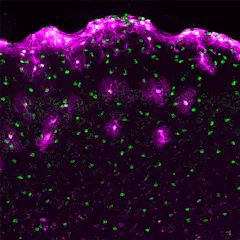
The transplantation of astrocytes — a type of brain cell as common as neurons — may provide hope of treatments or cures of some neurodegenerative disorders.

A new study finds Australian welders are being exposed to high levels of potentially carcinogenic fumes. We must do more to protect them.

Even small increases in temperature can stop our brains from functioning optimally.
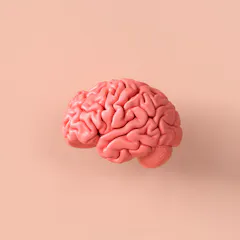
The brain was once thought to be sterile, thanks to the blood-brain barrier. But scientists are beginning to question this.

A loss of visual sensitivity could be an early predictor of dementia.

Although the US banned lead-based paint in 1978, homes built before then commonly contain lead paint.
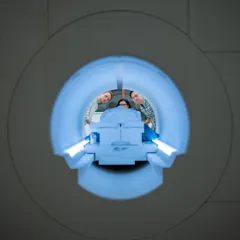
As Elon Musk’s Neuralink begins inserting chips into human brains, we trace the history of ‘mind reading’ technology and assess the potential risks and rewards
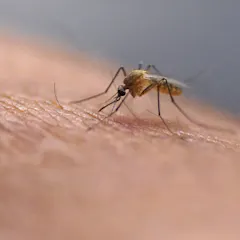
West Nile virus arrived in North America in 1999 and spread across the continent by 2005. Here’s what you need to know about this mosquito-borne pathogen.
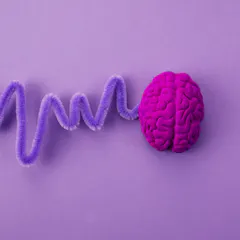
Most of us have heard of epilepsy. Lesser known to the public is that seizures can lead to an uncommon but fatal complication known as sudden unexpected death in epilepsy.

A THC-like substance that occurs naturally in humans and other vertebrates helps maintain immunity, memory, nerve function and more – and research suggests a lack of it can harm health.

Women are twice as likely to have a chronic, more severe form of cluster headache compared to men.
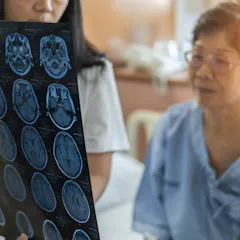
An 18-month treatment with lecanemab slows functional and cognitive loss by 27 per cent in people with mild Alzheimer’s disease. But this is only the first step towards a real cure.

Although there is no cure for this disorder, there are treatments that can help alleviate symptoms.

Food allergies have been linked to behavioral and mood disorders, including depression, anxiety and ADHD.

People who had COVID were 55% more likely to develop epilepsy or seizures over the next six months than people who had influenza – but the overall risk is still small.

Clues that a person is at risk of developing Parkinson’s disease can start 20 years before movement problems begin.
Top contributors
-

Associate Professor of Neuroscience, Karolinska Institutet
-
Assistant Professor of Health Physics, Purdue University
-
Assistant Professor of Neurology, University of Florida
-
Researcher, Department of Neuroscience, Karolinska Institutet
-
Professeur, Université Laval
-
Étudiant au doctorat en psychologie, Université du Québec à Montréal (UQAM)
-
Research Associate, Neuroscience, McGill University
-
Postdoctoral Fellow in Neuroscience, McGill University
-
Research Fellow, Monash University
-
Clinical Professor, Department of Pathology and Laboratory Medicine, University of British Columbia
-
PhD Candidate in Neural Engineering, University of Washington
-
Professor of Pathology, Microbiology and Immunology, University of South Carolina
-
Research Associate, Dementia, University of Oxford
-
Associate Professor, Ageing and Movement Disorders, University of Bristol
-
Assistant Professor of Neurology, University of Florida