

A person with Tourette syndrome who holds back their tics may look fine, but keeping these involuntary urges contained can be draining.
Articles on Neurological disorders
Displaying 1 - 20 of 23 articles
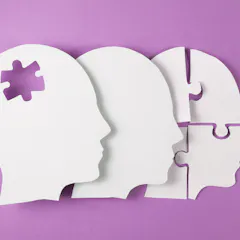
Millions of people suffer from debilitating symptoms their doctors don’t quite believe. But advances in neuroscience and education may be changing the tides for treatment.

Singing in a choir helps people regain their voice and reduces social isolation and the sense of loss that often follows diagnosis with a brain condition.
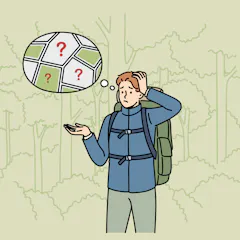
The condition is more than merely being bad with directions.
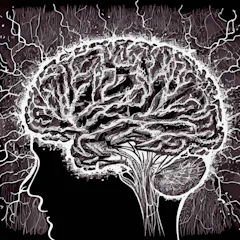
Functional neurological disorder can be hard to distinguish from other conditions. Some patients feel misunderstood and their symptoms dismissed.

Toxic leukoencephalopathy is when the brain’s white matter is damaged. It is often deadly.

Humans can spontaneously fall into rhythms with precision, and across a wide range of tempos. This may be because the same neurological processes that anticipate rhythm are involved with movement.

Although there is no cure for this disorder, there are treatments that can help alleviate symptoms.

Stuttering is a complex neurodevelopmental disorder that affects about 1 in 100 people across the world. Yet the precise biological pathways that underlie stuttering are not well understood.

Dion pulls out of her upcoming Europe tour after delivering devastating news to her fans about her health.

People who get COVID continue to face increased risks of developing some neurological and psychiatric conditions, like psychosis and dementia, for up to two years afterwards.
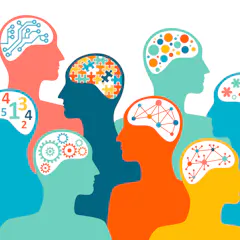
Existing brain connections may influence the effectiveness of neurostimulation. Tailoring treatments to each individual brain could expand the number of conditions brain stimulation can treat.
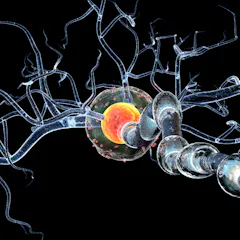
As if the symptoms of COVID-19 were not disturbing enough, physicians have noted a rare neurological condition that emerges during some severe cases of this viral infection.
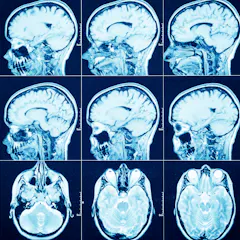
One way the novel coronavirus might enter the brain is through the olfactory nerves in the nose.
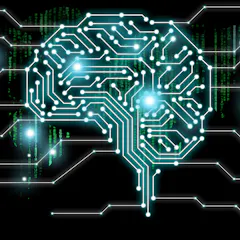
Biological research can inspire technological innovation. Also, software that models computer networks can inform health care for patients with neurological disorders.

More than 16 million people in the U.S. take care of people with dementia. Could we learn something from how other cultures view dementia as more of a social disease rather than a lonely one?
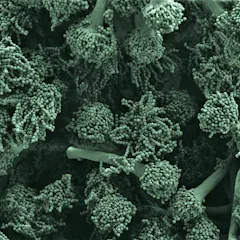
Fungi perform a vital role in the biological cycle, but pose an increasing danger to human health – invasive fungal infections kill three times more people than malaria.
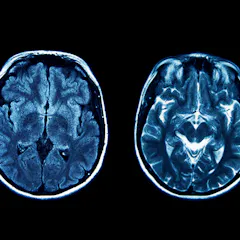
Antisense therapy showed promising results in a first-in-human trial for Huntington’s disease.

There’s more to Tourette syndrome than swearing and shouting. Over the last several years, many life-altering treatments of this tic disorder have become available to patients and their families.
The blood-brain barrier helps protect the brain, but it also creates difficulties in treating brain disorders. Ultrasound may offer a safe way to more effectively deliver therapies.
Top contributors
-

Professor of Neurology, Norman Fixel Institute, University of Florida
-
Professor, University of Florida
-
Medical student, Indiana University
-
Director, Clem Jones Centre for Ageing Dementia Research, The University of Queensland
-
Professor of Neuroscience, Royal Veterinary College
-
Paediatric neurosurgeon, University of Cape Town
-
6th Century Chair in Immunology, Director, MRC Centre for Medical Mycology, University of Aberdeen
-
Assistant Professor of Psychology/Neuroscience/Behavior, McMaster University
-
PhD Candidate in Neural Engineering, University of Washington
-
Honorary Senior Lecturer in Virology and President of Research-Aid Networks, University of Kent
-
PhD Candidate in Speech Pathology, University of Minnesota
-
Assistant Professor of Neurology, University of Florida
-
Professor of Psychiatry, University of Oxford
-
Professor of Neuropharmacology, University of Lancashire
-
Research Fellow, The University of Western Australia