

A person with Tourette syndrome who holds back their tics may look fine, but keeping these involuntary urges contained can be draining.
Articles on Neurological conditions
Displaying all articles

RFK Jr. has a dead tapeworm in his brain.

Although the US banned lead-based paint in 1978, homes built before then commonly contain lead paint.
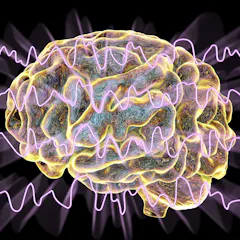
What do we know so far about this promising form of treatment and how it might help people with a range of neurological conditions? And is it living up to its promise for people with depression?
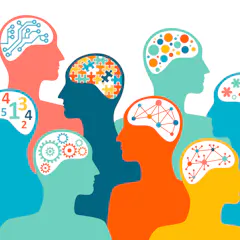
Existing brain connections may influence the effectiveness of neurostimulation. Tailoring treatments to each individual brain could expand the number of conditions brain stimulation can treat.

A new study finds that the cognitive loss from severe COVID is the same as losing 10 IQ points.
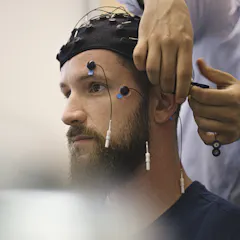
COVID-19 is not just a respiratory disease. Its neurocognitive symptoms are not well defined yet, so assessment is key to understanding the effects of coronavirus on the brain.
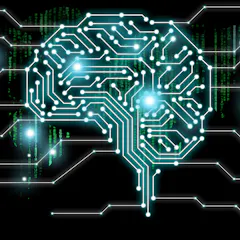
Biological research can inspire technological innovation. Also, software that models computer networks can inform health care for patients with neurological disorders.
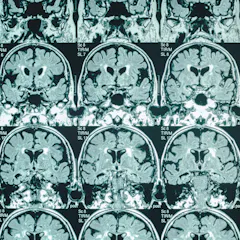
The Trump administration has banned NIH researchers from using fetal tissue. The tissue is an essential tool for scientists investigating diseases ranging from Alzheimer’s to Zika virus infections.

Being inattentive and unable to focus rather than disruptive means that ADHD in girls is going undiagnosed.
Epilepsy affects around 70 million people globally, 80% live in developing countries. A shortage of specialists, equipment and drugs complicates effective treatment and management.
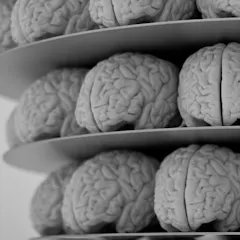
The blood-brain barrier helps protect the brain, but it also creates difficulties in treating brain disorders. Ultrasound may offer a safe way to more effectively deliver therapies.
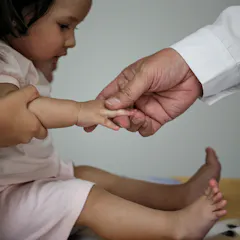
Dravet syndrome, first identified by French psychiatrist and epileptologist Charlotte Dravet over 30 years ago, is severe pediatric epilepsy.
Gene mutation associated with schizophrenia could have implications for other developmental disorders.
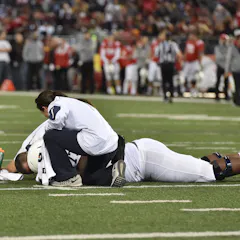
The link between concussion and irreversible brain injury is particularly troubling, especially given the dominance of Australia’s contact sporting culture.

Much research has been focused on finding a non-invasive way to measure pressure in the brain, which is an important part of accurately diagnosing neurosurgical conditions.

Saying someone has epilepsy is a little like saying they’re ill. Its cause can vary from a brain tumour to an inherited genetic condition, the consequence of injury or a disorder affecting the brain.
Top contributors
-

PhD Candidate in Social, Genetic and Developmental Psychiatry, King's College London
-
Associate professor and Royal Society Research Fellow, Department of Psychiatry, University of Oxford
-
Paediatric neurosurgeon, University of Cape Town
-
Senior Deputy Director, Florey, Neurologist Austin Health, Florey Institute of Neuroscience and Mental Health
-
Director, Clem Jones Centre for Ageing Dementia Research, The University of Queensland
-
NHMRC Principal Research Fellow, Professor, and Group Leader, Institute for Molecular Bioscience, The University of Queensland
-
Postdoctoral research student, KEMRI-Wellcome Trust Research Programme, Kenya Medical Research Institute
-
Neuroscientist, The University of Queensland
-
NHMRC CJ Martin Fellow, King Group, Division of Chemistry & Structural Biology, Institute for Molecular Bioscience, The University of Queensland
-
Professor of Electrical Engineering and Bioengineering, Tau Beta Pi Eminent Engineer, University of South Florida
-
Director School of Medicine and Psychology, Australian National University
-
Professor of Pediatrics, University of Pittsburgh
-
Assistant Professor of Bioengineering, and Electrical and Computer Engineering, University of Washington
-
Professor of Anatomy, Lancaster University
-
Professor, Head of Division of Anaesthesia, University of Cambridge