
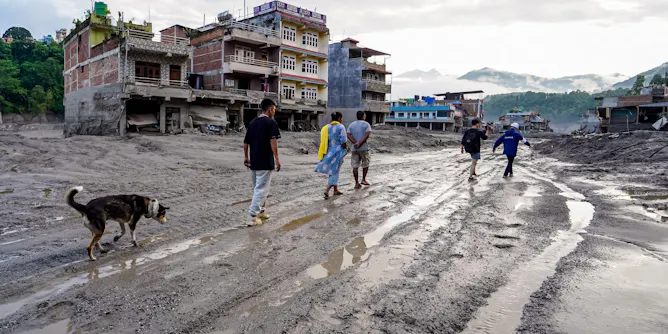
How do you warn people downstream about fast-moving hazards that can change form and cross borders?
Articles on Natural hazards
Displaying 1 - 20 of 43 articles

Underwater sound signals created by 2022’s enormous Hunga eruption have pointed scientists to a new way to warn people of unpredictable volcanic tsunamis.

AI models could spot volcanic eruptions earlier – and new research says the lives saved make the occasional false alarm worth the price.

From scary headlines to recycled eruption videos, new research reveals how common misconceptions can fuel misinformation about volcanoes.
Landslide risk is rising as extreme rainfall intensifies. New tools using satellite data and AI can help map where failures are most likely.
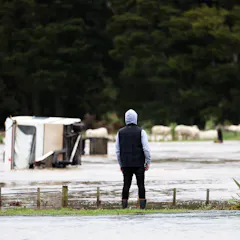
Post-disaster reviews show NZ repeats the same warnings. Breaking the cycle means stronger laws, clearer responsibilities and greater funding.
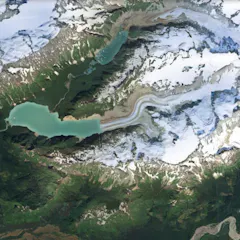
Scientists mapped the evolution of 140 glacial lakes in Alaska and found a way to tell how much larger and destructive they can get as their glaciers melt.
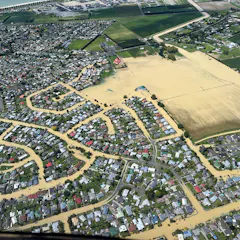
Rising premiums and insurer retreat reflect deeper shifts in risk – and strain on a system built for a different era.
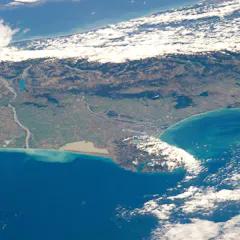
Satellite remote sensing allows rapid, detailed disaster response and planning. But the rules governing who controls and has access to the data aren’t keeping up.
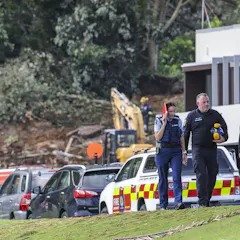
After a series of extreme weather events over the past month, NZ has been reminded that disasters aren’t just acts of nature.

As heavier rain raises landslide risk, gaps in data, law and funding leave New Zealand relying on response rather than prevention.

Scientists can warn of a risk of floods days in advance. But forecasts often aren’t definitive enough to trigger action.
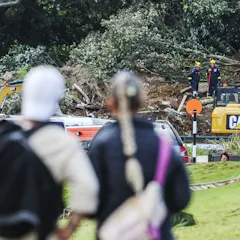
After the fatal landslides at Mount Maunganui, attention has focused on recent tree removal from Mauao. But landslides rarely have simple causes.
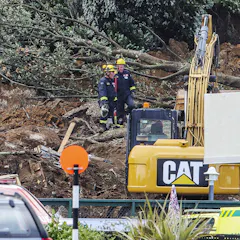
Tragic slips in the Bay of Plenty highlight how geology, heavy rainfall and climate change are combining to amplify a largely hidden risk.
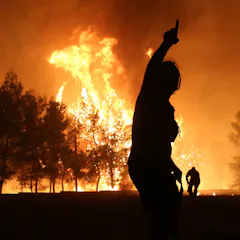
Fire-scorched land is less able to handle climate-driven downpours.

Managed retreat can be traumatic and hard. But with good planning, the land left behind can serve new purposes, and make public what was once private.
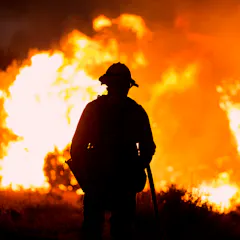
Private firefighters in affluent LA neighbourhoods are a sign of an increasingly privatised response to disasters.
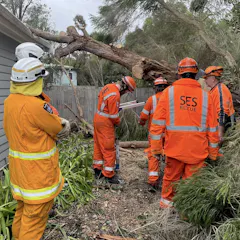
As Australia’s south-east states reel from intense winds, many of us wonder if the trees near us are safe.
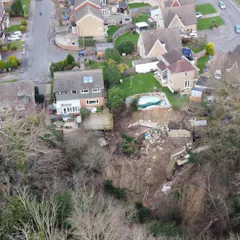
The climate policies I research aren’t working – as I found out the hard way.
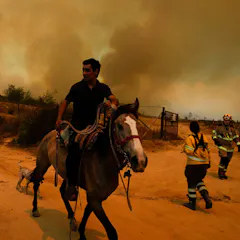
This was no ‘natural disaster’. There are lessons to learn from areas that survived the fires.
Top contributors
-

Professor of Applied Geology, University of Auckland, Waipapa Taumata Rau
-
Professor of Earth Sciences, University of Auckland, Waipapa Taumata Rau
-
Professor in Civil and Environmental Engineering, University of Canterbury
-
Professor of Environmental Planning, University of Waikato
-
Disaster Risk Expert, University of Reading
-
Principal Investigator FiRES Project (SNSF Consolidator Grant), ETH Zürich, Switzerland // Honorary Associate Professor, University of Wollongong, Australia.
-
Honorary Research Fellow, La Trobe University
-
Professor, Department of Civil Engineering, Queen's University, Ontario
-
Associate Professor of Civil Engineering, University of Florida
-
Adjunct Associate Professor in Engineering, Monash University
-
Senior Research Scientist, University of Maryland, Baltimore County
-
Honorary Associate Professor of Climate Science, The University of Melbourne
-
Senior Lecturer in Sustainable and Resilient Urbanism, Loughborough University
-
Senior Research Fellow, SPRU, University of Sussex Business School, University of Sussex
-
Research Fellow, Centre for Urban Research, RMIT University