
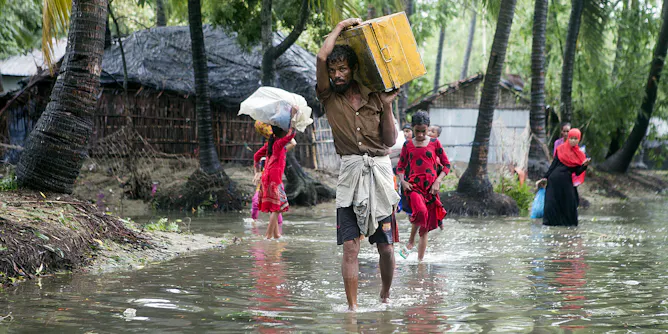
We rarely see good news headlines when a cyclone, earthquake or wildfire does not turn disastrous.
Articles on Natural hazards
Displaying 21 - 40 of 43 articles
Satellites can detect land moving by just a few millimetres, but we can never be sure exactly how or when a slope will slide.
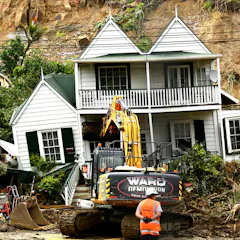
Some New Zealand universities have proposed staff and course cuts in earth sciences. This could leave the country ill prepared to deal with natural hazards and extreme weather.
Rip currents are one of the great dangers of Australian beaches. We can learn a lot about avoiding and escaping this natural hazard by asking survivors what being caught in a rip is really like.
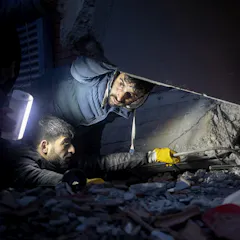
At least 1,700 people are thought to have died.

Natural disasters cause billions in damage to ports around the world each year.
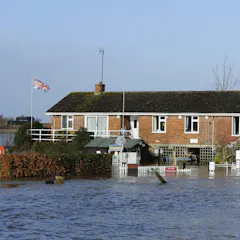
Six things you can do to help keep you and your home safe.
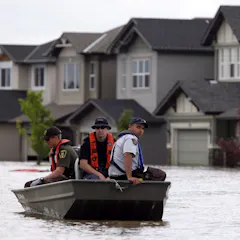
Many cities continue to allow developers to build homes in areas that have a high risk of flooding.
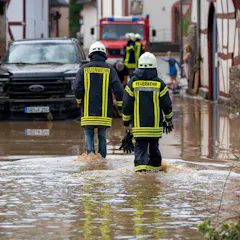
Catastrophic floods in north-western Europe have shown how badly early warning systems can fail.
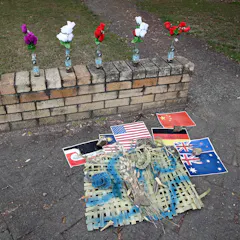
One of the lessons we must take from the Whakaari tragedy is the cumulative nature of risk. Repeated visits to the volcanic island by tour guides placed them near unacceptable risk limits.
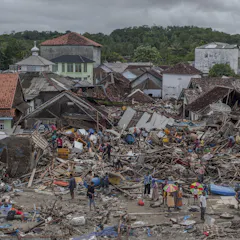
Massive landslides can trigger destructive and deadly tsunamis, and climate change could make them worse.
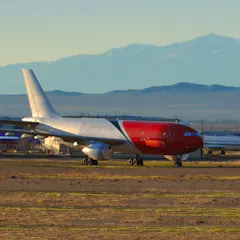
More than one million weather observations were made by aircraft each day in 2019. Since the pandemic started, these have dropped by 90%.
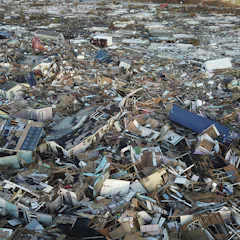
It’s now officially the end of hurricane season, but the rebuilding of the Bahamas continues, slowed by the risks imposed by a history of colonialism and class division.
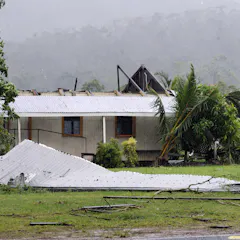
Most homes are not as cyclone-ready as they could be. It seems lower insurance premiums aren’t enough of an incentive for owners to upgrade their homes, but a new study points to some solutions.
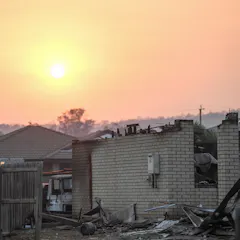
Land-use planning should give more weight to the increasing risks of natural hazards like bushfires as the first step in reducing the impacts.
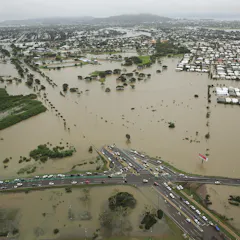
Disaster information needs to come from all sections of a community at risk, and we need to leave nobody marginalised.
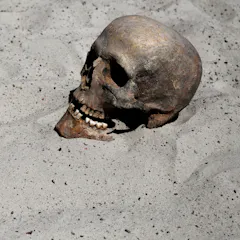
An expert responds to a teenager who wants to know – is there any hope for humanity’s future?

With heatwaves, droughts and fires all on the rise, the federal government is urged to merge its separate strategies on disaster resilience and climate readiness.
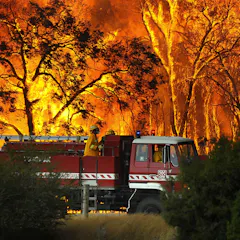
Black Saturday in 2009 was Australia’s worst bushfire tragedy. But climate projections predict more bushfire danger in the future, threatening our water supplies as well as homes.
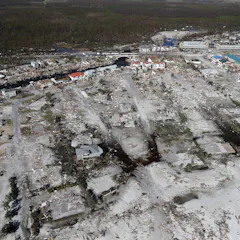
Government agencies spend millions of dollars yearly to buy and demolish homes sited in floodplains. But the program is slow, cumbersome and doesn’t always help those who need it most.
Top contributors
-

Professor of Applied Geology, University of Auckland, Waipapa Taumata Rau
-
Professor of Earth Sciences, University of Auckland, Waipapa Taumata Rau
-
Professor in Civil and Environmental Engineering, University of Canterbury
-
Professor of Environmental Planning, University of Waikato
-
Disaster Risk Expert, University of Reading
-
Principal Investigator FiRES Project (SNSF Consolidator Grant), ETH Zürich, Switzerland // Honorary Associate Professor, University of Wollongong, Australia.
-
Honorary Research Fellow, La Trobe University
-
Professor, Department of Civil Engineering, Queen's University, Ontario
-
Associate Professor of Civil Engineering, University of Florida
-
Adjunct Associate Professor in Engineering, Monash University
-
Senior Research Scientist, University of Maryland, Baltimore County
-
Honorary Associate Professor of Climate Science, The University of Melbourne
-
Senior Lecturer in Sustainable and Resilient Urbanism, Loughborough University
-
Senior Research Fellow, SPRU, University of Sussex Business School, University of Sussex
-
Research Fellow, Centre for Urban Research, RMIT University