
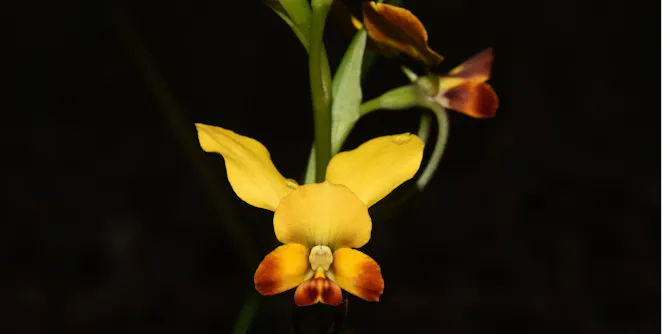
Orchids give nothing in return to pollinators, so how come they get visited by bees anyway? The answer is trickery and deceit.
Articles on Native species
Displaying 21 - 40 of 56 articles

The ways eastern fence lizards have changed in response to red imported fire ants demonstrate how species can adapt to survive the presence of invasive predators.
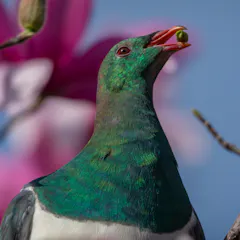
An overhaul of Aotearoa’s conservation laws could allow Māori to resume traditional harvesting practices of some native species.
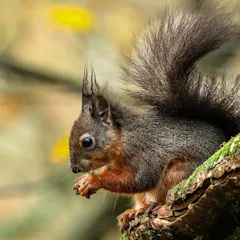
There is no single, straightforward way to safeguard the future of this native mammal at the moment – but here are some options

Greater gliders are fluffy, cat-sized possums with large ears. State governments have failed them at every turn, and continue to raze their habitat.
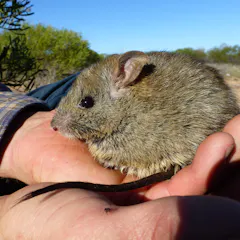
Researchers are in a race against time to learn about the female-oriented social structures of Australia’s small native rodents and marsupials.
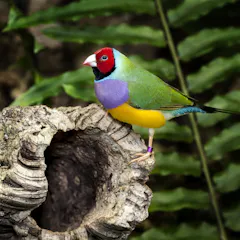
The goal of our new web app is to help users engage with their elected representatives and put imperilled species on the political agenda this election and beyond.
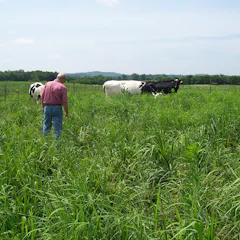
Growing native grasses as cattle forage is an example of working lands conservation – balancing human use of the land with conservation goals.
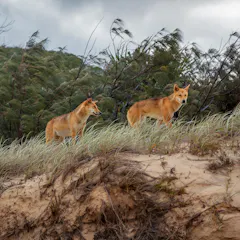
Dingoes have evolved under Australian conditions. That’s just one step in the path the iconic dog has taken to become native.

Introduced species that become invasive are clearly destructive, but many exotic species are not detrimental to the existing ecosystem – some become complementary or take on lost ecological roles.
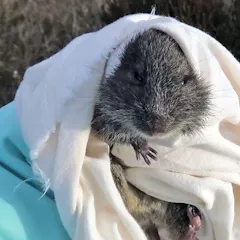
The broad-toothed rat rarely, if ever, gets its own story, so I want to introduce you properly to this fascinating, unique and beautiful species. It really needs our help.
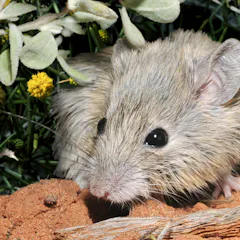
The remaining populations are threatened by a lack of genetic diversity, which makes them less likely to bounce back from new pressures such as climate change.
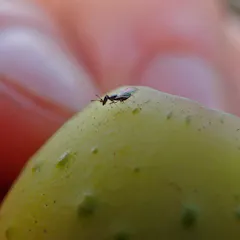
As invasive species transform the world, frontline agencies take solace that species needing unique partners can’t invade alone. A new study on figs shows they may find new partners to invade anyway.
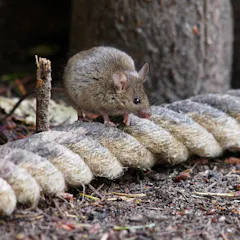
If all, or even most, offspring of the survivors are shy, we could be facing an introduced pest population that is incredibly difficult to remove.
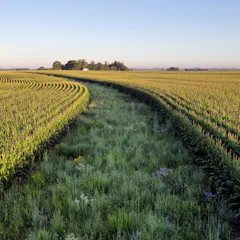
The Earth is losing plants and animals at rates not seen in millions of years. Ecologists explain how protecting habitat on working lands – farms, forests and ranches – can help conserve species.
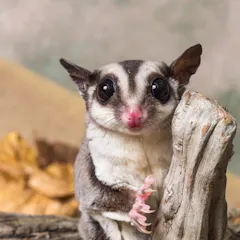
The sugar glider is an icon of the Australian bush. But discovering it’s actually three distinct species has big consequences for its conservation.
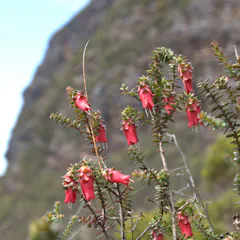
Three quarters of WA’s Stirling Ranges national park now experience fire cycles twice as frequent as species recovery rates.
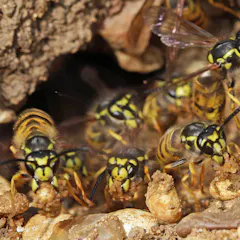
The invasive species was likely brought to Australia unintentionally by ship. Now found in every state and territory, the wasps are decimating our ecosystems.
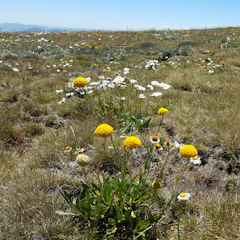
Expanding numbers of feral horses roaming the Australian Alps threaten the alp’s ecosystems, soils and unique species.
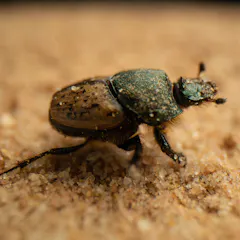
Wet and bulky cattle dung is very unlike marsupial dung that Australian dung beetles are adapted to deal with, meaning native dung beetles tend to leave it alone. But help from abroad is at hand.
Top contributors
-

Honorary Research Fellow, University of Sydney
-
Professor in Wildlife Ecology and Conservation, School of Life & Environmental Sciences, Deakin University
-
Professor in Terrestrial Ecology, Deakin University
-
Professor of Conservation Biology, School of Life and Environmental Sciences, University of Sydney
-
Associate Professor in Ancient DNA, University of Otago
-
Associate Professor, Global Ecology, University of Sydney
-
Postdoctoral Fellow in Ecology, University of Alberta
-
Professor of Conservation Biology, Charles Darwin University
-
Professor in Ecology, Charles Sturt University
-
Professor Emeritus in Terrestrial Ecology, University of Sydney
-
Professor of Wildlife Conservation, Australian National University
-
Professor of Ecology, Charles Darwin University
-
Professor of Environmental Science, Australian National University
-
Director of the Australian National Insect Collection, CSIRO
-
Associate Professor of Wildlife Health and Pathology, Charles Sturt University