
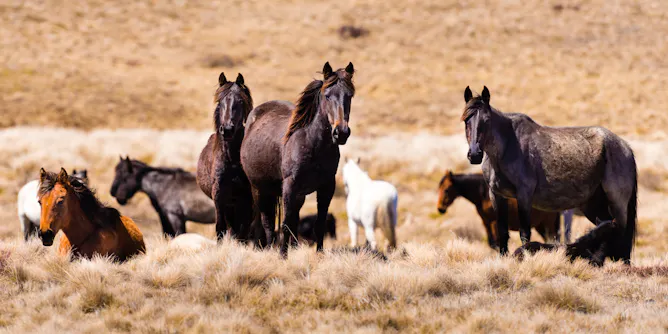
Rapid action is needed to reduce feral horse numbers before they cause more damage to native species.
Articles on Native species
Displaying 41 - 56 of 56 articles

Species counts drive conservation science and policy, yet a major component of biodiversity is excluded from the data: non-native species.
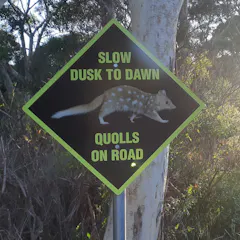
Rewilding is gaining popularity around the world, as a means to restore ecosystems to their ancient state. But just like Vegemite, Australian rewilding projects need to have a unique flavour.

The plan to kill 2 million feral cats nationwide by 2020 makes for good headlines. But it’s also a simplistic goal that won’t necessarily deliver conservation benefits to native species.
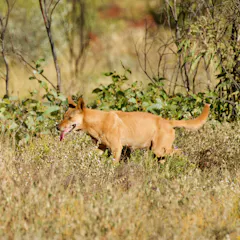
A survey of 32,000 samples of dingo droppings and stomach contents reveal that this predator’s appetite is as wide-ranging as Australia’s landscapes. But medium and large mammals are top of the menu.
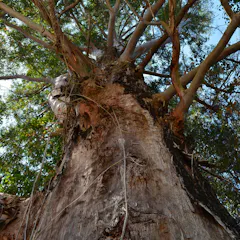
The ecological value of old trees is irreplaceable for native Australian fauna. Identifying and preserving these trees in cities through smarter planning strategies is important for local wildlife.

The average Australian feral cat kills 225 reptiles a year, which adds up to 596 million in total, according to a new estimate. Pet cats, meanwhile, kill a further 53 million.
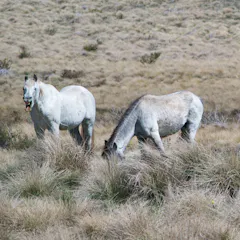
Failing to cull feral horses in Kosciuszko National Park may end up promoting environmental destruction while actually increasing the horses’ suffering.
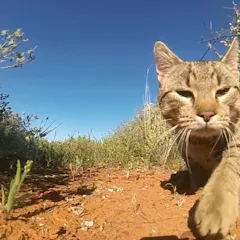
For the first time, researchers have estimated the toll taken by feral and pet cats on Australia’s bird life - and the numbers are high enough to push several species towards extinction.

Beeches are ‘non-native’ to Scotland because they got there less than 7,000 years ago. No, really.

Two recently emerging viruses in domestic pigeons in Australia may pose a significant threat to Australia’s 22 species of native pigeons and doves, many of which have crucial ecosystem roles.
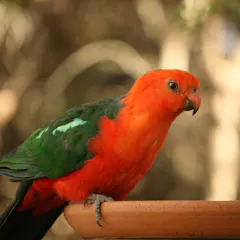
Is providing birds with food and water making them too dependent? Or are gardens just the new frontier of Australia’s urban landscape? New research aims to find out.
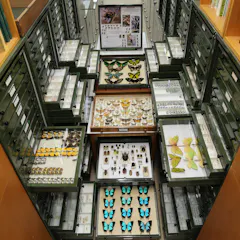
At least 100,000 insects are among the many Australian species still to be formally identified. That’s a problem for any biosecurity experts who need to be able to spot potentially invasive bugs.
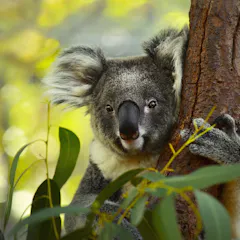
Computer modelling can help predict where a species will best survive, especially those affected by climate change.

A warming Earth could see invading species arrive in Antarctica via the floating “taxi service” of the sea. That could be a threat to the southern continent’s delicate ecosystem.
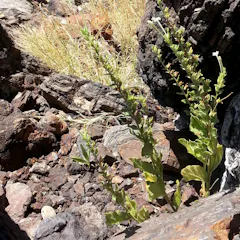
Australia’s risks losing its valuable native plants that could help solve a global food problem. So do we need new laws to stop the seeds being taken overseas?
Top contributors
-

Honorary Research Fellow, University of Sydney
-
Professor in Wildlife Ecology and Conservation, School of Life & Environmental Sciences, Deakin University
-
Professor in Terrestrial Ecology, Deakin University
-
Professor of Conservation Biology, School of Life and Environmental Sciences, University of Sydney
-
Associate Professor in Ancient DNA, University of Otago
-
Associate Professor, Global Ecology, University of Sydney
-
Postdoctoral Fellow in Ecology, University of Alberta
-
Professor of Conservation Biology, Charles Darwin University
-
Professor in Ecology, Charles Sturt University
-
Professor Emeritus in Terrestrial Ecology, University of Sydney
-
Professor of Wildlife Conservation, Australian National University
-
Professor of Ecology, Charles Darwin University
-
Professor of Environmental Science, Australian National University
-
Director of the Australian National Insect Collection, CSIRO
-
Associate Professor of Wildlife Health and Pathology, Charles Sturt University