
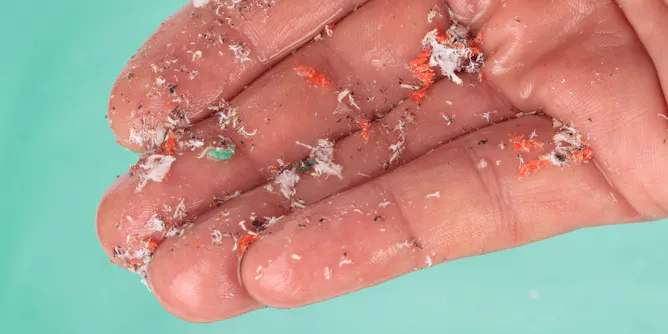
Cigarettes may act as an efficient delivery system for microplastic particles.
Articles on Nanoplastic
Displaying all articles
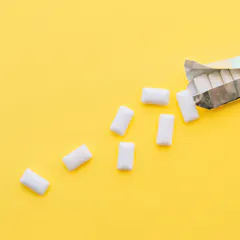
Natural and synthetic chewing gum release microplastics. But there is still no evidence that they cause harm.
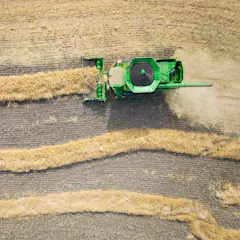
Without swift and effective action, composting may become an environmental crisis, rather than a solution.

Eight out of the 15 brains studied had microplastics in their olfactory bulbs.
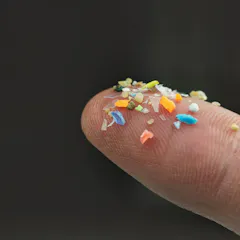
Global action is urgently needed to tackle microplastic – and the problem has never been more pressing.
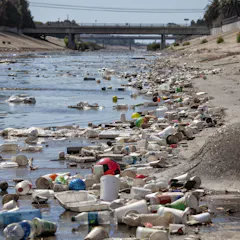
Better measuring standards, more responsibility for producers and an end to single-use products are all positive steps. But the US has not yet endorsed a cap on plastic production.
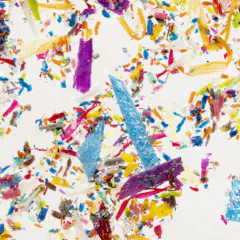
Nanoplastics have been found in the brain, lungs, arteries, semen and placenta. But the harms are still unknown.
Nanoplastics are the smallest microplastics, far narrower than a human hair. Very little is known about their composition, structure or how they break down in the environment.
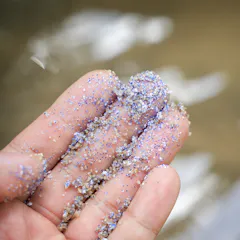
Microplastics are created when everyday products – including clothes, food and beverage packaging, home furnishings, plastic bags, toys and toiletries – degrade.
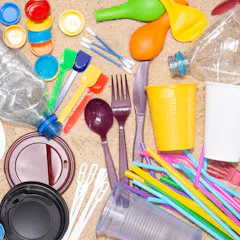
Alternative food containers, such as those made of bioplastics, are being promoted as a way to reduce our exposure to plastic in food. But there is still a lack of knowledge around their impacts.
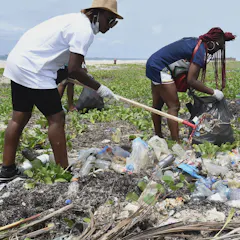
Nigeria generates 2.5 million tonnes of plastic waste yearly. Research and public enlightenment can help address the problem.
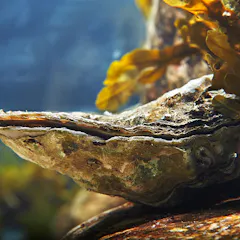
Nanoplastics and arsenic can affect some of the most basic functions of oysters.
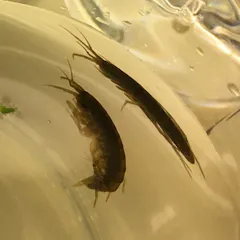
The discovery that such a common animal can rapidly produce vast numbers of nanoplastics is particularly worrying.
Top contributors
-

Professor of Animal Development, Leiden University
-
Postdoctoral Researcher at Leiden University, Associate Scientist II at Stowers Institute, Developmental Biology, Molecular Biology and Nanotoxicology, Leiden University
-
PhD student at the Cervo Brain Research Centre, Institut national de la recherche scientifique (INRS)
-
Ingénieure de Recherche, Université Paris Cité
-
Honorary Professor, School of Natural Sciences, Macquarie University
-
Assistant Professor oif Civil and Environmental Engineering, University of Wisconsin-Madison
-
Professeur de Toxicologie et de Biochimie, Université Paris Cité
-
Senior Lecturer in Chemical Pathology, University of Westminster
-
Professor/Professeure titulaire, Eau Terre Environnement Research Centre, Institut national de la recherche scientifique (INRS)
-
Postdoctoral Researcher, University College Cork
-
Research Director, Australian Microplastic Assessment Project (AUSMAP); Honorary Senior Research Fellow, School of Natural Sciences, Macquarie University
-
Senior Lecturer, Ecotoxicology and Conservation Unit, Department of Zoology, Faculty of Science, University of Lagos
-
Professor of Law and Associate Dean for International Affairs, Wake Forest University
-
Senior Lecturer, University of Wollongong
-
Senior Research Assistant, Griffith University