

Estimates vary as scientists don’t have universal standards for researching microplastics.
Articles on Microplastics in humans
Displaying all articles

Researchers developed a new method to remove microplastics from water.

Nanoplastics can cross the blood-brain barrier – and being able to better detect them is the first step in addressing their potential impact.

Microplastics in your blood? Orlando Bloom thinks so. Here’s what the science says about detox, dialysis and whether “cleaning” your blood really works.
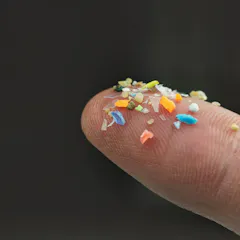
Global action is urgently needed to tackle microplastic – and the problem has never been more pressing.
We don’t yet know the health effects of microplastics in the brain. But until we find out more, it’s best to limit our exposure to plastics where we can.
If you’re worried about pollution in the air we breathe, water we drink and food we eat, take time out to explore the evidence of harm and digest some practical advice on how to reduce your exposure.

The level of microplastic pollution in Osun River may be the highest in the world. Banning single-use plastics may help.
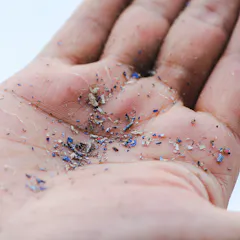
The findings of this recent study adds to a growing body of evidence linking microplastics with health harms.
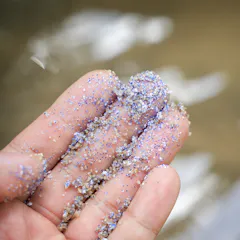
Microplastics are created when everyday products – including clothes, food and beverage packaging, home furnishings, plastic bags, toys and toiletries – degrade.

We sampled sewage sludge from 13 wastewater treatment plants across three states. We found every resident adds microplastics to farmland, in dried sewage sludge (biosolids) used as fertiliser.

The River Nile is contaminated with microplastics.
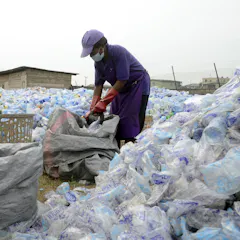
Recycled plastics are not safe if the chemicals used in creating them in the first place are harmful.
Top contributors
-

Lecturer, Griffith University
-
Professor of Environmental Science, Griffith University
-
Associate Professor, Department of Biological and Environmental Sciences, University of Gothenburg
-
Honorary Professor, School of Natural Sciences, Macquarie University
-
Postdoctoral Researcher at Leiden University, Associate Scientist II at Stowers Institute, Developmental Biology, Molecular Biology and Nanotoxicology, Leiden University
-
Research Fellow, Sustainability Research Institute, University of East London
-
Research Fellow, Sustainability Research Institute, University of East London
-
Research Director, Australian Microplastic Assessment Project (AUSMAP); Honorary Senior Research Fellow, School of Natural Sciences, Macquarie University
-
Researcher, School of Chemistry, University of the Witwatersrand, University of the Witwatersrand
-
Professor of Chemistry, RMIT University
-
Scientist, Helmholtz Centre for Environmental Research-UFZ
-
Senior Lecturer in Environmental Chemistry(Legacy and Emerging Contaminants), Federal University of Technology, Akure
-
Senior Research Fellow, The Perron Institute for Neurological and Translational Science, and Faculty of Health Sciences, Curtin University
-
Teaching & Research Scholar, School of Health Sciences, University of Notre Dame Australia
-
PhD Candidate, studying microplastics and gut/brain health, University of Notre Dame Australia