

Scientists have been monitoring the reef’s health for the past 40 years.
Articles on Monitoring
Displaying 1 - 20 of 35 articles
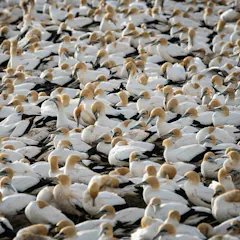
The use of artificial intelligence tools is among the top emerging issues in biodiversity conservation.
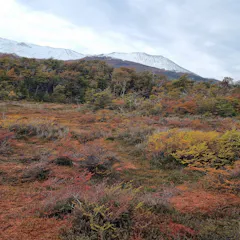
Peatlands are central to climate change, yet basic questions remain unanswered. A global research community has mapped out what we most urgently need to know.
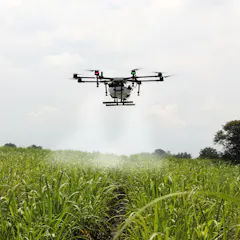
Pressure on farming is intensifying. AI promises some relief through productivity gains – but could create other problems.

The latest report from Australia’s tropical marine research agency shows hard corals on the Great Barrier Reef have been hit hard by an extreme marine heatwave.

Researchers found that photos of restored reefs were rated just as beautiful as those of healthy reefs.
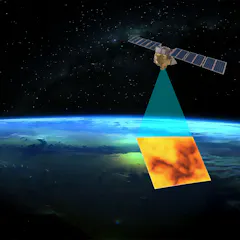
MethaneSat was developed to spot emission hot spots of invisible methane pollution from space. Without it, accurate methane monitoring will be incredibly difficult.
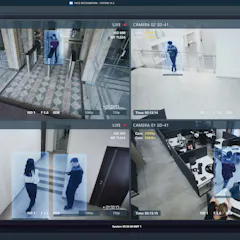
Developments in technology mean there are more ways for workplaces to be monitored, and not always with the knowledge of workers.
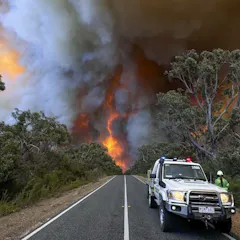
Much of the Grampians National Park (Gariwerd) has already burned this summer – and the fire is not out yet. What does this mean for the animals that live there?
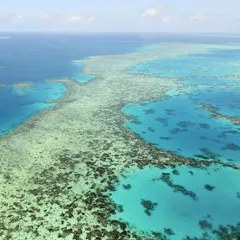
A new study of water quality in Australian rivers reveals surprising changes since the turn of the century: good for the Murray-Darling Basin but bad for the reef.
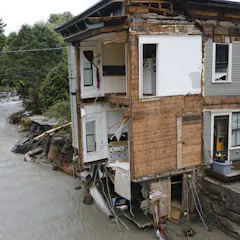
If federal streamgages were bolstered by networks of cheaper monitors run by communities, the results could save lives.
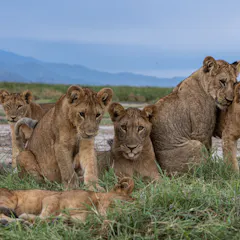
A monitoring approach led by wildlife rangers could make for better counting of lions in many parts of their African range.

There’s been a gradual erosion of democratic rights and liberties in the island of Mauritius.
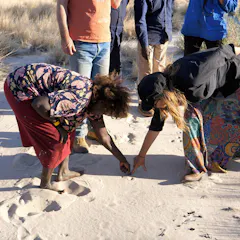
Footprints, droppings, diggings and other signs left behind by animals reveal a lot to a skilled observer. Indigenous knowledge feeds into one of Australia’s largest wildlife monitoring endeavours.

By listening to the “heartbeat” or soundscape of soil, we can learn more about its condition. Think of poor soil as a lifeless party. Healthy soil is where you’ll find the good vibes and chatter.

Current data shows dormice are dramatically declining, but more accurate survey methods could yield different results.
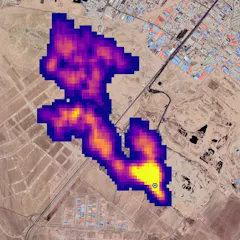
Methane is a potent greenhouse gas that can leak from oil and gas wells, pipelines and landfills. Satellites can spot the releases fast enough to get them fixed and help protect the climate.
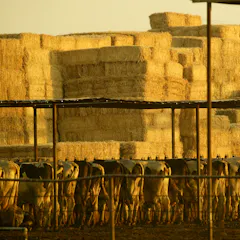
Reducing particle pollution can save thousands of lives, but states need more data to inform better controls. An atmospheric scientist explains what data and actions are needed.
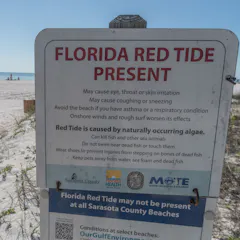
The tiny organisms that cause harmful blooms of algae can have a big impact on your trip to the shore. A toxicologist explains what causes these events and how to keep people and pets safe.
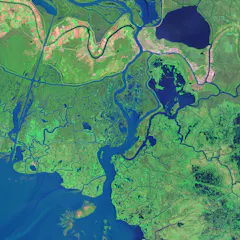
Time-lapse animations that once took days to create are now easy to build with publicly available satellite images and free online tools.
Top contributors
-

Senior Research Scientist in Reef Ecology, Australian Institute of Marine Science
-
Reef Fish Ecologist, Australian Institute of Marine Science
-
Director, Center for Global Discovery and Conservation Science and Professor, Arizona State University
-
Professor, Director of Florida Sea Grant, University of Florida
-
Director, USA National Phenology Network, University of Arizona
-
Associate Professor of Geography and Sustainability, University of Tennessee
-
ARC Future Fellow, Queensland University of Technology
-
Professor Emeritus of Chemical and Biological Engineering, Biomedical Engineering, and Public Health, Colorado State University
-
Associate Professor, Department of Critical Care, The University of Melbourne
-
Outreach Coordinator and Liaison to the U.S. Fish & Wildlife Service, University of Arizona
-
Canada Research Professor, School of Journalism and Communication, Carleton University
-
Senior Research Fellow (ARC DECRA), Emerging Technologies Research Lab, Faculty of Information Technology, Monash University
-
Research Scientist, University of Arizona
-
Professor, Conservation Biology, The University of Queensland
-
Lecturer in Marine and Fisheries Sciences, University of Ghana