
It’s increasingly hard to tell which content online is fake. As malicious actors use generative AI to fuel disinformation, governments must regulate now before it’s too late.
Articles on Misinformation
Displaying 221 - 240 of 564 articles

Russia appears to have seized the battleground initiative as the Ukraine war marks its second anniversary – but the conflict is far from over.

People who dive into misinformation are driven to satisfy an emotional need, according to our new research.

Scientists estimate that for every 100,000 people targeted with specific political ads, several thousand can be persuaded.
When we see false information circulating, we might move to debunk it. But prebunking lies and explaining manipulation techniques can work better.
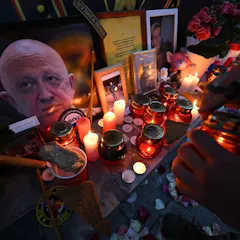
Will the Wagner Group under new leadership uphold the ruthless modus operandi that propelled it to the spotlight in Africa?
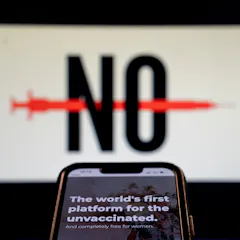
Memes have featured in anti-vaccine messaging for centuries and their power to spread harmful health disinformation is growing.

Viral bots are ‘tricking’ social media algorithms to get more coverage for disinformation.

Youth in a study went from being passive deepfake bystanders to developing a sense of responsibility and readiness to help prevent deepfakes’ spread.
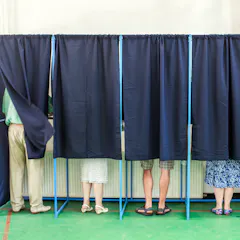
Most studies suggests that fake news is more likely to enhance existing beliefs and views rather than radically change voting intentions of those who are undecided.

In an uncertain world our natural instinct is to seek out answers that reassure, even when they don’t make sense.
We asked people why they shared misinformation and a lot of people do it with good intentions.
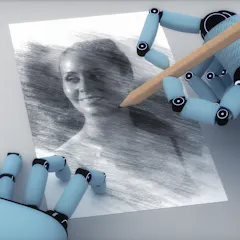
There are many ideas about how to regulate AI, but not all of them are technologically feasible, and some of those that are won’t fly economically.

COVID was a ‘gendered pandemic’, with women carrying very different burdens to men. A three-year New Zealand research project aimed to overcome the urge to forget, and provide lessons for the future.

Trust in brands may be eroded as awareness of misinformation increases according to new research.
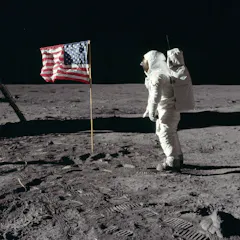
People who are suspicious of science often assume they are understand it well – and that others agree with them.

Victorian anti-vaccine literature shows that the fears and concerns remain largely the same today.
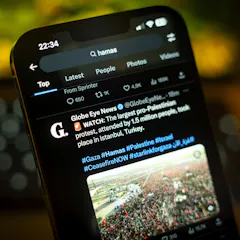
Social media is designed to keep you engaged by getting a rise out of you, not help you think critically or take effective action on political issues.
Theranos was dissolved years ago, and its CEO, Elizabeth Holmes, is in prison, but the company’s patents based on bad science live on – a stark example of the persistence of faulty information.
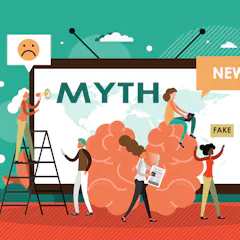
Studies show that health misinformation on social media has led to fewer people getting vaccinated and more lives lost to COVID-19 and other life-threatening diseases.
Top contributors
-

Professor of Social Psychology in Society, University of Cambridge
-
Professor and Chair, Department of Journalism, Stellenbosch University
-
Professor of Information Systems, Michigan State University
-
Associate Research Professor of Social Psychology, Louisiana State University
-
Associate Professor of Interdisciplinary Studies, Royal Roads University
-
Chair of Cognitive Psychology, University of Bristol
-
Lecturer in Journalism and Global Communication, University of Sheffield; Independent Social Research Foundation
-
Senior Research Fellow, Melbourne School of Psychological Sciences, The University of Melbourne
-
Director, News & Media Research Centre, University of Canberra
-
Lecturer in Psychology, University of Cambridge
-
Associate Professor, Epidemiology, Deakin University
-
Professor of AI and Behavioral Data Science, University of Technology Sydney
-
Professor of Informatics and Computer Science, Indiana University
-
Professor in Digital Media, Western Sydney University
-
Professor of Human Centered Design & Engineering, University of Washington