
In some cases, it can be difficult for academics to know which journals are not credible – but other times, people feel pressure to publish in these publications.
Articles on Misinformation
Displaying 261 - 280 of 564 articles
The bill, yet to be debated in parliament, is ripe for amendment.

Medical folk wisdom is the complex problem health professionals can’t afford to ignore.

Most fact-checking focuses on social media, yet misinformation can also spread quickly through messaging apps like Whatsapp. Personalised push notifications – sent directly to your phone – could help.

Fighting misinformation doesn’t have to involve restricting content or dampening people’s enthusiasm for sharing it. The key is turning bad habits into good ones.

New research shows misinformation from political ‘elites’ can be particularly toxic. We all need to do our bit to stop it.

AI can manipulate a real event or invent one from thin air to create a ‘situation deepfake.’ These deepfakes threaten to influence upcoming elections, but you can still protect your vote.

How can fake news be managed without government overreach? Under the draft bill, platforms continue to be responsible for the content on their services – not governments.

AI can generate a synthetic voice that sounds just like a loved one.

Parliament missed an opportunity to ban misinformation and disinformation during the referendum campaign.

Tackling misinformation will be a big part of addressing vaccine hesitancy.
The flood of misinformation on social media could actually be worse than many researchers have reported. The problem is that many studies analyzed only text, leaving visual misinformation uncounted.

Artificial intelligence could be used to generate content intended to manipulate people. Addressing this problem means understanding how communication works to influence people.

Mis- and disinformation about the Voice to Parliament proposal are rife. Here, experts address 10 of the most common myths.
To restrict the spread of fake news on social media platforms, researchers designed an algorithm that can flag potential misinformation.
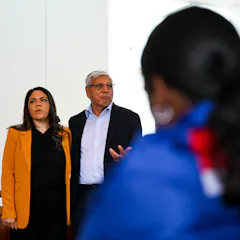
As the referendum date approaches, campaigns may use misinformation to spark emotions in people to get them to vote a certain way. Here are some ways to spot dishonest claims and misinformation.

Generative AIs may make up information they serve you, meaning they may potentially spread science misinformation. Here’s how to check the accuracy of what you read in an AI-enhanced media landscape.
Fact-checking is important, but the contents need to be more visual to be able to attract more public audiences.
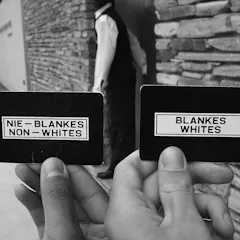
Some media and politicians have been comparing the First Nations Voice to Parliament to apartheid. However, ensuring First Nations peoples have their views heard by parliament is not the same thing.
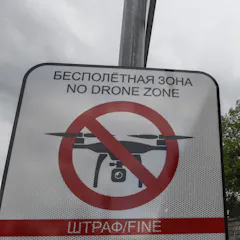
The drone ‘attack’ on the Kremlin remains shrouded in mystery. Here are some of the possible explanations.
Top contributors
-

Professor of Social Psychology in Society, University of Cambridge
-
Professor and Chair, Department of Journalism, Stellenbosch University
-
Professor of Information Systems, Michigan State University
-
Associate Research Professor of Social Psychology, Louisiana State University
-
Associate Professor of Interdisciplinary Studies, Royal Roads University
-
Chair of Cognitive Psychology, University of Bristol
-
Lecturer in Journalism and Global Communication, University of Sheffield; Independent Social Research Foundation
-
Senior Research Fellow, Melbourne School of Psychological Sciences, The University of Melbourne
-
Director, News & Media Research Centre, University of Canberra
-
Lecturer in Psychology, University of Cambridge
-
Associate Professor, Epidemiology, Deakin University
-
Professor of AI and Behavioral Data Science, University of Technology Sydney
-
Professor of Informatics and Computer Science, Indiana University
-
Professor in Digital Media, Western Sydney University
-
Professor of Human Centered Design & Engineering, University of Washington