
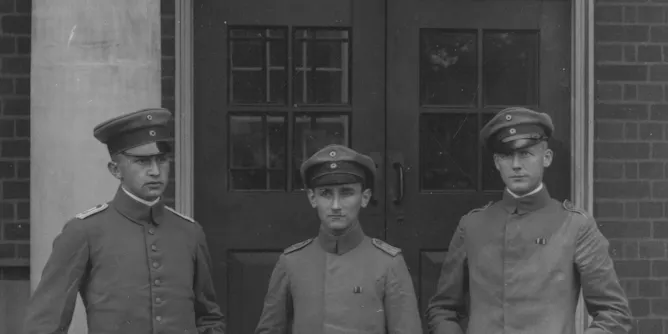
In September 1917, 22 German World War I prisoners held at a camp just outside Nottingham, managed to escape.
Articles on Military history
Displaying 21 - 40 of 51 articles
CC BY-ND50.2 MB (download)
A podcast on World War I – from a meeting between the three great war poets, to what happened to conscientious objectors in both Britain and Germany.
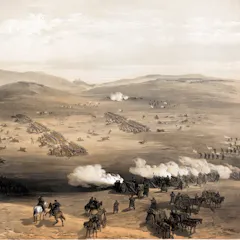
The Charge of the Light Brigade was brave but fruitless. Could it have worked if the feuding British leaders had interpreted their orders differently?
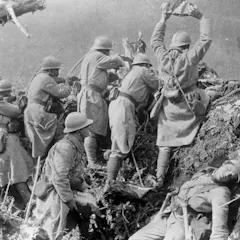
The French Army’s efforts in the world wars have long been maligned. Its soldiers deserve better.
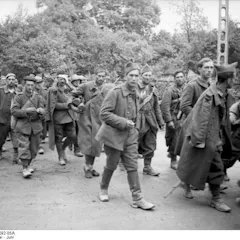
How French memories of the Dunkirk evacuation differ from those of the British.

Since the late 1970s, East Asia has seen fewer deaths in conflict than any other continent. Can it keep the peace?
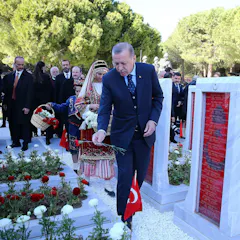
The Gallipoli campaign has, in recent years, increasingly become part of the culture wars in Turkey associated with the rise of political Islam.
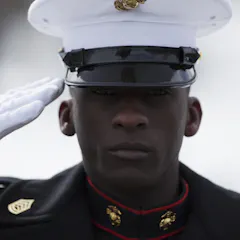
The men who killed police officers in Dallas and Baton Rouge were black veterans. A historian explains black veterans’ long struggle to live with inequality in their military service, and back home.
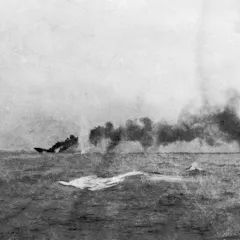
Both sides claimed victory after the German and British fleets met off the coast of Denmark, 100 years ago.
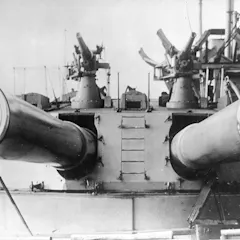
Calculus helped determined the outcome of World War I’s biggest naval battle, 100 years ago.
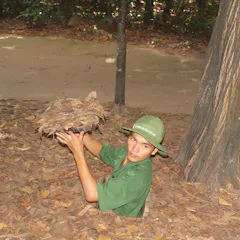
Might the rise of heritage tourism and the increasing ease of international travel lead to more of Australia’s military experiences overseas being better understood?
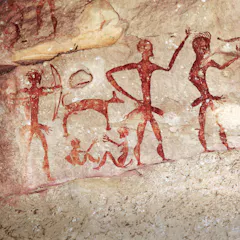
Archaeological remains, traditional tribes and conflict among chimpanzees can tell us much about the history of human warfare.
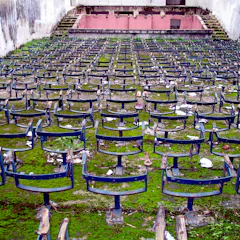
Apartheid South Africa started a war in which it could not maintain a strategic advantage. It misread the quest for national liberation and international opinion that undermined its effectiveness.
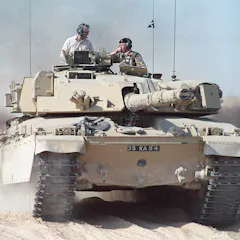
Overshadowed by the terrible conflicts to come, this short operation was nevertheless a significant global event.
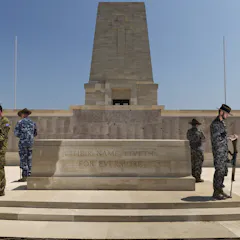
Armistice Day provides a moment to reflect on Australia’s self-identity in comparison to other nations that experienced the first world war and commemorate it to this day.
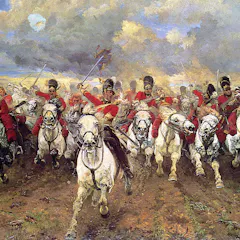
From Belgium to Moscow to Helmland: how one battle helped shape how we think of war.

The anniversary of Menzies’ fateful decision to commit troops to the escalating war in Vietnam marks a turning point that is at least as significant as the Gallipoli landings for Australia today.
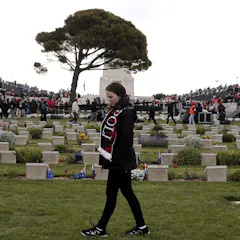
It is naïve to expect men to kill and die for their country, to live through the horrors of a particularly barbaric war, and to come out the other end unscathed – despite our popular myths.
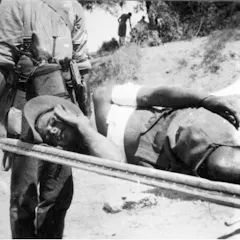
Never has the Anzac tradition been more popular and yet never have its defenders been more chauvinistic, bellicose and intolerant of other viewpoints.
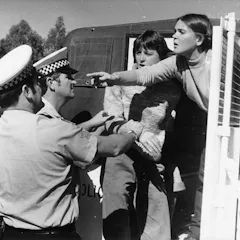
Protests on Anzac Day, rather than being ‘utterly alien to Australians’, have a long tradition and embody the democratic right to dissent for which the troops fought.
Top contributors
-

Senior Lecturer in Sociology, Adelaide University
-
Principal Lecturer in History, Manchester Metropolitan University
-
Research Professor in the Australian Centre for the Study of Armed Conflict and Society, UNSW
-
Senior Lecturer, School of Humanities and Social Sciences, Deakin University
-
Professor of History, Provost and Deputy Vice-Chancellor, University of Sydney
-
Reader in International Journalism, City St George's, University of London
-
Honorary Associate, Department of History, University of Sydney
-
Honorary Research Associate, College of Arts, Social Sciences and Commerce, La Trobe University
-
Senior Lecturer, School of Education, University of Aberdeen
-
Professor of Operations Research, Brock University
-
Associate Professor in Politics and International Relations, Monash University
-
Senior Lecturer in Contemporary British History, Newcastle University
-
Professor, University of Leeds
-
Laughton Professor of Naval History, Department of War Studies, King's College London
-
Chair Professor, Istanbul Bilgi University