
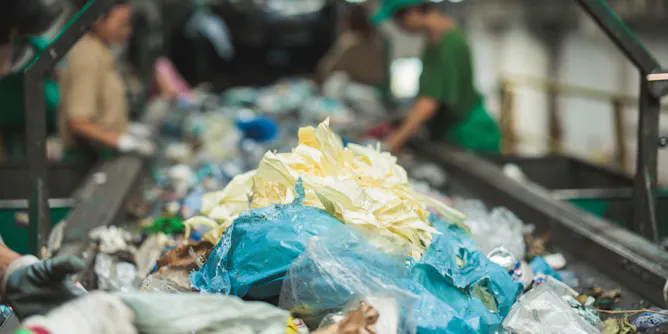
United Nations efforts to advance a global treaty on plastic pollution echo past multilateral agreements that tackled ozone layer depletion and acid rain.
Articles on Microplastic pollution
Displaying 21 - 36 of 36 articles
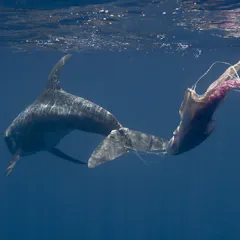
New research shows that relatively large microplastic particles can make their way into the body tissues of marine mammals.

We need to pay close attention to the potential impacts that high levels of microplastics might have on environments and find ways to reduce microplastic levels in Canada’s wastewater stream.

New research shows that Americans may have absorbed public messaging about the importance of recycling too well.

Researchers even found textile fibres in very remote lakes with limited human presence.

Inflating your cars’ tyres properly isn’t just good for your bank account - it can minimise your environmental footprint too.
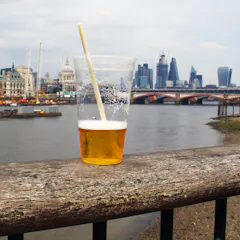
Researchers took samples of the River Thames for two years to track levels of microplastics.
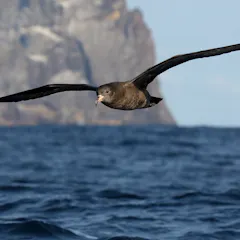
Many marine animals, birds and fish are ingesting plastic. New research identifies the first named health effect from it.

It’s impossible to escape exposure to microplastics and a new study confirms they’re in household dust around the world. But the health risks appear surprisingly low, and vacuuming makes a difference.
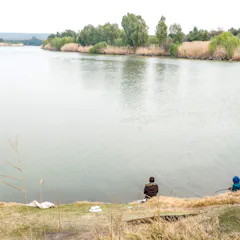
The Vaal River, which serves more than 11 million people, is considerably polluted with microplastics.
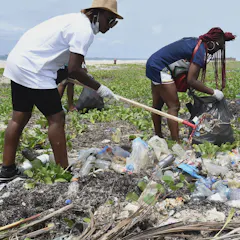
Nigeria generates 2.5 million tonnes of plastic waste yearly. Research and public enlightenment can help address the problem.
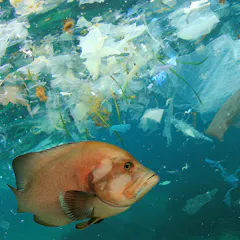
We need to advance our understanding of the effects of microplastics on aquatic ecosystems, especially on small animals at the base of food webs that might be ingesting more of these particles.

Normally land-bound pathogens that cause deadly diseases for both humans and animals can cling to microplastics and end up in your seafood.

The Nigerian government must do more to combat increasing plastic pollution in the country.
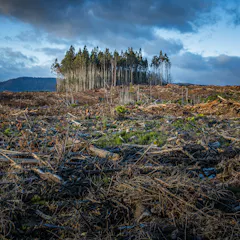
Colonialism is manifested by the way pollution impacts the lives of Indigenous peoples in Canada. Two Indigenous environmental scientists discuss how they’ve overcome obstacles in their research.
After soil, water and food, microplastics have now entered the atmosphere, where they influence the climate system and may even change atmospheric chemistry.
Top contributors
-

Senior Lecturer in Environmental Chemistry(Legacy and Emerging Contaminants), Federal University of Technology, Akure
-
Research Director, Australian Microplastic Assessment Project (AUSMAP); Honorary Senior Research Fellow, School of Natural Sciences, Macquarie University
-
Research Fellow, Sustainability Research Institute, University of East London
-
Professor, Obafemi Awolowo University
-
Honorary Professor, School of Natural Sciences, Macquarie University
-
Researcher, School of Chemistry, University of the Witwatersrand, University of the Witwatersrand
-
Senior Marine Ecosystem Services Researcher, Plymouth Marine Laboratory
-
Chair professor, University of Strathclyde
-
Lecturer, Griffith University
-
Senior Lecturer, Ecotoxicology and Conservation Unit, Department of Zoology, Faculty of Science, University of Lagos
-
Academic Casual, School of Natural Sciences, Macquarie University
-
Professor of Atmospheric Chemistry, University of Canterbury
-
CSIRO
-
Director, Australian Rivers Institute, Griffith University
-
Associate Professor of Engineering and Co-Director, Convergent Behavioral Science Initiative, University of Virginia