
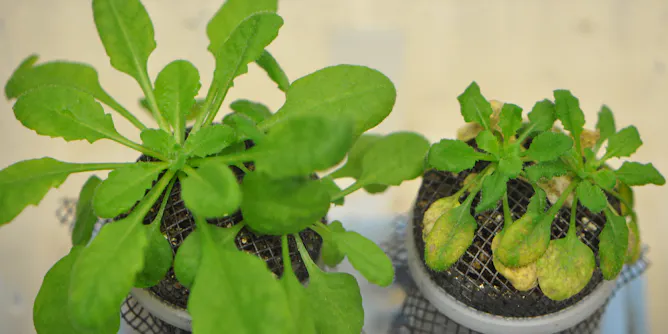
Just as humans can suffer from an imbalance of microbes in their gut, plants can suffer a similar syndrome in their leaves. This finding opens up new possibilities for improving food security.
Articles on Microbiome
Displaying 101 - 120 of 215 articles
Rich and diverse microbiomes in our local environment are important for keeping us healthy.

The atmosphere has a microbiome of bacteria, viruses and fungi that travel around the world on highways in the sky.

Finally, an answer to a long-bubbling question: What works best – bar or liquid soap?

The pandemic is still raging. Health, money, work, relationships, environment have changed throughout the world, and perhaps permanently so.

Our oral microbiome is the second most diverse and equally important microbiota in the body.
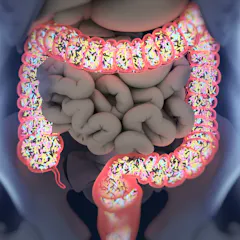
The disease is more severe in people with obesity, diabetes and hypertension — all conditions linked to changes in the gut microbiome.

Current research suggests that exercise causes a number of positive changes in our gut microbiome.

The study of two hospitals was a first for researching the microbiology of the built environment in South Africa – a multi-disciplinary approach to understanding how to design healthier buildings.

Newborn babies can pick up GBS from their mother’s vaginal tract during childbirth.
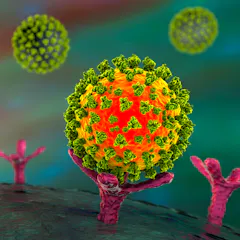
COVID-19 can attack your gastrointestinal tract, and those with symptoms such as diarrhoea, nausea and vomiting may have a worse version of the disease.

We spend 90% of our lives indoors, and every building has its own indoor microbiome. Can we learn to manage them in ways that support helpful microbes and suppress harmful ones?

Humans obtain bacteria through the foods they eat. But how do bees collect bacteria that live in and on them? And where do they pick up these microbes?
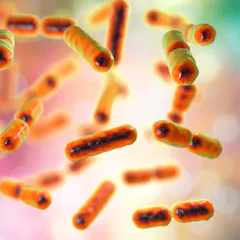
The science behind direct-to-consumer gut microbe testing is in its infancy. Here’s what you need to know if you’ve been tempted to get your microbiome analysed.

Many people with autism experience gastrointestinal problems. Understanding the role and function of the gut in autism could one day allow us to improve quality of life for people with autism.
PODCAST: The second episode of our series on the personalisation of healthcare focuses on your diet.
Knowing what genes cause antibiotic resistance – and where they are in the body – is critical for preventing further antibiotic resistance.
Our research found that following a Mediterranean diet was linked with less frailty, inflammation, and maintaining better cognitive function.

We used to think the rise in allergies was because we weren’t exposed to as many early infections as previous generations. But that’s not the case.
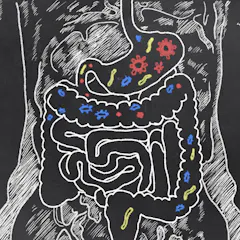
From dietary supplements to poop transplants, probiotics are now a multi-billion dollar market.
Top contributors
-

Professor of Genetic Epidemiology, King's College London
-
Associate Professor of Gastroenterology, School of Medicine, University of Washington
-
Honorary Associate Professor
-
Professor of Molecular and Genetic Epidemiology, University of Nottingham
-
Associate Pro Vice-Chancellor: Innovation and Knowledge Exchange, University of Nottingham
-
Professor of Microbiology and Immunology, Indiana University
-
Senior Lecturer in Psychology, The University of Melbourne
-
Associate Professor and Clinical Academic Gastroenterologist, Western Sydney University
-
Reader in Ageing Research, King's College London
-
Chief, Epithelial Therapeutics Unit, National Institute of Allergy and Infectious Diseases
-
Honorary Fellow in Microbiology and Immunology, The University of Melbourne
-
Professor of Molecular Evolution, Macquarie University
-
Assistant Professor of Neonatology, University of Alabama at Birmingham
-
Postdoctoral Associate in Neuroscience, University of Florida
-
Honorary Professor, University of Newcastle