

In this clinical trial, the first of its kind, physicians explore whether directly applying a ‘good’ strain of bacteria to the skin can heal eczema
Articles on Microbiome
Displaying 161 - 180 of 215 articles
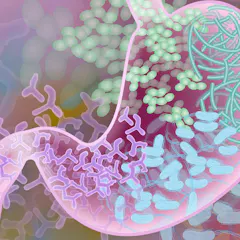
Our obsession with gut health, diet and well-being is far from new: the Victorians had very similar concerns.

Can you blame bad teeth on your genes? Here’s why the answer is not as simple as you might think.
Researchers are getting closer to understanding how some people are more susceptible to posttraumatic stress disorder.
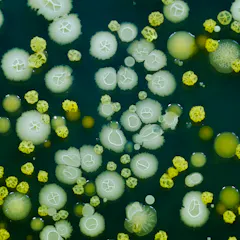
When jetting off on holiday, we rarely give a second thought to what microbes we might be taking with us. But humans spread trillions of bacteria around the globe, potentially harming ecosystems’ balance.
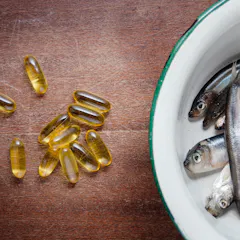
A study of middle-aged British women shows that omega-3 has beneficial effects on gut health.
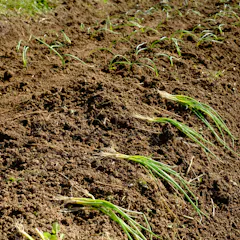
Healthy soil teems with bacteria, fungi, viruses and other microorganisms that help store carbon and fend off plant diseases. To restore soil, scientists are finding ways to foster its microbiome.

For most of the twentieth century, we were at war with microbes, leading to substantial changes in our body’s ecosystem. This has changed our diets, disease profile, moods and even personalities.

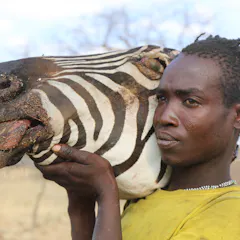
Here’s what happened to a professor of genetic epidemiology’s ‘microbiome’ when he lived with the Hadza.

The make-up of your gut bacteria will determine whether or not you put on weight.
We need micro-environmentalists to fight for the cause.

Unless we do something about about antibiotic pollution in the world’s waterways, the next trip you take to the coast for a seafood dinner just might be your last.

From losing inhibitions and anger to schizophrenia and dementia – science is uncovering the role small critters play in a range of illnesses and behaviours.

Three stories about researchers who have dabbled in self-experimentation – with varying results.
To complete a short survey about the podcast, please click here https://www.surveymonkey.co.uk/r/QR7WVMF

The bacteria in a mother’s breast milk are important because it helps develop a baby’s gut. Research shows this bacteria are different depending on where mothers live and what they eat.
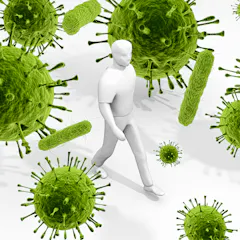
Long viewed simply as ‘germs,’ the hidden half of nature turns out to be crucial to the health of people and plants.
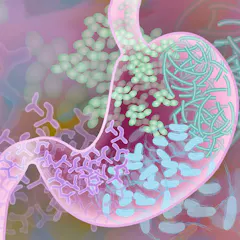
New research suggests our gut microbes have their own circadian rhythms that in turn influence our organ functions. Is this an explanation for how disrupting our daily patterns can cause health problems?
The mystery of the yo-yo dieting effect has finally been solved.
Low fibre eaters gain weight more quickly and may be more susceptible to certain illnesses.
The modern lifestyle, particularly diet and hygiene changes, have altered our relationship with our microbes. But can we restore it?
Top contributors
-

Professor of Genetic Epidemiology, King's College London
-
Associate Professor of Gastroenterology, School of Medicine, University of Washington
-
Honorary Associate Professor
-
Professor of Molecular and Genetic Epidemiology, University of Nottingham
-
Associate Pro Vice-Chancellor: Innovation and Knowledge Exchange, University of Nottingham
-
Professor of Microbiology and Immunology, Indiana University
-
Senior Lecturer in Psychology, The University of Melbourne
-
Associate Professor and Clinical Academic Gastroenterologist, Western Sydney University
-
Reader in Ageing Research, King's College London
-
Chief, Epithelial Therapeutics Unit, National Institute of Allergy and Infectious Diseases
-
Honorary Fellow in Microbiology and Immunology, The University of Melbourne
-
Professor of Molecular Evolution, Macquarie University
-
Assistant Professor of Neonatology, University of Alabama at Birmingham
-
Postdoctoral Associate in Neuroscience, University of Florida
-
Honorary Professor, University of Newcastle