
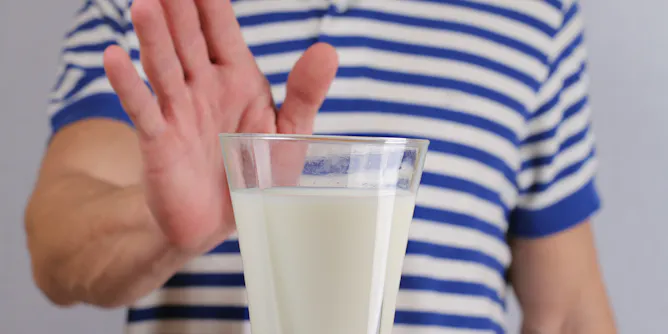
There has been a dramatic rise in life-threatening food allergies in the last few decades. Antibiotics, poor diet and C-sections have all been implicated. Now new evidence points to gut microbes.
Articles on Microbiome
Displaying 141 - 160 of 215 articles

The effort to edit the genes of Chinese twins implies that all our traits are determined by our genes. But changing our diet, environment, lifestyle and microbes may have a greater effect.
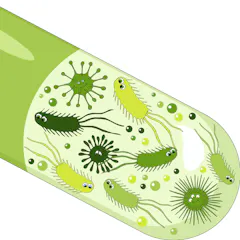
Researchers are exploring the possibility of creating living drugs – designer microbes that can live in our guts and provide critical components that our body needs but can’t make itself.

When immigrants come to the US, it isn’t just the people who assimilate. The microbes in their gut also become Westernized after living here. This may predispose them to diseases like obesity.

Millions of bacteria live on our skin without making us sick. It’s when they manage to get through that they can be dangerous – particularly if they’re resistant to antibiotics.
Just because you don’t have the flu doesn’t mean that your aren’t teeming with viruses inside and out. But what are all these viruses doing, if they aren’t making you sick?

A sanitised environment can mean fewer helpful bacteria. That has some surprising consequences for the health of children.
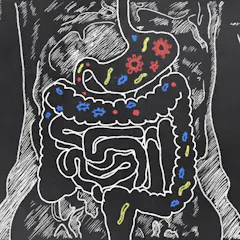
Many probiotic bacteria don’t manage to colonise the gut, but that doesn’t mean they don’t have positive health benefits.

Mosquitoes are picky about who they bite but it’s not actually “us” that they’re smelling when they choose their next meal…
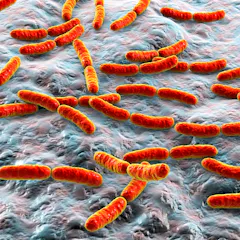
Cancer immunotherapies are considered as revolutionary. But many cancer patients don’t respond to them. In a new clinical trial, researchers are testing whether gut microbes are the key to remission.
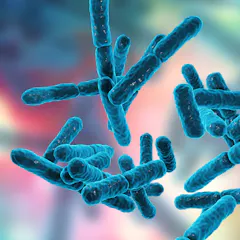
Clinical trials involving probiotics are failing to report on the safety and harms of these treatments.

Certain gut microbes have been associated with certain diseases, but a new study finds that the pattern of microbes is consistent across a range of diseases.

A new type of antibiotic uses DNA to fight a common deadly microbe, Clostridium difficile. These new drugs are inexpensive and adaptable and can be modified to target any bacterium, lowering the chance of drug resistance.

There may be additional long-term health harms from antibiotic exposure in early life and before birth, including an increased risk of infection, obesity and asthma.

Halting the rapid rise in inflammatory bowel disease will require a proactive approach to medicine, and a focus on the gut.
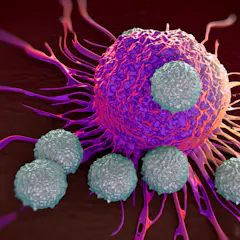
Nobel laureate Peter Doherty explains immunity.
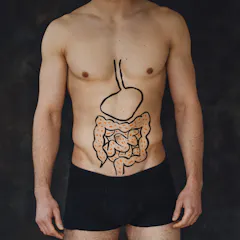
Gut microbe metabolites can tell us a lot about our health.

An expert explains how often you should poo and what it should look like.
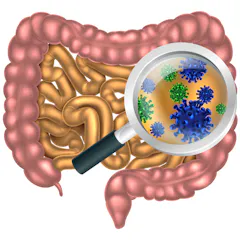
In the largest citizen science experiment to date, 11,336 people sent poop samples to this San Diego lab so that microbiologists could figure out how the microbes in our guts make us healthy or sick.
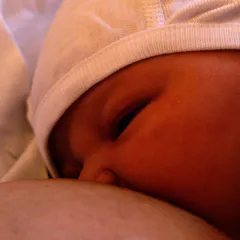
A chemist explains how some molecules in human breast milk help fight infection. Understanding their properties could lead to better infant formulas that share the health advantages of breastfeeding.
Top contributors
-

Professor of Genetic Epidemiology, King's College London
-
Associate Professor of Gastroenterology, School of Medicine, University of Washington
-
Honorary Associate Professor
-
Professor of Molecular and Genetic Epidemiology, University of Nottingham
-
Associate Pro Vice-Chancellor: Innovation and Knowledge Exchange, University of Nottingham
-
Professor of Microbiology and Immunology, Indiana University
-
Senior Lecturer in Psychology, The University of Melbourne
-
Associate Professor and Clinical Academic Gastroenterologist, Western Sydney University
-
Reader in Ageing Research, King's College London
-
Chief, Epithelial Therapeutics Unit, National Institute of Allergy and Infectious Diseases
-
Honorary Fellow in Microbiology and Immunology, The University of Melbourne
-
Professor of Molecular Evolution, Macquarie University
-
Assistant Professor of Neonatology, University of Alabama at Birmingham
-
Postdoctoral Associate in Neuroscience, University of Florida
-
Honorary Professor, University of Newcastle