
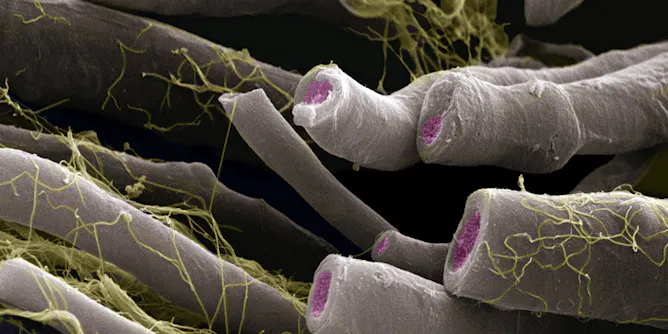
Levels of 2 types of bacteria in your gut could help improve the diagnosis and treatment of multiple sclerosis.
Articles on Microbiome
Displaying 21 - 40 of 215 articles

The NiMe diet explained.

A new bill looking to control antibacterials in everyday products was recently debated in the House of Lords.
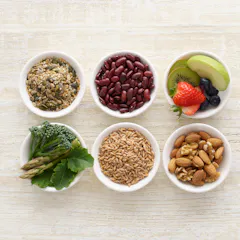
An analysis of 12,000 stool samples from people in 45 countries throws up some interesting findings about how to keep E coli in the gut in check.

While most Halloween candies contain lots of sugar, some are better for your gut microbiome than others.

Microbial communities are essential to life, yet their complexity has long puzzled scientists. Now, a new framework aims to unravel how these intricate ecosystems form.

Imbalances in different species of bacteria in a baby’s gut may provide insights into their neurodevelopment.

Your gut microbes have a lot to say about how many calories you consume and how effectively your body metabolizes them.
Increasing clinical evidence links changes in the composition of the gut microbiome to the development of various skin diseases such as eczema.

The ‘indoor microbiome’ is linked to respiratory health, immune function and possibly even mental wellbeing.
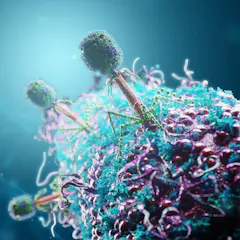
Each person is home to about ten trillion viruses.

Athletes have different gut microbiomes compared with the general population. Some of these microbes are thought to improve endurance and recovery by optimizing the cell’s powerhouses.

Your upper intestine is host to a distinct population of microbes that play a role in digestion, metabolism and immunity.

A uniquely identifying population of bacteria can survive on clothes for months after a person wears them.

The brain was once thought to be sterile, thanks to the blood-brain barrier. But scientists are beginning to question this.

From kimchi to kombucha and sauerkraut to sourdough, many traditional food staples across cultures make use of fermentation. And these variations are reflected in your microbiome.

Most infection prevention guidelines center on the hospital environment rather than the patient. But the source of antibiotic-resistant microbes is often from the patient’s own body.
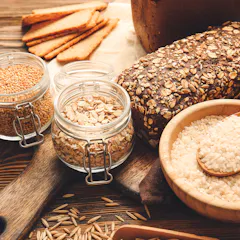
C butyricum promotes a robust immune system and restores out gut microflora.

Salt is an essential nutrient that has helped civilizations flavor and preserve their foods for millennia. Too much dietary salt, however, is linked to a host of health problems.
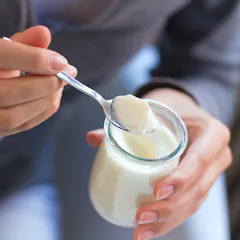
Fermented foods, such as yoghurt and kefir, are great sources of this immune-boosting microbe.
Top contributors
-

Professor of Genetic Epidemiology, King's College London
-
Associate Professor of Gastroenterology, School of Medicine, University of Washington
-
Honorary Associate Professor
-
Professor of Molecular and Genetic Epidemiology, University of Nottingham
-
Associate Pro Vice-Chancellor: Innovation and Knowledge Exchange, University of Nottingham
-
Professor of Microbiology and Immunology, Indiana University
-
Senior Lecturer in Psychology, The University of Melbourne
-
Associate Professor and Clinical Academic Gastroenterologist, Western Sydney University
-
Reader in Ageing Research, King's College London
-
Chief, Epithelial Therapeutics Unit, National Institute of Allergy and Infectious Diseases
-
Honorary Fellow in Microbiology and Immunology, The University of Melbourne
-
Professor of Molecular Evolution, Macquarie University
-
Assistant Professor of Neonatology, University of Alabama at Birmingham
-
Postdoctoral Associate in Neuroscience, University of Florida
-
Honorary Professor, University of Newcastle