
The gut microbiome plays a big role in mediating how the immune system responds to perceived threats, which include the body’s own nerves.
Articles on Microbiome
Displaying 61 - 80 of 215 articles

Our Mars rovers might not be sensitive enough to detect signs of life. But lessons from Antarctica might make future missions more successful.
Cancer cells are ‘cheaters’ that do not cooperate with the rest of the body. Certain microbes in your diet can either protect against or promote tumor formation by influencing cell cooperation.
Some scientists believe that the placenta and amniotic fluid that surrounds a foetus have their own microbiome. A new review refutes this.

Mice with minimal levels of gut bacteria showed less brain cell damage.
The microbes in our gut have many roles, including to support immune function.

Pregnancy changes the structure and function of virtually every organ system of the body. That includes some big changes to the gut.

A new species of bacteria that doesn’t normally live in the gut may trigger an immune response so strong that it spreads to the joints.

As early modern humans spread across the globe, their gut microbes genetically changed with them. Understanding the origins of gut microbes could improve understanding of their role in human health.

Nice recommends faecal transplants to treat antibiotic-resistant Clostridium difficile infections. The treatment has been used in the UK since 2013.

People wouldn’t last long without the countless other species we depend on for survival.
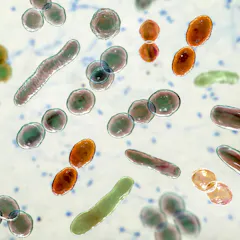
The types of microbes residing in your gut can affect your mental and physical health. Home microbiome tests promise to help consumers improve the composition of their gut microbes.
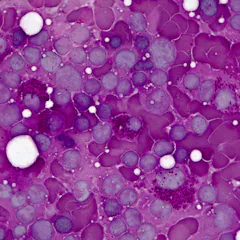
Patients with blood cancer undergoing stem cell transplantation have a high risk of complications. The bacteria in their gut, however, can help their immune system recover and fight infections.

Certain viruses like dengue and Zika can make their hosts smell tastier to mosquitoes. Luckily, vitamin A and its derivatives may help combat these odor changes.

Our gut microbiome is connected to almost every aspect of our health – including brain health.
Disruptions to the lung microbiome are linked to a number of respiratory conditions in both children and adults.

Poop comes in many shapes, sizes and textures. The kind that’s too runny might be the result of wayward germs, Crohn’s disease or lactose intolerance.

Research from Japan has found that a certain type of gut bacteria appears to lower the rate of COVID deaths.

Months not eating or moving don’t result in muscle wasting and loss of function for animals that hibernate. New research found gut microbes help their hosts hold onto and use nitrogen to build proteins.

New research dispels the myth that gut bacteria causes autism. Rather, changes in the gut bacteria of some people with autism are driven by restricted diets or ‘picky eating’.
Top contributors
-

Professor of Genetic Epidemiology, King's College London
-
Associate Professor of Gastroenterology, School of Medicine, University of Washington
-
Honorary Associate Professor
-
Professor of Molecular and Genetic Epidemiology, University of Nottingham
-
Associate Pro Vice-Chancellor: Innovation and Knowledge Exchange, University of Nottingham
-
Professor of Microbiology and Immunology, Indiana University
-
Senior Lecturer in Psychology, The University of Melbourne
-
Associate Professor and Clinical Academic Gastroenterologist, Western Sydney University
-
Reader in Ageing Research, King's College London
-
Chief, Epithelial Therapeutics Unit, National Institute of Allergy and Infectious Diseases
-
Honorary Fellow in Microbiology and Immunology, The University of Melbourne
-
Professor of Molecular Evolution, Macquarie University
-
Assistant Professor of Neonatology, University of Alabama at Birmingham
-
Postdoctoral Associate in Neuroscience, University of Florida
-
Honorary Professor, University of Newcastle