
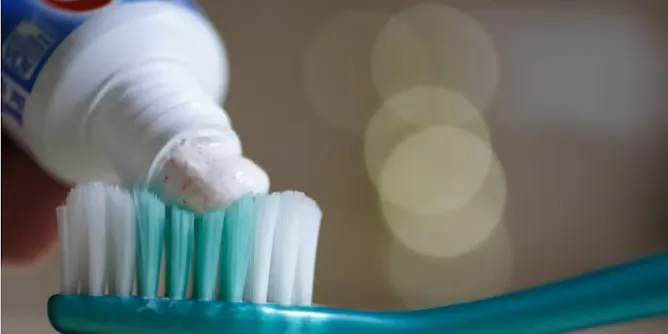
South Africa plans to ban plastic microbead particles that wash into the ocean and end up in the fish we consume. The ban may take two years to come into effect.
Articles on microbeads
Displaying all articles

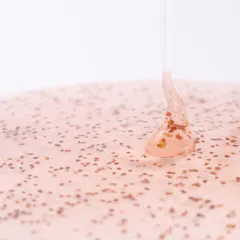
Brewer’s spent grain, the main waste product from the brewery industry, can be used to produce microbeads, replacing plastic in personal hygiene products.
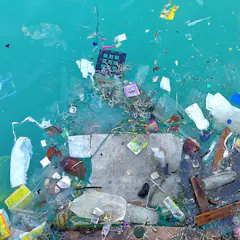
Many studies find microplastics have important negative effects on animals, but others don’t.
A plastic bag has an average usage time of 20 minutes, while it can take up to 1000 years to break down in the environment.
South Africa needs to strengthen its response to plastic pollution.
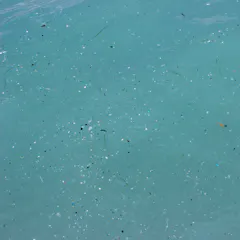
Microplastics are everywhere–our water, soil, and even the air we breathe. The consequences of this exposure on human health is unknown. But studies in animals give us reason to worry.
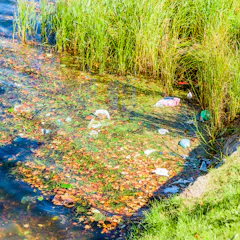
Microfibres and microplastics are a massive problem for marine life. Once ingested, they
severely affect marine animals ability to eat. There’s also concerns about their toxicity.
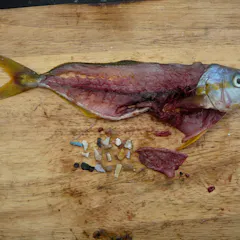
Dave West from the environmental group Boomerang Alliance told Fairfax that if you’ve got an average seafood diet in Australia, you’re probably ingesting about 11,000 plastic pieces a year. Is that right?
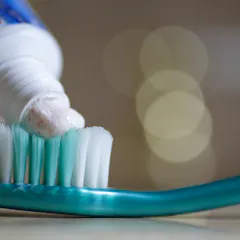
California is the latest state to attempt to ban microplastics from consumer care products. Why these commonly used microbeads are causing major health and environmental problems.
Top contributors
-

Assistant Professor of Ecology and Evolutionary Biology, University of Toronto
-
Research Professor Ecotoxicology, North-West University
-
Postdoctoral Fellow in Conservation Biology, University of California, Davis
-
Postdoctoral Fellow at the Department of Zoology and Entomology, Rhodes University
-
Professor of Environmental Health Sciences, University of Michigan
-
Senior Principal Research Scientist, Environment, CSIRO
-
Communication Manager - CSIRO Oceans and Atmosphere, CSIRO
-
Professor of Ecotoxicology of Delta and Coastal Waters, Vrije Universiteit Amsterdam
-
Professeur en chimie organique, Université du Québec à Rimouski (UQAR)
-
Doctoral Researcher, Sustainable Food Processing, ETH Zurich
-
PhD Student, Department of Ecology and Evolutionary Biology
-
Associate Professor , University of the Western Cape
-
Acting Research Chair: Oceans Economy and Acting Director: Centre for Sustainable Oceans, Cape Peninsula University of Technology