
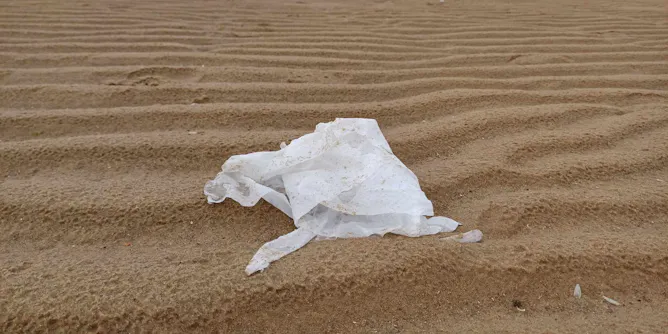
While non-plastic textiles are not as long-lived as plastics, they can last long enough to accumulate and cause damage to plants, animals and humans.
Articles on microfibres
Displaying all articles

Next time you do your laundry, think like an astronaut – wash your clothes as little as possible.
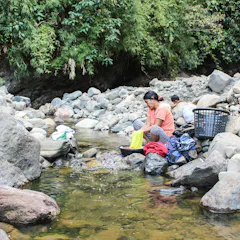
Simply trying to avoid synthetic clothing won’t fix our microfibre pollution problem

We need to pay close attention to the potential impacts that high levels of microplastics might have on environments and find ways to reduce microplastic levels in Canada’s wastewater stream.
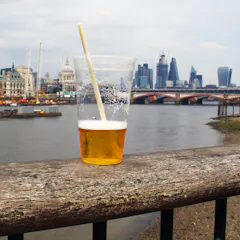
Researchers took samples of the River Thames for two years to track levels of microplastics.

It’s estimated that 1.63 million tons of material will be produced in 2023 for wet wipes.

By washing our clothes, we release microfibres into the environment which are then ingested by marine animals.
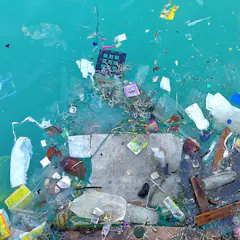
Many studies find microplastics have important negative effects on animals, but others don’t.
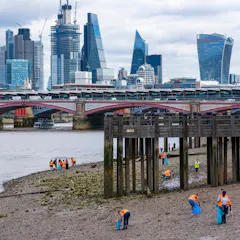
It’s not just the ocean we need to worry about – plastic is accumulating in the world’s rivers, too.
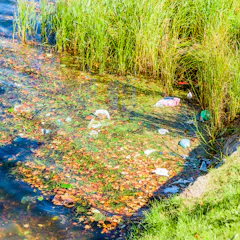
Microfibres and microplastics are a massive problem for marine life. Once ingested, they
severely affect marine animals ability to eat. There’s also concerns about their toxicity.
Top contributors
-

Postdoctoral Fellow at the Department of Zoology and Entomology, Rhodes University
-
PhD Researcher in Aquatic Pollution, Royal Holloway, University of London
-
Postgraduate Researcher, University of Leeds
-
Lecturer in Sustainablity, Fashion and Retail, University of Leeds
-
Associate professor, Deakin University
-
Royal Society Dorothy Hodgkin Research Fellow and Lecturer in Environmental Chemistry, University of Bristol
-
Professor of Sustainable Development, Keele University
-
Associate Professor in Forensic Science, Northumbria University, Newcastle
-
PhD Student, Department of Ecology and Evolutionary Biology
-
Postdoctoral Fellow, Department of Geography and Environmental Studies, Carleton University
-
Associate Professor, Institute for Frontier Materials, Deakin University
-
Lecturer in Geography, Loughborough University
-
Associate Professor, Institute of Environmental Science, Carleton University
-
Research Engineer, Deakin University
-
Research Officer, University of Leeds