
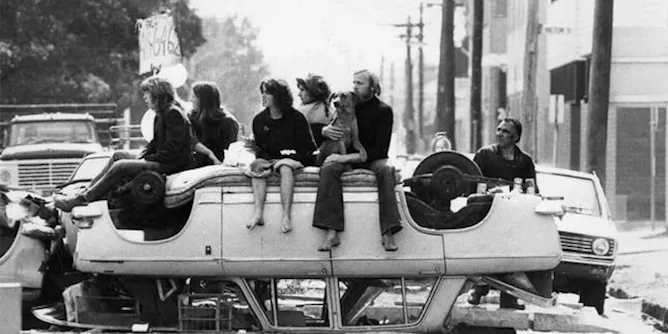
Public protests eventually forced the scrapping of some proposed freeways in 1973. Today, we have another round of projects and people are protesting again, with good reason. Government should listen.
Articles on Melbourne
Displaying 121 - 140 of 270 articles
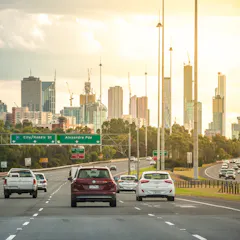
While called a transportation plan,
it was heavily skewed towards roads. We need the type of city-shaping thinking that underpinned the plan, but today’s plans must match 21st-century priorities.
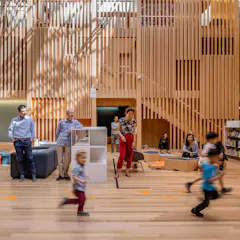
In our digital age, libraries are spaces for community and connection. The new State Library Victoria proves libaries have an exciting future.
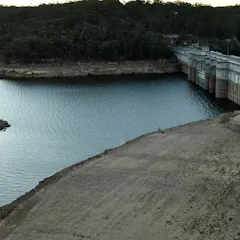
Australia’s capital cities have collectively lost 30% of their stored water over the last six years. But this loss is not evenly distributed across the country.
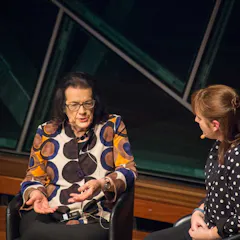
Join one of the country’s most respected political reporters for an evening of conversation.
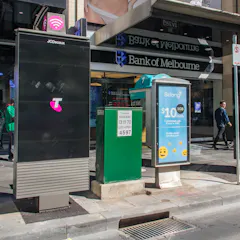
The new payphones have Wi-Fi, mobile charging and transport information. But city councils are concerned they’re digital billboards for Telstra, which could cost billions in lost productivity.

It’s time to tackle the shortage of public housing head-on, rather than skirt around the problem. Public housing is the single most cost-effective way to turn around the rise in homelessness.

The Spanish city is remaking urban neighbourhoods by limiting through traffic in superblocks that give priority to pedestrians and street activities, not cars.
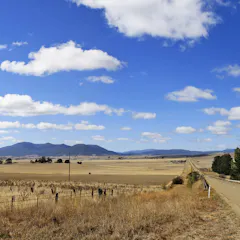
Hitting the Paris targets will go a long way to securing Melbourne’s water supply against future pressure.
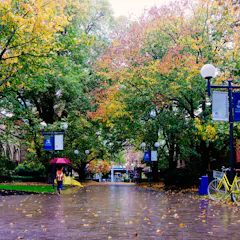
The performance of Melbourne and Sydney on this international platform speaks volumes for the position of the country as a study destination.
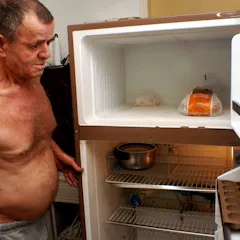
While politicians ignore calls to raise Newstart, alarming levels of financial stress among private renters, particularly in low-rent outer suburbs, show why current welfare payments are too low.

A program aimed at getting people home safely has cost A$300 million but has had little impact, aside from increased intoxication in CBD venues. Rates of assaults and road crashes are much the same.

Expanding green cities needs a holistic approach, and learning from Melbourne and Canberra is a good place to start.
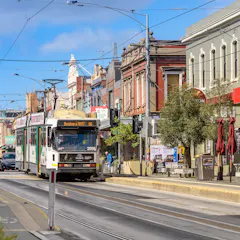
The inner cities of Australia’s major state capitals are failing to meet the needs of families in terms of space, amenities and affordability.

From cobbled laneways to grand buildings, bluestone has a long history in Melbourne – one that starts millions of years ago.
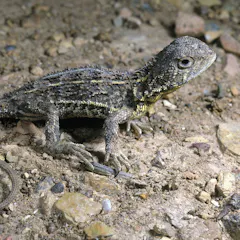
The Victorian grassland earless dragon may well be the first lizard species driven to extinction on Australia’s mainland. But conservationists aren’t ready to declare it dead just yet.
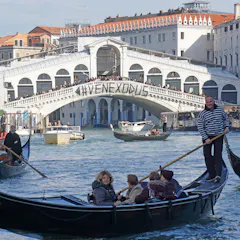
The future of tourism depends on ensuring visitors do not wear out their welcome. Giving locals more of a say in tourism can help ensure they share in the benefits and minimise the costs.
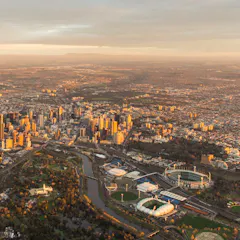
State and local governments can’t do much about the rapid population growth in Melbourne, but they can take steps to reduce the costs of growing disparities between the outer suburbs and inner city.
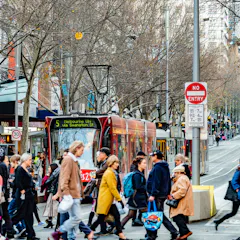
A newly released ten-year plan for Melbourne aims for fewer cars, safer streets and more shared spaces. A significant amount of parking and road space would be reallocated to walking and cycling.
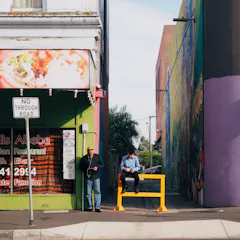
Footpaths are a valuable space for everyday social activity, but their role is often overlooked. In increasingly dense urban areas such as Footscray, footpaths are essential public spaces.
Top contributors
-

Research associate, The University of Melbourne
-
Professor, Director of Research, Nursing and Midwifery, Monash University
-
Senior Research Fellow, Healthy Liveable Cities Group, Centre for Urban Research, RMIT University
-
Professor of Biostatistics and Epidemiology, Adelaide University
-
Professor of Urban Planning, The University of Melbourne
-
Professor, Director Australian Urban Observatory, Centre for Urban Research, RMIT University
-
Associate Principal Research Fellow, Burnet Institute
-
Senior Lecturer in Urbanism, University of Sydney
-
Housing Policy Researcher, Expert Advisor, Housing Assessment Resource Tools and Adjunct Professor, L’Université d’Ottawa/University of Ottawa
-
Chair in Epidemiology, Deakin University
-
Adjunct professor, School of Media and Communications, RMIT University
-
Associate Professor in Food Systems, The University of Melbourne
-
Senior Lecturer in Journalism, Monash University
-
Professor of Nursing and Health Services Research, University of Newcastle
-
Professor of International Planning, Centre for Urban Research, RMIT University