
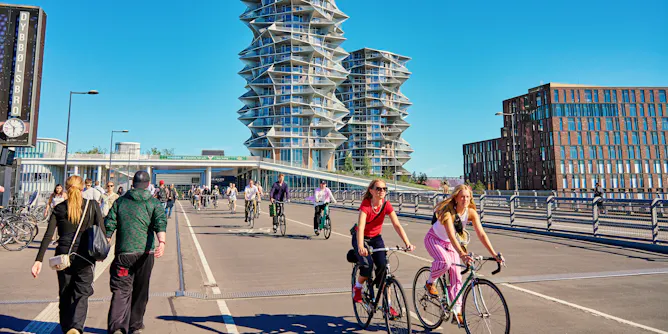
Our ranking covers over 100 metrics in 183 cities spread across 93 countries.
Articles on Liveable cities
Displaying 1 - 20 of 82 articles
Two recent research documents provide a substantial basis for assessing how the draft policy shapes up and identifying where it falls down.
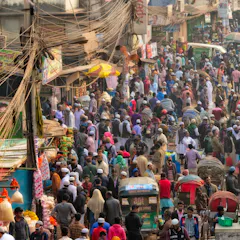
What makes a city workable to many people is access to informal labour markets, cheap travel options, flexible housing and rental arrangements.

In parts of Sydney, families occupy half the apartments and many value their convenient location. Yet, despite a surge in development, most apartments are one or two bedrooms and not family-friendly.

Hosting the Games has seem Birmingham dotted with new infrastructure and amenities. But the city’s pioneering transformation began over a 100 years ago.
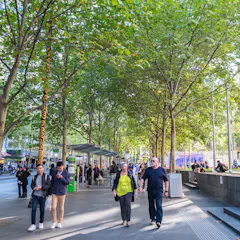
Australia’s big cities have grown rapidly and strains are showing. Yet the state of the urban environment has been rated good and stable due to local and state responses to these challenges.

Two reports — from think tank A New Approach and ex-Grattan Institute director John Daley — say Australian art and culture hasn’t advocated for itself effectively. But we need to try something new.
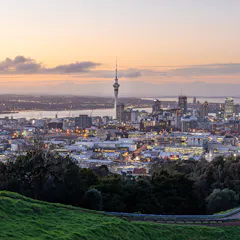
Auckland has risen to the top of a global liveable cities survey on the back of the country’s pandemic response. But that’s not the full picture.

A global study of 117 cities finds Australian capitals have fairly poor access by car. Public transport, cycling and walking access is better than in the US, but not as good as in Europe and China.
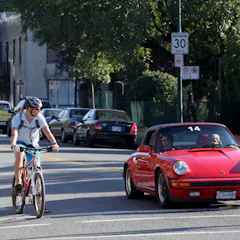
Cities around the world are reducing traffic speeds and improving access to local services and activities by public transport, cycling and walking. They are now reaping the many ‘slow city’ benefits.
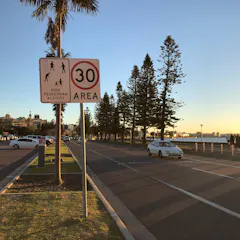
The push for 30km/h speed limits is not about revenue-raising or anti-cars. Even a seemingly small decrease from 40km/h to 30km/h makes a huge difference to the safety and liveability of local streets.
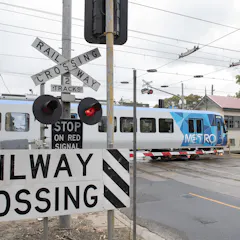
The pervasive impacts of infrastructure projects on public health are often overlooked. New research is teasing out the many ways Melbourne’s level-crossing removals will affect people’s health.

Walking all parts of Melbourne before and after the pandemic hit was eye-opening. It brought home just how much change is possible if we wish for a better, more sustainable way of living.
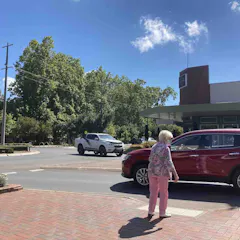
If Australia created more age-friendly neighbourhoods — which really are more liveable for everyone — then we wouldn’t have to rely so heavily on underfunded, substandard aged-care homes.
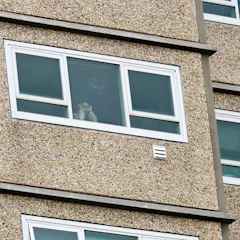
The differences in sentiment in areas of high and low neighbourhood amenity have been clear under Melbourne’s tough COVID restrictions. It’s further evidence of the impacts of inequity on well-being.
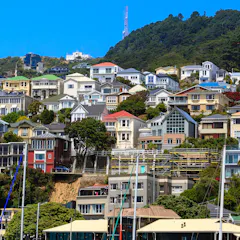
Proposals to improve the capital’s urban design and density must also take account of the city’s unique streetscapes.
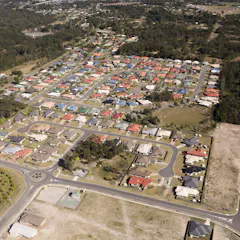
Australia lacks a coherent national approach to planning where settlement and growth happens. It’s time to take stock of our cities and regions and work together to improve outcomes across the nation.
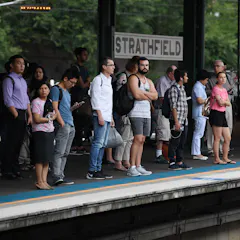
The change in our behaviour in response to COVID-19 has created an opportunity to build on this moment and transform our local neighbourhoods into vibrant mixed-use centres of activity.
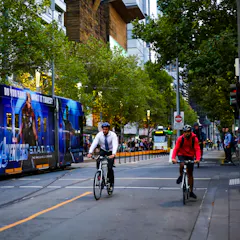
Before the pandemic, the country was making great strides towards creating more compact, sustainable and liveable cities.

We are all finding out about neighbourhood liveability as we stay home for the coronavirus lockdown. What we learn about local strengths and weaknesses can help us improve our communities in future.
Top contributors
-

Senior Research Fellow, Healthy Liveable Cities Group, Centre for Urban Research, RMIT University
-
Distinguished Professor and Director, Urban Futures Enabling Capability Platform, and Director, Healthy Liveable Cities Group, RMIT University
-
Professor, Director Australian Urban Observatory, Centre for Urban Research, RMIT University
-
Research Officer, Healthy Liveable Cities Group, Centre for Urban Research, RMIT University
-
Associate Professor in Urban and Regional Planning, University of Sydney
-
Postdoctoral Research Fellow, Centre for Urban Research, RMIT University
-
GIS Analyst, Centre for Urban Research, RMIT University
-
Director, Melbourne Sustainable Society Institute, The University of Melbourne
-
Adjunct Associate Professor, South Western Sydney Local Health District
-
Research Fellow, Centre for Urban Research, RMIT University
-
Senior Lecturer in Environmental Management, University of Tasmania
-
Senior Lecturer in Public Health, Victoria University
-
Research Fellow in Urban Studies, RMIT University
-
Paul James is a Friend of The Conversation.
Professor of Globalization and Cultural Diversity, Western Sydney University
-
Professor of Planning, School of Built Environment, UNSW