
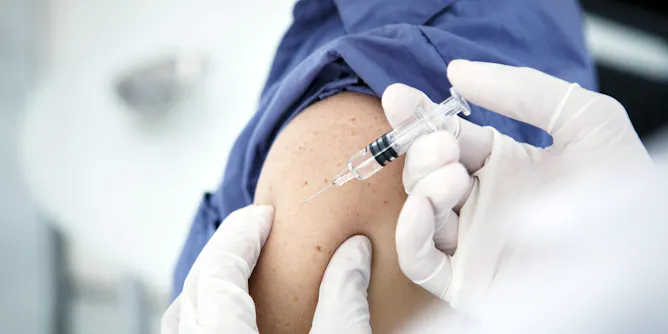
Deliberately infecting people with a disease-causing agent as part of carefully considered medical research can be ethically acceptable or even necessary.
Articles on Medical research
Displaying 81 - 100 of 243 articles

Medical research has a dark history of human experimentation in Nazi Germany. And we’re still uncovering the extent of the horrors.
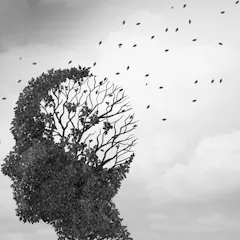
Research milestones in the study of memory may help us find solutions to memory disorders like Alzheimer’s or recovery from brain trauma.

The Gila monster gave humans a treatment for diabetes. What other medical miracles are we losing by failing to protect wildlife and ecosystems?

Questions abound about whether the scientist who created the first gene edited human beings took shortcuts in the ethical oversight process. But pedantically focusing on protocol misses the point.
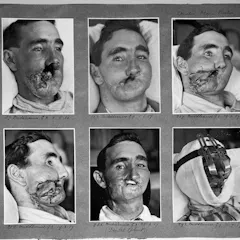
Medical advances were the only positive things to come out of the Great War.

Once associated with mind-control experiments and counter-cultural defiance, psychedelics now show great promise for mental health treatments and may prompt a re-evaluation of the scientific method.

If we want My Health Record data to be made available for medical research we need to make it opt in, not opt out. We’ll have a smaller dataset, but at least it will be ethically defensible.

Koro is widely believed to be a culturally localised delusion. But a theory that it’s a fight-or-flight reflex might be corroborated by studying traditional healing treatments in Indonesia.

Data ethics should pay much more attention to the social value of research

The journal initially only published articles by European physicians. But in the 20th century a number of Indonesians, who became founders of respected medical institutions, published there too.

Non-use of data may be an even bigger problem that its misuse.

Many cities could learn from Dundee, which overcame industrial decline to become a UNESCO City of Design, with a shiny new cityscape to match
In medical training and practice, gender differences have at last become a vital part of diagnosis and treatment.

There’s more to Tourette syndrome than swearing and shouting. Over the last several years, many life-altering treatments of this tic disorder have become available to patients and their families.
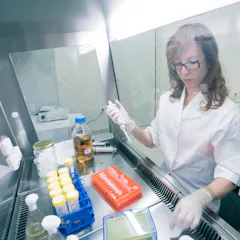
Australian medical researchers are under intense pressure to find funds to continue their research, and there is some optimism that the latest NHMRC funding changes will help.
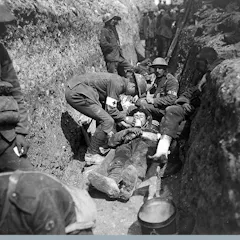
When commemorating our troops, doctors and nurses this Anzac Day, consider also tipping your hat to the discovery of bacteriophages. In the post-antibiotic era, our health might just depend on them.
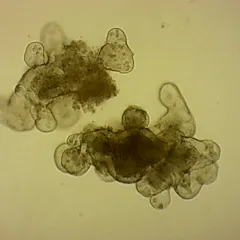
In the future, drugs will be tested on organoids – three-dimensional organ-parts grown in a dish.
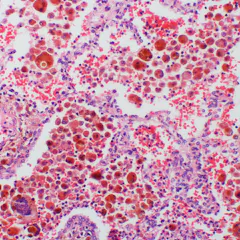
Most people know they can donate their organs after they pass away. But what about their medical data? For National Donor Day, we suggest countries create national databases of data donors.

Lowering the threshold for FDA approval and feeding the agency less rigorous information will increase the likelihood of approvals of unsafe or ineffective drugs and devices.
Top contributors
-

Chief Executive, CSIRO
-
Emeritus Robert Reford Professor and Professor of Medicine, McGill University
-
Visiting Professor UNSW, UNSW
-
Senior Lecturer in Ethics and Professionalism, Adelaide University
-
Professor of Health Economics, Duke-NUS Medical School
-
Associate Professor, Public Health Ethics, School of Population Health, UNSW
-
Chancellor, Monash University
-
Secretary-General, International Human Frontier Science Program Organisation; Emeritus Professor, Monash University, Monash University
-
Professor of Clinical Neuropsychology, University of Cambridge
-
Principal Research Fellow, Australian Research Centre in Sex, Health and Society, La Trobe University
-
Professor and Chair, Department of Immunology, Monash University
-
Senior Research Fellow; Rheumatology Research Group, Centre for Inflammatory Diseases, Monash University
-
Professor of Statistics, Queensland University of Technology
-
Geneticist and Group Leader, The John Curtin School of Medical Research, Australian National University
-
Associate Professor, Epidemiology, Deakin University