

Some face masks now come with a coating of graphene, a substance that can kill microbes. Is it safe to breathe it in?
Articles on Medical research
Displaying 61 - 80 of 243 articles

Medical research to benefit people is first conducted in animals. Creating a new biomedical model by inserting human immune cells into pigs may lead to new insights and treatments.

The lack of recognition of sex differences in biology and medicine is a huge issue science has only recently begun to rectify.

Canada has produced Nobel Prize winners in the arts and sciences. With several recent awards, Canadian talent still has the potential for future achievements.

While COVID-19 has highlighted the invaluable nature of medical research, it has unfortunately also seriously disrupted it. In Australia, the sector now teeters on the brink of collapse.
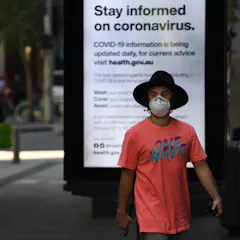
Face masks work well to stop the spread of diseases like coronavirus in the lab, but in the real world they seem to be less effective.

No-one wants our children to be used as research guinea pigs. High standards of ethical oversight are needed to ensure no child is exposed to possible harm.

Many published studies fail to fully and accurately report how the study was conducted and what was found.
The Lancet launched an independent investigation but ran into resistance from the institution, which refused to disclose the raw data, forcing the journal to retract the article.
The only way to know if a medical treatment actually works is with a randomized-controlled trial.
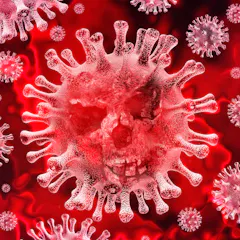
Previous and current research on coronaviruses helps inform the response to the current pandemic, but funding cuts could threaten these programs.

We found that one of the most widely used tests does not come up to scratch.
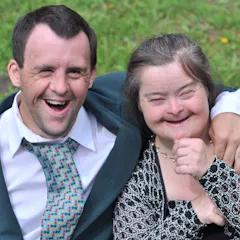
World Down Syndrome Day is marked on March 21 annually. Canadian scientists have helped improve the quality of life of those affected.
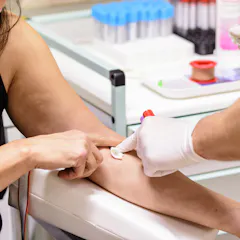
Babies in Australia have been vaccinated against hepatitis B since May 2000, but 240,000 Australians still live with the disease.

Wondering if that latest study finding is too good to be true, or whether it’s as bad as we’re told? Here are five questions to ask to help you assess the evidence.

Most medical research is funded by industry, not public sources. And industry puts pressure on researchers in many ways, from guiding the research question to suppressing unfavourable findings.

Researchers are looking for ways to determine who’s most at risk for dementia and also ways to detect it early. A scientist who has studied low blood pressure makes a case for a link between the two.

From cutting-edge research, to public education, journalism and even schoolkid scientists, Australia’s best science was on display at the annual Eureka Prizes.

Long-term or historical use of oral contraceptives may lead to an increased risk of depression in later years; understanding the risk will better inform the decision whether or not to take the pill.
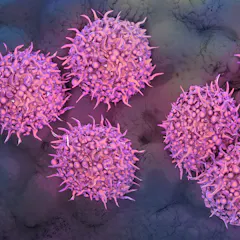
Thomas Durcan’s lab is growing 3D mini-brains in the search for a cure for Parkinson’s disease. Over the next year he is giving all his lab’s protocols, methods and results away.
Top contributors
-

Chief Executive, CSIRO
-
Emeritus Robert Reford Professor and Professor of Medicine, McGill University
-
Visiting Professor UNSW, UNSW
-
Senior Lecturer in Ethics and Professionalism, Adelaide University
-
Professor of Health Economics, Duke-NUS Medical School
-
Associate Professor, Public Health Ethics, School of Population Health, UNSW
-
Chancellor, Monash University
-
Secretary-General, International Human Frontier Science Program Organisation; Emeritus Professor, Monash University, Monash University
-
Professor of Clinical Neuropsychology, University of Cambridge
-
Principal Research Fellow, Australian Research Centre in Sex, Health and Society, La Trobe University
-
Professor and Chair, Department of Immunology, Monash University
-
Senior Research Fellow; Rheumatology Research Group, Centre for Inflammatory Diseases, Monash University
-
Professor of Statistics, Queensland University of Technology
-
Geneticist and Group Leader, The John Curtin School of Medical Research, Australian National University
-
Associate Professor, Epidemiology, Deakin University