
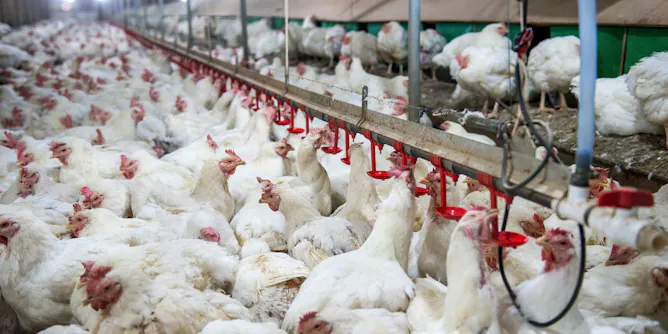
Victorian Britain laid the foundations for today’s overconsumptive meat industry. Might it also show us a way out?
Articles on Meat
Displaying 121 - 140 of 204 articles

Looking after animals and saving the planet sounds like a good idea. But getting there is not as simple as a some people seem to imagine.
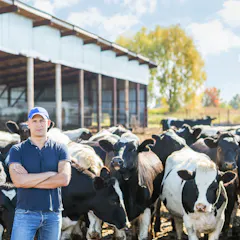
Farmers are closest to the land and their livestock, and have everything to lose by not taking care of it.

Vegeterian and vegan food is often marketed as close enough to meat that you can hardly tell the difference. This devotion to mimicking meat stifles creative alternatives to Christmas dinner.
As societal habits change so too does language and metaphors.

The truth is hard to stomach, but meat consumption is taking us towards global ecocide.
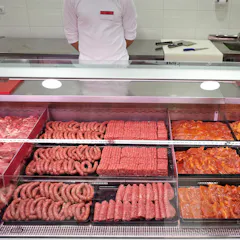
How a price-hiking “meat tax” could prevent 220,000 deaths and save more than US$40 billion in health care costs around the world every year.

Eating meat damages the environment and has been linked with higher risk of disease, but you don’t have to go vegan to make a difference to your health and the planet.

A new study indicates almost a third of Canadians are thinking of eating less meat, but men are less likely to eschew meat. The livestock industry is fighting the protein wars.
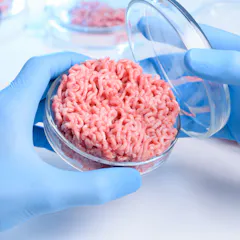
As the number of companies growing meat in vats explodes, the sector is facing challenges that show it is coming of age.
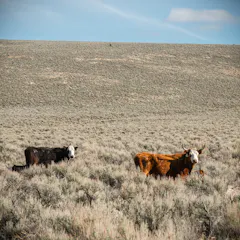
Raising livestock has clear impacts on the environment, but contrary to what many critics say, it is not the biggest driver of climate change.
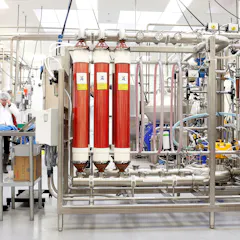
Despite many claims, nobody knows for sure how the environmental footprint of lab-grown meat compares to livestock. An animal scientist says the issue is not black and white.
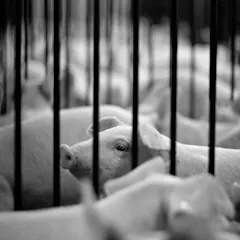
Nearly half the eggs sold in Australia are free-range, but only 5% of pork comes from pigs raised outdoors.
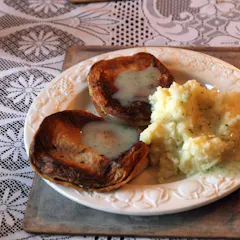
The closure of a London pie shop raises questions regarding the relationship between food and identity.
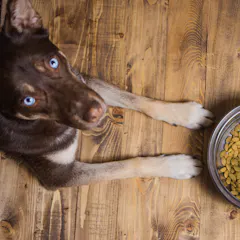
As omnivores, dogs should be able to adapt well and manage on well prepared commercially available vegetarian diets as long as the essential nutrients they would normally get from meat are present.
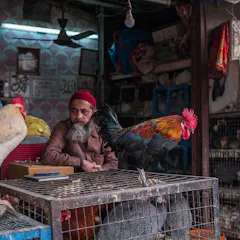
India doesn’t eat much meat per capita, but that might be changing: it’s the fastest-growing poultry market in the world.
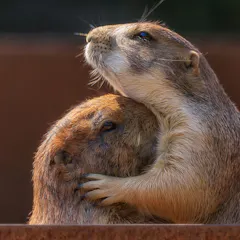
A growing body of evidence points to how animals are aware of death, can experience grief and will sometimes mourn for or ritualize their dead.

Cultured meat comes from cells in a lab, not muscles in an animal. While regulatory and technological aspects are being worked out, less is known about whether people are up for eating this stuff.

There have been an increasing number of reported anti-meat incidents around the world as more consumers second-guess their relationship with animal proteins. How can the meat industry adjust?
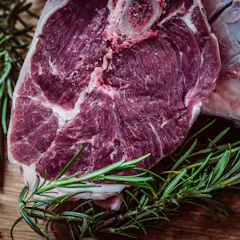
Farming methods may have a small impact on the nutritional profile of some red meats, but it’s unlikely to make a difference to our health.
Top contributors
-

Laureate Professor in Nutrition and Dietetics, University of Newcastle
-
Professor, Food Economics, University of Guelph
-
Director, Agri-Food Analytics Lab, Professor in Food Distribution and Policy, Dalhousie University
-
Honorary Research Associate, Department of Psychology, University of Bath
-
Senior Researcher on Environment and Health, University of Oxford
-
Professor, Dept of Food, Agricultural and Resource Economics, University of Guelph
-
Program Director of Nutrition and Food Sciences, Accredited Practising Dietitian, Adelaide University
-
Professor of Sustainability, Curtin University
-
Lecturer in Social Psychology, Lancaster University
-
Professor, Sustainable Food Systems, Dalhousie University
-
Professor, School of Veterinary Science, University of Sydney
-
Senior research associate, University of Technology Sydney
-
Visiting Research Fellow in Philosophy, University of Hertfordshire
-
Senior Lecturer in Science Communication, The University of Western Australia
-
Professor and Chair of Philosophy, Wageningen University