

The Noril’sk nickel deposits In Russia are unique: giant volcanic eruptions 250 million years ago released colossal amounts of nickel into the atmosphere, kickstarting the Great Dying.
Articles on Mass extinctions
Displaying 61 - 80 of 83 articles
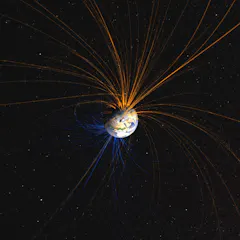
A geomagnetic reversal may have a severe impact on humans.
The jury is in and the debate is over: Earth’s sixth great extinction has arrived.
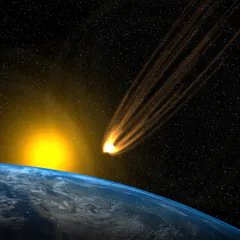
Large asteroid hits on Earth have the potential to wipe out humanity so knowing how to detect and deflect them is vital. But we know very little about the interior make up of many asteroids.
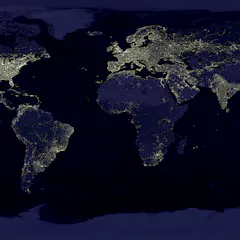
Human activity doesn’t just reduce biodiversity – new research explores how we are continually creating new species and ecosystems, too.
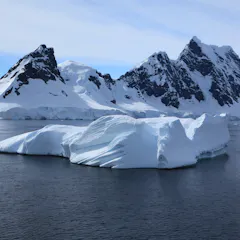
New study supports the idea that an asteroid, rather than climate changes, caused the mass extinction that wiped out the dinosaurs.
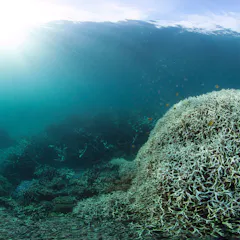
Carbon dioxide is rising faster than any time in the past 66 million years. Rapid rises in the past have been linked to mass extinctions.
Why we won’t see a Planet of the Apes when humans are gone.
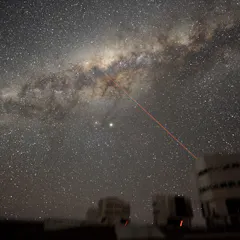
A cosmological event could have unleased the huge comet or asteroid that led to the demise of the dinosaurs.
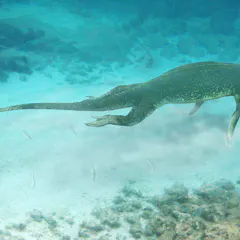
A fall in vital trace elements in our oceans could be one of the driving forces behind a number of mass extinction events during Earth’s history.
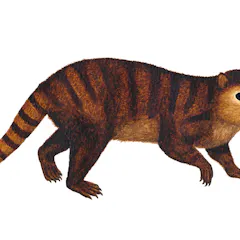
When the asteroid struck the dinosaurs departed, leaving the planter
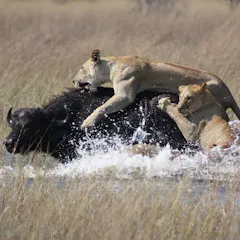
Being big – larger than a dog – increases the risk of being wiped out in a mass extinction.
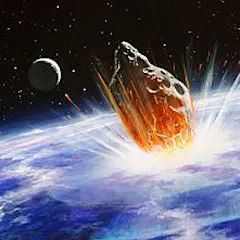
With most species out of the way, remaining plants and animals rush to evolve into the ecological gaps.
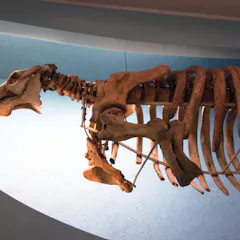
Analysis of extinction rates over the past centuries shows that humans are causing the sixth mass extinction in the history of the Earth.
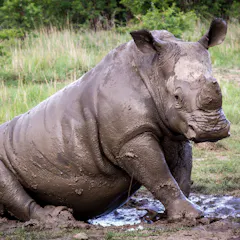
Even if humans survive the planet will never be the same again.

Humans have wiped out 13% of the world’s plants and animals species, according to a new study.
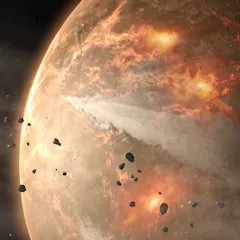
The largest meteorite impact site in the world may be right here in central Australia.
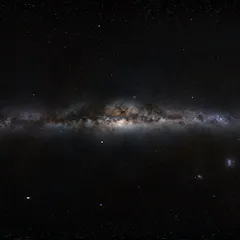
Every 30 mil years, Earth has to deal with more comet crashes from space and more intense geological activity from within. Dark matter may be the culprit in these episodes that can cause mass extinction.
The latest climate projections released last week by the Bureau of Meteorology and CSIRO predict that Australia could potentially warm by between 2.8C and 5.1C by 2090. Meanwhile, the 2014 State of the…
Today, many zoos promote the protection of biodiversity as a significant part of their mission. As conservation “arks” for endangered species and, increasingly, as leaders in field conservation projects…
Top contributors
-

Adjunct professor, UNSW
-
Senior Lecturer in Paleontology and Evolutionary Biology, Life Sciences at the University of Bath, University of Bath
-
Professor of Evolutionary Palaeobiology at the Milner Centre for Evolution, University of Bath
-
Distinguished Research Professor and Australian Laureate, James Cook University
-
Palaeoenvironmental Scientist, University of Hull
-
Assistant Professor in Palaeontology, Trinity College Dublin
-
Matthew Flinders Professor of Global Ecology and Node Leader in the ARC Centre of Excellence for Indigenous and Environmental Histories and Futures, Flinders University
-
President, Center for Conservation Biology, Bing Professor of Population Studies, Stanford University
-
Assistant Director of the Global Systems Institute, University of Exeter
-
Professor in Particle Cosmology, Lancaster University
-
Professor of Biology, New York University
-
Associate Professor in Animal Ecology, University of Gothenburg
-
Adjunct Associate Lecturer, School of Biological Sciences, The University of Queensland
-
ARC Laureate Professor, The University of Melbourne and James Cook University, The University of Melbourne
-
Distinguished Professor of Geology, University of Tasmania