
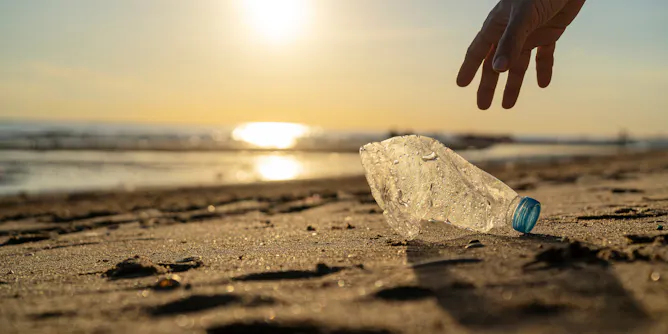
A CSIRO study has found 39% less plastic pollution in and around Australian coastal cities over ten years. It also found more places with no rubbish at all.
Articles on Marine plastic pollution
Displaying all articles
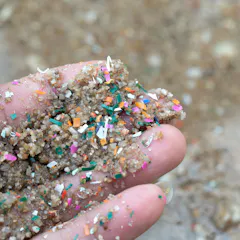
We know some marine microbes produce enzymes that can break down certain types of plastics. But new research found areas of high plastic pollution don’t show high concentrations of these enzymes.
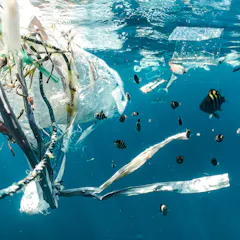
Promoting small actions, such as reducing plastic use, can be a useful entry point for other actions around climate change. It’s an example of ‘positive spillover behaviour’.

Normally land-bound pathogens that cause deadly diseases for both humans and animals can cling to microplastics and end up in your seafood.

Litter hotspots were associated with socioeconomic factors such as a concentration of built infrastructure, less national wealth and the level of lighting at night.
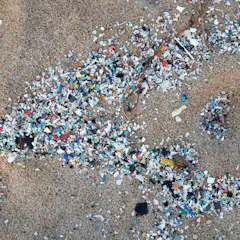
New research suggests that an effective way to locate and track large concentrations of microplastics in the ocean could be from high in the sky.
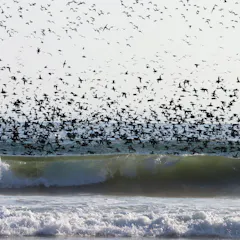
Seabirds journey vast distances across the Earth’s seascapes to find food and to breed. This means their biology, particularly their breeding success, can reveal what’s happening in our oceans.
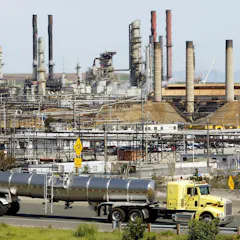
As global oil consumption drops, oil companies are pivoting to petrochemicals, and could crowd out bio-based alternatives.

The grisly discovery of a disembodied foot on a NSW beach was a tragic twist in the mystery of missing woman Melissa Caddick. Such tragedies can also reveal hidden currents connecting the planet.

Increasing plastic pollution in southern hemisphere oceans adds a deadly threat to albatrosses, already among the world’s most imperiled seabirds with 73% of species threatened with extinction.
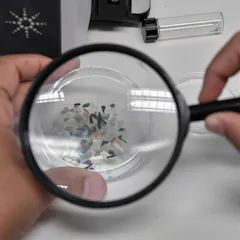
As more and more plastic trash permeates the oceans, fragments are making their way into fish and shellfish – and potentially into humans.
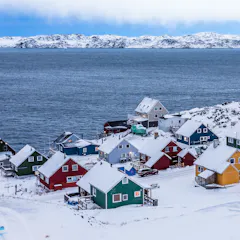
Microplastic pollution is a global issue, but where do they come from and how are they transported across the ocean? A new study finds polyester microfibres are common throughout the Arctic Ocean.
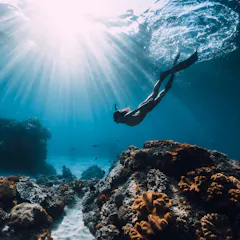
The Pacific Ocean produces oxygen, helps regulates the weather, provides food and livelihoods. It’s a place of fun, solace and spiritual connection. But its delicate ecology is under threat.
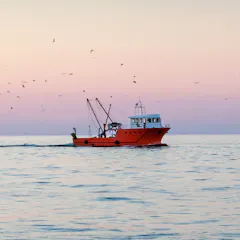
An international agreement has set an ambitious deadline for action on some of the biggest problems facing the world’s oceans.
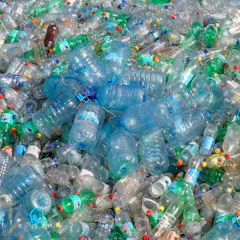
Life-cycle assessments of food packaging often omit the impact and possible toxicity of plastics leaking into the environment. Excluding these factors gives plastics an unjustified advantage.
Top contributors
-

Senior Principal Research Scientist, Environment, CSIRO
-
ARC DECRA Fellow, Institute for Marine and Antarctic Studies, University of Tasmania
-
Postdoctoral fellow, James Cook University
-
Lecturer, School of Agriculture and Food Science & Centre for Biodiversity and Conservation Science, The University of Queensland
-
Senior Associate at the Institute of Governance and Policy Studies, Te Herenga Waka — Victoria University of Wellington
-
Research Scientist, Stanford University
-
Professor of Climate and Space Sciences and Engineering, University of Michigan
-
Professor of Environmental Science, Stockholm University
-
PhD Candidate in Animal Behavior, University of California, Davis
-
Professor of Coastal Oceanography, The University of Western Australia
-
PhD Student in Marine Science, University of Auckland, Waipapa Taumata Rau
-
Professor of Marine Biology, James Cook University
-
Veterinary researcher, University of California, Davis
-
Professor in Oceanography, UNSW
-
Research fellow, Oceanography, The University of Western Australia