
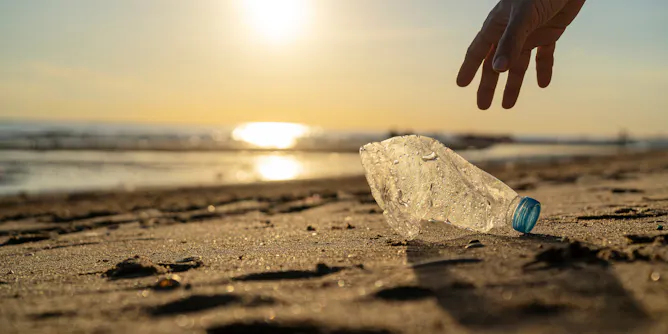
A CSIRO study has found 39% less plastic pollution in and around Australian coastal cities over ten years. It also found more places with no rubbish at all.
Articles on Marine debris
Displaying all articles
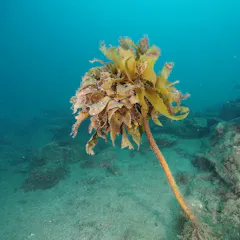
New findings suggest animal-mediated plant reproduction might have originated in the ocean.

Litter hotspots were associated with socioeconomic factors such as a concentration of built infrastructure, less national wealth and the level of lighting at night.
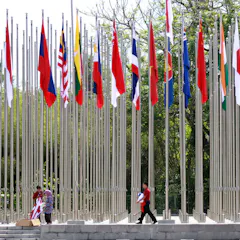
The countries of the ASEAN region have important roles to play in tackling the global problem of marine plastic waste.
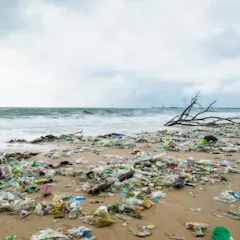
Indonesia is struggling to keep its waste from the oceans. The government has announced ambitious plan to curb plastic waste. However, lack of research to support the policy.
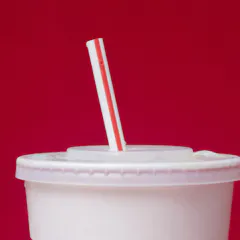
Governments need better information on which types of plastic generate the most pollution — citizens can help.
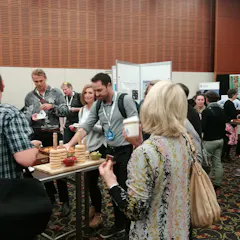
This year’s national conference of the Australian Marine Science Association is a plastic-free zone, as marine scientists aim to reduce the environmental burden of throwaway plastic.
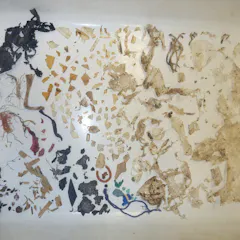
Autopsies of 1,000 turtles washed up on Australian beaches paint a grim picture of the impact of plastic debris. Even a single piece can be deadly, and on average 14 pieces equals a 50% fatality rate.
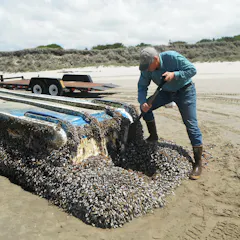
As well as thousands of deaths and huge destruction, Japan’s 2011 tsunami carried potentially invasive species en masse across an entire ocean.
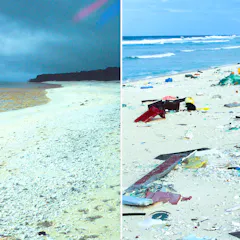
After making worldwide headlines with the story of the Pacific “garbage island”, researchers were sent a photo of the same beach, white sand free of litter, as recently as 1992.
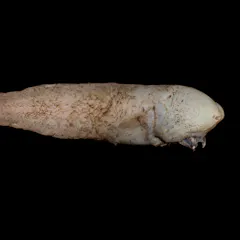
Surveying the bottom of the ocean turns out to be far from easy. But there was something wonderful about seeing animals we have only read about in old books.
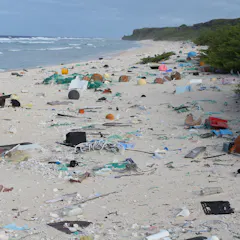
Plastics pose a major threat to seabirds and other animals, and most don’t ever break down - they just break up. Every piece of petrochemical-derived plastic ever made still exists on the planet.
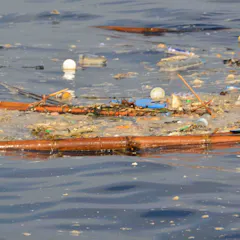
A new documentary highlights the plight of marine animals living among the estimated 5 trillion pieces of plastic rubbish generated by humans.
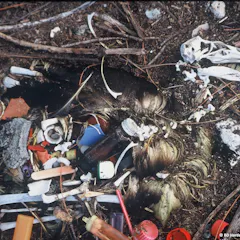
By 2050, 99% of the world’s seabird species will be accidentally eating plastic, unless we take action to clean up the oceans. And some of the highest risk to wildlife is in the Southern Ocean off Australia.
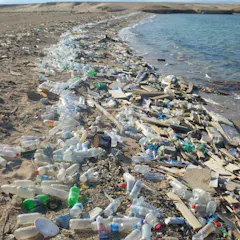
Most of us have littered at one time or another, and in the process we probably contributed to the enormous of amounts of plastic that enter the ocean every year, eventually ending up in one of the five…
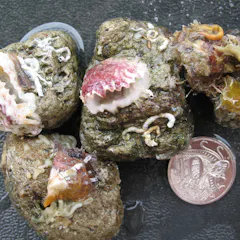
Historically, geographically, culturally – there are many points of comparison between Australia and its neighbour to the east, New Zealand. But there are notable differences. This week, The Conversation…
Green turtles are swallowing twice as much plastic as they were 25 years ago, according to a study from the University of…
Top contributors
-

Senior Principal Research Scientist, Environment, CSIRO
-
Senior Principal Research Scientist, CSIRO
-
Professor in Oceanography and Public Engagement, Utrecht University
-
Lecturer and Marine Reseacher, Universitas Padjadjaran
-
Lecturer in Ornithology, Charles Sturt University
-
Senior Lecturer in Animal Ecology, University of the Sunshine Coast
-
Senior Conservation Scientist, Royal Society for the Protection of Birds
-
Director, Securing Antarctica's Environmental Future and Professor of Biological Sciences, Monash University
-
Phd Candidate, Evolution and Ecology Research Centre, UNSW
-
Adjunct Research Fellow, The University of Western Australia; Queensland University of Technology
-
Senior Research Fellow, School of Biological Sciences and Oceans Institute, The University of Western Australia
-
Business Support Manager, UWA Oceans Institute, The University of Western Australia
-
Research Scientist, Southern Cross University
-
Professor of Marine Ecology and Aquaculture, Southern Cross University
-
Adjunct Professor, Southern Cross University and Associate Professor, School of Biological Sciences, The University of Western Australia