
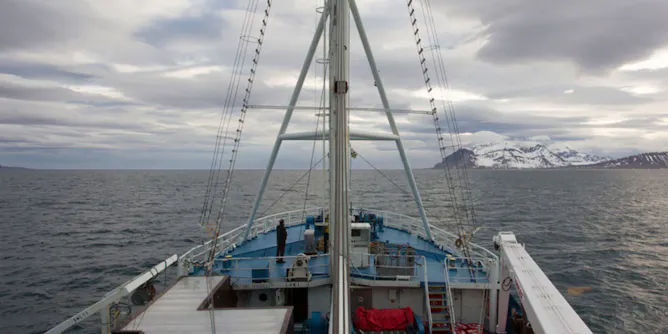
The UN’s Ocean Decade demands collaborative action across disciplines, nations, communities, and generations, and its success relies on diverse voices that represent current and future ocean leaders.
Articles on Marine biodiversity
Displaying 41 - 60 of 80 articles
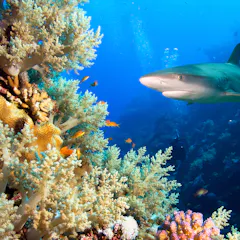
Climate change has already made tropical oceans too hot for some marine species to survive. As they flee towards the poles, the implications for ecosystems and human livelihoods will be profound.
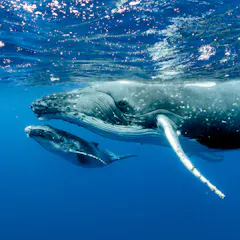
Australia is considering removing humpback whales from the threatened species list after their numbers rebounded in recent decades. But the mammals face new threats.
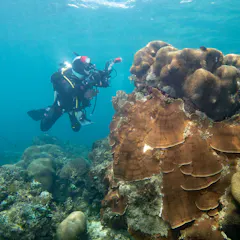
I helped survey coral reefs in Norfolk Island for the first time in eight years, and snapped marine life we didn’t expect to see there.
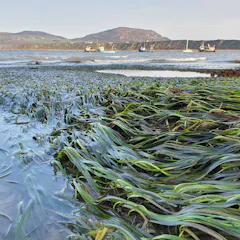
Seagrass meadows are a powerful ally in the effort to slow climate change and reverse wildlife losses.
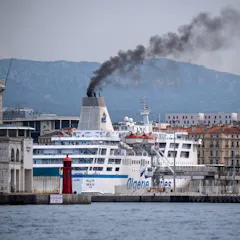
The Mediterranean region, with its biodiversity, climate, demographics, and economic activities such as tourism, agriculture and fisheries, is particularly vulnerable to environmental risks.
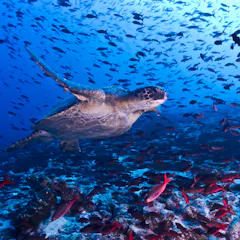
Marine protected areas will be important for achieving the ocean Sustainable Development Goals.
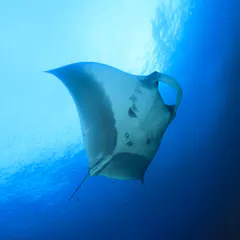
A high seas treaty could help rebuild populations – but time is running out.
There are more viruses in the ocean than stars in the Milky Way – and they’re fundamental to Earth’s biodiversity.
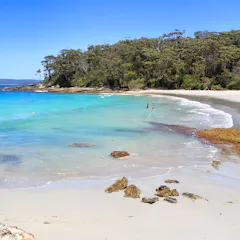
Partially protected areas don’t have more wildlife than unprotected areas. They consume conservation resources and occupy space that could otherwise be allocated to more effective protection.
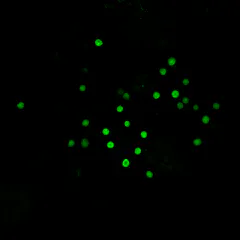
In the ocean, phytoplankton helped by diazotrophs play an outstanding role in withdrawing CO₂ from the atmosphere. But climate change is disturbing this delicate balance.
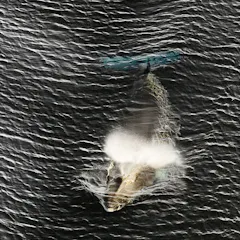
Global leaders pledged to protect 10% of the oceans by 2020. We’re nowhere close and the goal has proven particularly challenging to achieve in international waters.
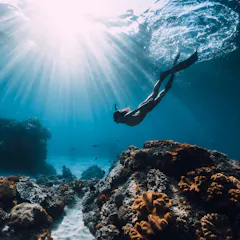
The Pacific Ocean produces oxygen, helps regulates the weather, provides food and livelihoods. It’s a place of fun, solace and spiritual connection. But its delicate ecology is under threat.
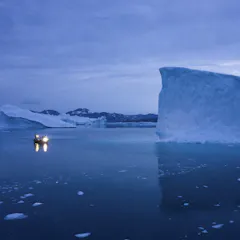
The Arctic has been a remote place for much of its history. But climate change is bringing global problems and opportunities to its door.
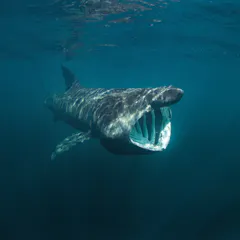
The latest research reveals basking sharks are not lone predators but rather family-minded creatures with a fancy for fine dining with their own folk.
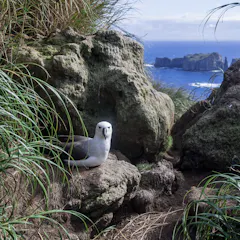
The Blue Belt is a network of marine protected areas 17 times larger than the UK.
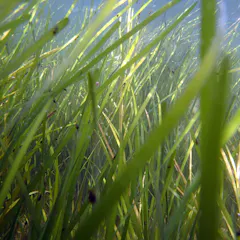
Healthy seagrasses form underwater meadows teeming with fish and shellfish. A successful large-scale restoration project in Virginia could become a model for reseeding damaged seagrass beds worldwide.
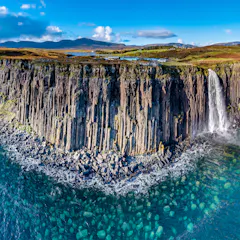
Maerl beds are the coral reefs of the British Isles. But like their tropical counterparts, they’re threatened by climate change.
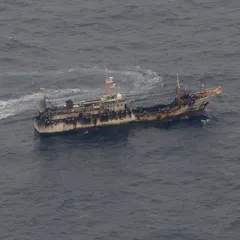
The latest incident highlights a mismatch between ocean law and marine ecosystems.

Global long-term data simply doesn’t exist for jellyfish, so scientists struggle to predict, track and mitigate their potential effects.
Top contributors
-

Professor of Comparative and Plural law, Newcastle University
-
Professor of Marine Ecology, University of Southampton
-
Distinguished Professor of Marine Science, King Abdullah University of Science and Technology
-
Postdoctoral Research Associate, University of Sydney
-
Wen Family Chair in Conservation, The University of Western Australia
-
Associate Professor in Marine Biology, Swansea University
-
Professor in Marine Biology, Nord University
-
Associate Research Faculty, Coastal and Marine Laboratory, Florida State University
-
Doctorante en neuroéthologie, Université de Caen Normandie
-
Postdoctoral Research Associate in Coral Reef Ecology, Newcastle University, Newcastle University
-
Professor of Coral Reef Ecology, Newcastle University
-
Lecturer in coastal environmental sciences and sustainable development, Uppsala University
-
Conservation Scientist, RSPB & Visiting Researcher, University of Cambridge
-
Professor and Deputy Vice-Chancellor (Research), University of Sydney
-
Chief Conservation Officer, Project Seagrass & Research Affiliate, Swansea University