
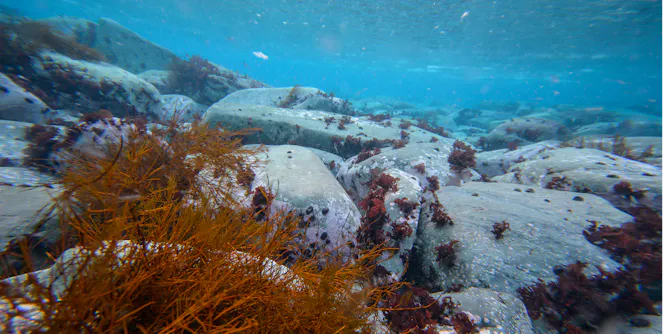
China and Russia have been blocking international plans to protect marine life in East Antarctica. Will next week’s special meeting in Chile break the deadlock? Australia hopes so.
Articles on Marine biodiversity
Displaying 21 - 40 of 80 articles
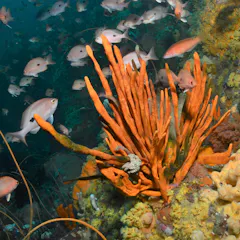
The first comprehensive audit of marine life around Australia, deploying an army of volunteer research divers alongside scientists, has revealed southern reefs are suffering the most.
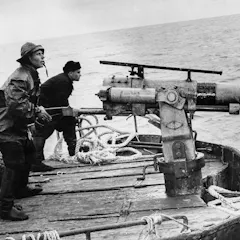
The Soviet Union was a latecomer to industrial whaling, but it slaughtered whales by the thousands once it started and radically under-reported its take to international monitors.
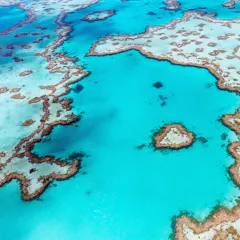
New data shows coral cover in the Great Barrier Reef is at a record high, despite a disturbing decade of marine heatwaves, cyclones and floods. While the data is robust, it can be deceptive.

The ocean is often considered a silent universe. But many recent studies highlight the importance of the soundscape for many marine species, both large and small.
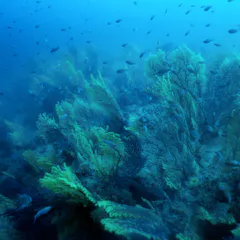
Forming tightly woven populations, these bush-like corals offer a refuge to a myriad of marine species.
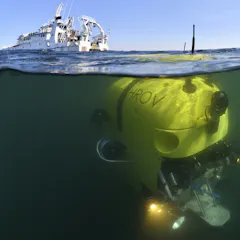
For the opening of the One Ocean Summit in Brest from February 9 to 11, 2022, France’s marine research institute looks at promising avenues of research to protect the planet’s largest ecosystem.
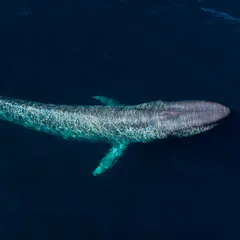
The world needs to protect 30% of the ocean by 2030. We won’t achieve this goal without using new technology to patrol and preserve marine protected areas.
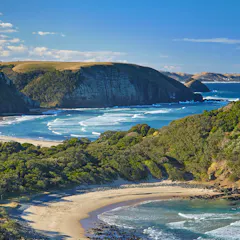
Researchers share their insights on seismic surveys in South Africa.
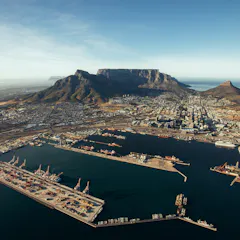
What scientists learnt from analysing alien marine organisms that hitch-hike around the world on ships and other vessels that make their way into South African shores.

We are not at risk of running out of oxygen due to climate change, but ocean creatures are – and that will harm the whole planet.
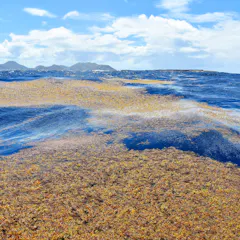
Huge blooms of brown seaweed have fouled Florida and Caribbean beaches almost every year over the past decade. They originate in Africa and South America. and are fueled by human activities.

They can open jars, use tools, remember instructions and attack on command. But they’re still not the smartest cephalopod in the sea…
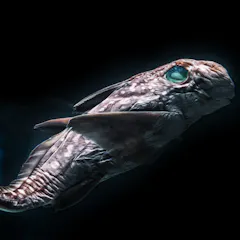
Contracts for exploring the deep sea are due to expire before a safe mining code can be agreed.
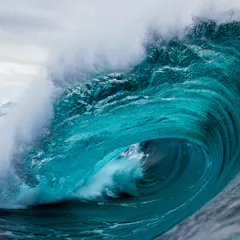
Join us for a free online discussion about the history and future of the world’s oceans.

In the design of marine protected areas, new research suggests that it might be better to start small in order to gain local trust and support that leads to larger long-term benefits.
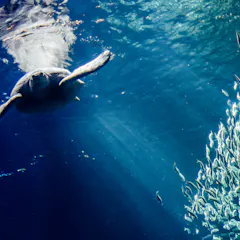
The ocean moderates climate change by absorbing CO₂ emissions, hosts valuable biodiversity and provides food to millions, but all of these services are threatened by pollution and human activities.
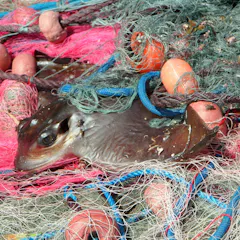
Tackling bycatch in large-scale fishing can make our seafood habit more sustainable

A study of 183 coral reefs worldwide quantified the impacts of ocean warming and acidification on reef growth rates. Even under the lowest emissions scenarios, the future of reefs is not bright.
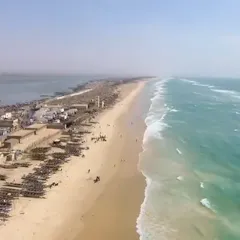
Around the world, fragile coastal ecosystems are under intense pressure, and understanding and managing their complex interactions requires an integrated and interdisciplinary approach.
Top contributors
-

Professor of Comparative and Plural law, Newcastle University
-
Professor of Marine Ecology, University of Southampton
-
Distinguished Professor of Marine Science, King Abdullah University of Science and Technology
-
Postdoctoral Research Associate, University of Sydney
-
Wen Family Chair in Conservation, The University of Western Australia
-
Associate Professor in Marine Biology, Swansea University
-
Professor in Marine Biology, Nord University
-
Associate Research Faculty, Coastal and Marine Laboratory, Florida State University
-
Doctorante en neuroéthologie, Université de Caen Normandie
-
Postdoctoral Research Associate in Coral Reef Ecology, Newcastle University, Newcastle University
-
Professor of Coral Reef Ecology, Newcastle University
-
Lecturer in coastal environmental sciences and sustainable development, Uppsala University
-
Conservation Scientist, RSPB & Visiting Researcher, University of Cambridge
-
Professor and Deputy Vice-Chancellor (Research), University of Sydney
-
Chief Conservation Officer, Project Seagrass & Research Affiliate, Swansea University