
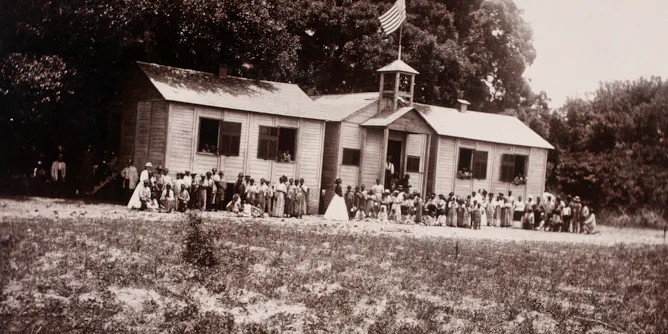
Enslaved people were not just enslaved physically, but mentally as well. as widespread laws in the South barred enslaved people from receiving an education.
Articles on Literacy
Displaying 21 - 40 of 328 articles
Growing old isn’t always easy. But new research suggests staying curious and social may help you age well.
Reading is arguably the most difficult task one must learn. To understand why it is difficult, one must understand the physiology of reading.
Functional literacy describes the skills needed for everyday life in our complex society. Improving it for adults may be Australia’s biggest challenge.
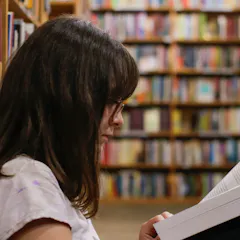
What happened to the groundbreaking centre that ran Australia’s only national teen-voted awards for teen literature and hosted a lively online community?
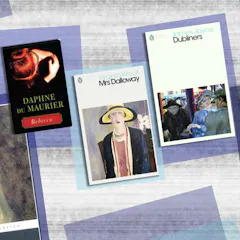
Many literary masterpieces are long and wordy, But reading them can bring surprising benefits, beyond sheer pleasure. Here’s how to tackle the classics.
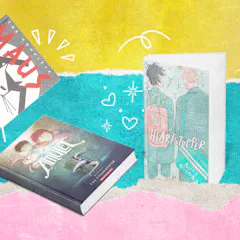
A common question goes something like: how do I get my child to read something other than comics or graphic novels? But the answer might be: you don’t have to.
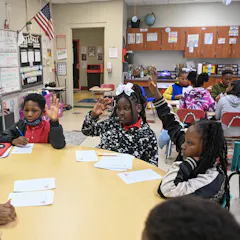
While these Southern states made some gains in reading, they weren’t evenly felt across different student populations.

There are many literacy textbooks available but no clear way to determine which ones are the best – and most likely to turn kids into better readers.
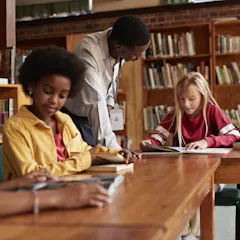
Well-designed school library policies make space for community feedback while preserving intellectual freedom.

New research shows that parents who read to their 6- to 8-year-olds nightly boost their children’s creativity and empathy.

Reading comprehension scores are tanking, and fewer Americans are picking up books. But practicing deep reading can help you process content more carefully and keep you from falling for misinformation.

Time spent reading together builds a bond between adults and children.
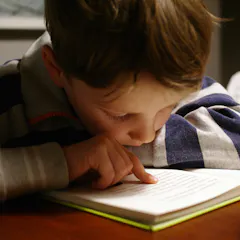
While Alberta says Bill 6 will strengthen early literacy, the plan doesn’t measure the broader skills essential for reading success by Grade 4.

A new study looked at interventions aimed at improving reading skills in students between Year 4 and Year 12.

Research suggests teaching typing and word processing skills should start in primary school, much like writing with pen and paper.
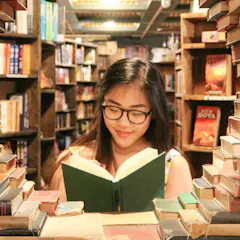
Enticing young people to read will require a concerted effort by parents, carers, teachers and public intellectuals to promote reading for enjoyment.
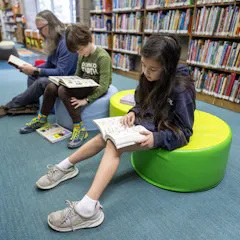
Reading achievement has been stagnant in the US for decades, raising questions about what other methods might work to help kids learn to read.
Secondary schools introduce separate subject disciplines, many of which are almost impossible to understand without the ability to read fluently.
Data from a ‘phonics check’ of new entrants is too incomplete to draw firm conclusions from, and word recognition is not the same as reading.
Top contributors
-

Professor, School of Education, University of Southern Queensland
-
Associate Professor in Language, Literacy and TESL, University of Canberra
-
Associate Professor, University of Southern Denmark
-
Professor, Werklund School of Education, University of Calgary
-
Senior Research DECRA Fellow, Institute for Learning Sciences and Teacher Education, Australian Catholic University
-
Professor of Education Futures, The University of Melbourne
-
Deputy CEO (Research), Australian Council for Educational Research
-
Professional Learning and Development Facilitator in Literacy Education, Te Kunenga ki Pūrehuroa – Massey University
-
School Education Program Director, Grattan Institute
-
Professor at the Australian Centre for the Advancement of Literacy, Australian Catholic University
-
Professor, Canada Research Chair in Determinants of Child Development, Owerko Centre at the Alberta Children’s Hospital Research Institute, University of Calgary
-
Professor of Cognitive Psychology, School of Education, La Trobe University
-
Professor in Language Education, member bua-lit collective, University of Cape Town
-
Senior Lecturer in Literacy, Edith Cowan University
-
Professor in Early Childhood Education and Community, University of Canberra