
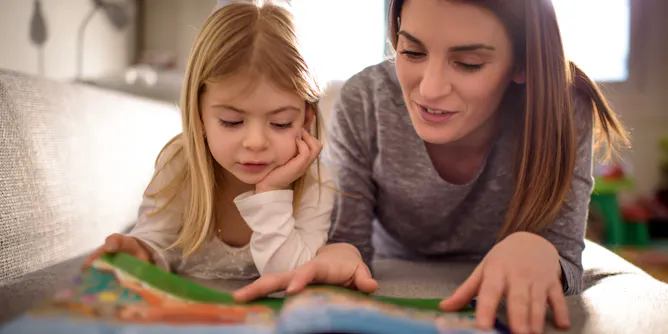
Reading isn’t natural for humans – but storytelling is. Using decades of data, my new research highlights the role of parents in encouraging a love of books long before children start school.
Articles on Literacy
Displaying 61 - 80 of 327 articles

Book Week is a time to celebrate reading and favourite characters. But not all children like to read.
My study clearly shows no long-term decline in NAPLAN results from 2008 to 2022. In 2023, they changed the way the test was organised.
Schools have been releasing individual results to families since the start of term 3. Today, we have the overall results.
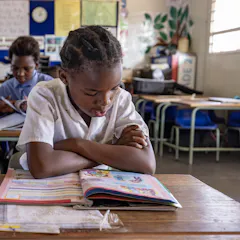
While teachers were employing the right strategies, they were not giving targeted attention to the non-readers in their classes.
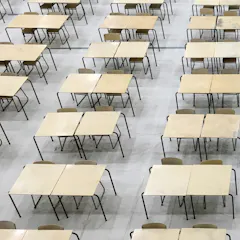
As part of a new study, Year 7 students got $20 vouchers if they reached personalised goals in their NAPLAN tests.
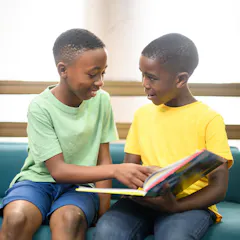
Classroom reading clubs can be a space for children to share ideas and build understanding.
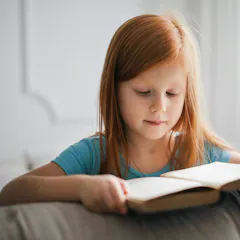
Victoria has just announced all government schools will be required to use phonics to teach reading from next year.

A book about artists that revels in its ambiguities.
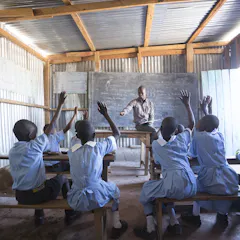
Improving school sanitation, reducing household chores, and addressing harassment and bullying could enhance girls’ reading performance relative to boys’.
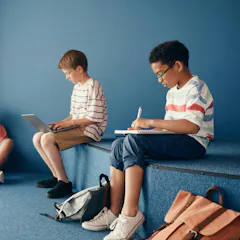
It is easy to assume students will be able to write easily and effectively using a keyboard. They are growing up surrounded by technology. But new research shows children write better by hand.
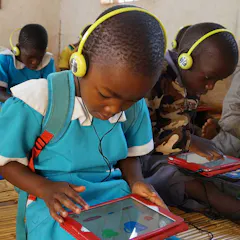
Child-directed educational technology can deliver high quality education for millions of marginalised children worldwide.

When asked, students say that touch is important in developing reading and writing skills. Research backs them up.
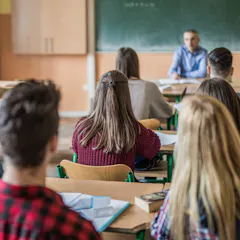
Key education policy decisions in the early 2000s have not produced the desired results. But broad bipartisan agreement is now needed to give children and teachers the greatest chance of success.

Unlike the traditional method of comparing Indigenous students with non-Indigenous students, a new approach compares Indigenous students with their Indigenous peers.
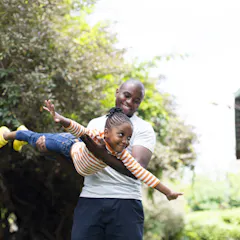
Children benefit enormously from regular, cognitively stimulating interactions with their caregivers.
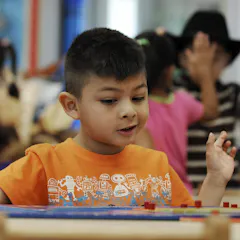
Kindergarteners’ literacy and active play are both grounded in the science of learning.
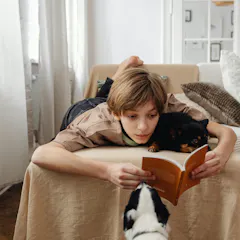
A new study has identified seven types of teen readers. It also found about 30% do not read in their free time.
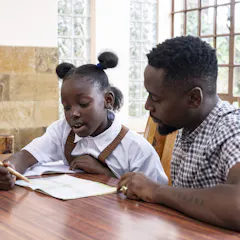
Studies show that teaching parents how to support their children can lead to improvements in literacy.
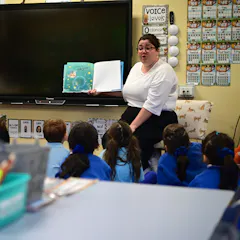
A new Grattan Institute report provides a plan to ensure at least 90% of Australian school students can read well.
Top contributors
-

Professor, School of Education, University of Southern Queensland
-
Associate Professor in Language, Literacy and TESL, University of Canberra
-
Associate Professor, University of Southern Denmark
-
Professor, Werklund School of Education, University of Calgary
-
Senior Research DECRA Fellow, Institute for Learning Sciences and Teacher Education, Australian Catholic University
-
Professor of Education Futures, The University of Melbourne
-
Deputy CEO (Research), Australian Council for Educational Research
-
Professional Learning and Development Facilitator in Literacy Education, Te Kunenga ki Pūrehuroa – Massey University
-
School Education Program Director, Grattan Institute
-
Professor at the Australian Centre for the Advancement of Literacy, Australian Catholic University
-
Professor, Canada Research Chair in Determinants of Child Development, Owerko Centre at the Alberta Children’s Hospital Research Institute, University of Calgary
-
Professor of Cognitive Psychology, School of Education, La Trobe University
-
Professor in Language Education, member bua-lit collective, University of Cape Town
-
Senior Lecturer in Literacy, Edith Cowan University
-
Professor in Early Childhood Education and Community, University of Canberra