

Without accounting for land use, Australia’s emissions have only decreased 3% since 2005 – not the 27% cut you might have heard.
Articles on Land use
Displaying 21 - 40 of 108 articles
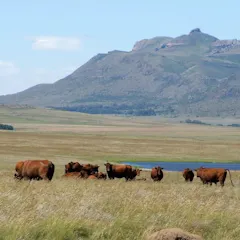
The Grassland Society of Southern Africa has been conducting scientific research for 60 years, adapting to new challenges.
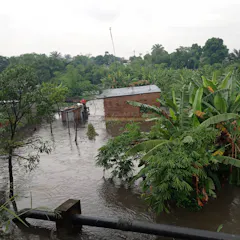
Periodic flooding in Kinshasa is a symptom of uncontrolled urbanisation.

There is a range of important reasons why home ownership remains elusive for many Australians. But there are solutions.

By phasing out sugar, we could spare land that could be rewilded and stock up on carbon. Sugar could also be used to produce biofuels and bioplastics.
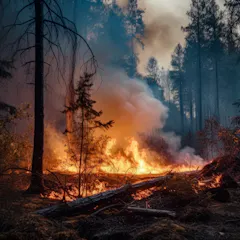
Removing enough carbon to offset emissions would require vast tracts of inhabited land.

As the world’s population grows, contact between humans and wildlife will increase in more than half of Earth’s land areas. A new study shows where the largest changes will occur.
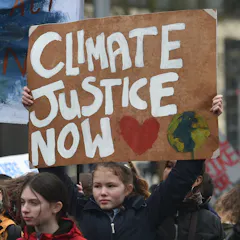
The ecological transition can sometimes work to the detriment of marginalized communities. Any approach to climate action must take issues of equity and justice into account.

Producing energy from harvested trees and other plants – bioenergy – might sound like a greener option, but it’s not a simple issue.

What are ‘squatters’ rights’ and do they apply in Australia? They do, but using them will likely prove difficult.

The strategy aims to conserve biodiversity while also contributing to the creation of jobs and economic growth.

‘Beccs’ faces lots of problems. A global switch away from meat could help address them.

Satellite images and community perceptions combine to give a fuller picture of land use changes.
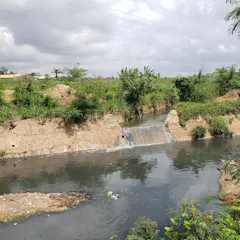
The inability of city authorities to enforce land-use regulations has allowed people to carry out ecologically unfriendly activities along the water bodies.

Ghana needs strong political will to enhance its climate change regulation.

It takes time to make more affordable long-term housing options available. So what can be done in the meantime? We can start by prioritising well-designed, supportive transitional housing.
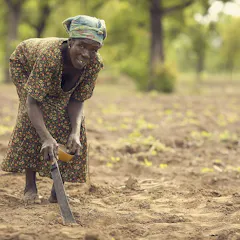
Reforms to land policies and regulations are enabling the traditional custodians of the land in Ghana to transfer ownership. Communal land users could lose their basic rights.
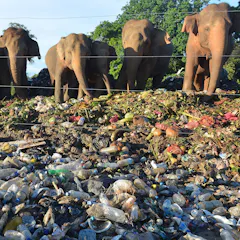
A new study looks back into history to assess human impacts on the range of Asian elephants and finds sharp decline starting several centuries ago.
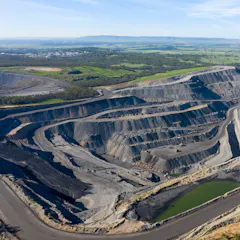
The people of the Hunter have a clear picture of the future they want. But to unlock the region’s future opportunities, we must first clean up the costly legacy of its coal-mining past.
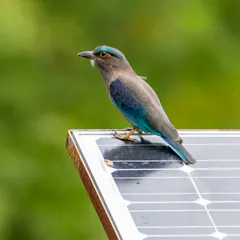
Solar panels can provide places for animals to rest, shelter and breed – potentially benefitting both the land and farmers.
Top contributors
-

Lecturer in Conservation, The University of Queensland
-
Professor in Conservation Science, School of the Environment, The University of Queensland
-
Research associate, The University of Melbourne
-
Oppenheimer-Jamma Research Chair in African Wildlife Economies, Stellenbosch University
-
Senior Lecturer in Chemical and Renewable Energy Engineering, University of Newcastle
-
Senior Research Fellow, School of Geography, Earth and Atmospheric Sciences, The University of Melbourne
-
Professor of International Planning, Centre for Urban Research, RMIT University
-
Research Scientist, CSIRO
-
Associate Professor, Centre for Sustainability Transitions, Stellenbosch University
-
Professor of Human Geography, The University of Queensland
-
Senior Lecturer in Urban and Environmental Planning, Griffith University
-
PhD Candidate, Doctor of Social Sciences, Royal Roads University
-
Associate Professor, Deakin University
-
Researcher in Conservation Decision Science and Land Use, University of Oxford
-
Associate Professor, Institute for Sustainable Futures, University of Technology Sydney