

The built environment plays a pivotal role in lowering residents’ exposure to climate change driven risks.
Articles on Land use
Displaying 61 - 80 of 108 articles
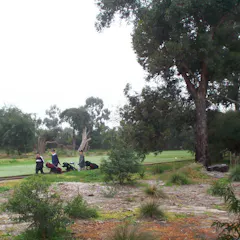
COVID-19 restrictions led to calls to open up golf courses to the public. But these are such precious refuges for native flora and fauna that access will have to be carefully managed.
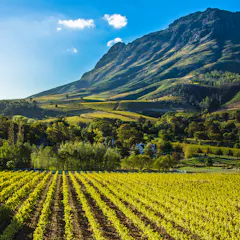
South Africa’s that current land reform strategies focus too narrowly on agricultural outcomes and transferred ownership - this undermines equitable and sustainable land reform.

How climate change and other human actions have combined to create conditions for explosive wildfires in California, Oregon and Washington state.
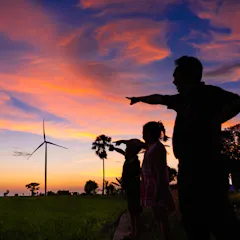
Land acquisition remains a major challenge for Indonesia’s increasing renewable energy installations.
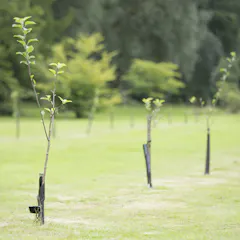
The UK’s official climate advisor recommends up to 50,000 hectares of new woodland each year by 2050.
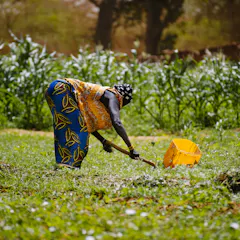
Soil and water conservation projects can create fertile farmlands and change migration patterns linked to land degradation in Burkina Faso.
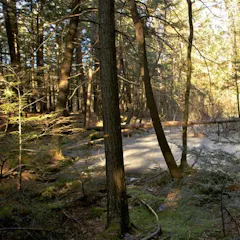
Evidence shows Native Americans in New England lived lightly on the land for thousands of years. It wasn’t until Europeans arrived that the landscape experienced major human impacts.
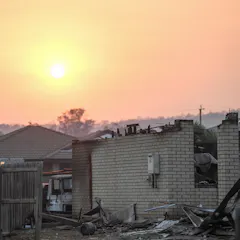
Land-use planning should give more weight to the increasing risks of natural hazards like bushfires as the first step in reducing the impacts.

Himalayan villages are growing food in the forests, a traditional model that can fight both land clearing and world hunger.

Hundreds of archaeologists provided on-the-ground data from across the globe, providing a new view of the long and varied history of people transforming Earth’s environment.
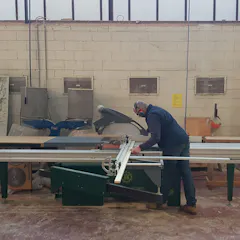
Rezoning to mixed-use residential development drove small manufacturers and creative producers out of the inner city. The result is less diversity of land uses, jobs and services where we most want it.

The cost of land and, in turn, housing forces people to buy into the rules of market capitalism, making it very hard to ‘downshift’ from consumer lifestyles. But what if we rethink public housing?
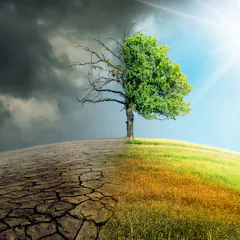
The ‘tractors and chemicals’ recipe for farming has let human populations boom, but left us with degraded soils.
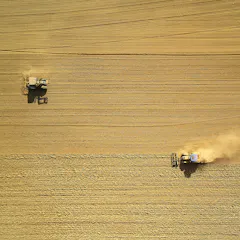
The world has no hope of reaching the goals of the Paris Agreement without seriously reducing emissions from agriculture, forestry and land clearing.
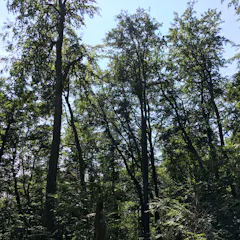
Forget eyecatching headlines about planting millions of new trees – natural mature forests are far better at storing carbon.

The abandonment of crops and pastures allows the natural regeneration of bushes and forests and the recolonization of fauna.

A new petition is urging state and federal governments to rein in Australia’s rampant land clearing, which worsens the risk of bushfires and threatens to undo the work of the Emissions Reduction Fund.

Just one out of a possible 775 development approvals was refused on the basis that it would harm the southern black-throated finch, despite this endangered species being protected by federal law.
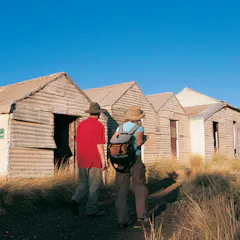
The industrial patterns of mining shaped many Australian towns, which found varied uses for disused mine sites. The mining boom ensures the challenges these sites present will be with us a long time.
Top contributors
-

Lecturer in Conservation, The University of Queensland
-
Professor in Conservation Science, School of the Environment, The University of Queensland
-
Research associate, The University of Melbourne
-
Oppenheimer-Jamma Research Chair in African Wildlife Economies, Stellenbosch University
-
Senior Lecturer in Chemical and Renewable Energy Engineering, University of Newcastle
-
Senior Research Fellow, School of Geography, Earth and Atmospheric Sciences, The University of Melbourne
-
Professor of International Planning, Centre for Urban Research, RMIT University
-
Research Scientist, CSIRO
-
Associate Professor, Centre for Sustainability Transitions, Stellenbosch University
-
Professor of Human Geography, The University of Queensland
-
Senior Lecturer in Urban and Environmental Planning, Griffith University
-
PhD Candidate, Doctor of Social Sciences, Royal Roads University
-
Associate Professor, Deakin University
-
Researcher in Conservation Decision Science and Land Use, University of Oxford
-
Associate Professor, Institute for Sustainable Futures, University of Technology Sydney