
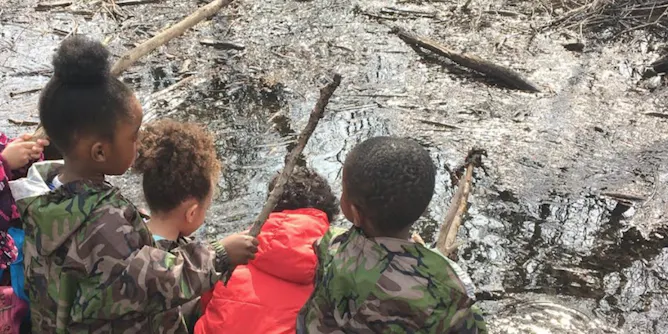
When parents walk in the forest with their children and us and see how children are drawn to spiral snails, together we see how connections with the land are critical for the Earth’s future.
Articles on Land use
Displaying 81 - 100 of 108 articles
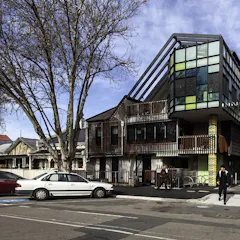
As Melbourne’s population hits 5 million, it’s a reminder that growing cities must make much better use of vacant and underused land to meet the urgent need for affordable housing.
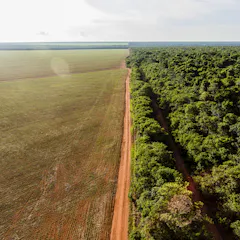
Brazil has set itself a target of restoring almost 50,000 sq km of the Amazon rainforest by 2030. But it won’t get there without changing its policies and how it engages with local people.
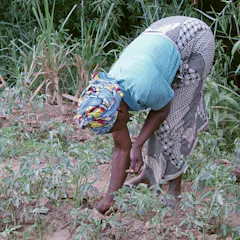
Civil society organisations in Zambia help women get access to land.
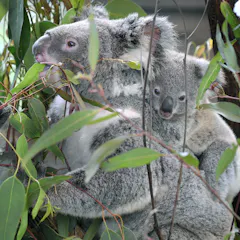
Local planning rules have prevailed in a long-running dispute over a proposed Gold Coast quarry that threatened the amenity of nearby residents and koalas.
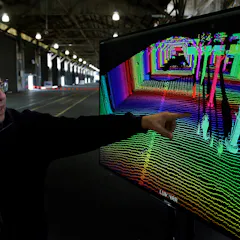
It will be hard to adjust. Considering what happened with the onset of car travel and web surfing, society can’t just wing it.
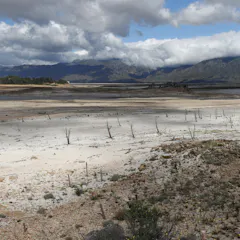
A new international report makes for bleak reading on the state of the world’s soils. It predicts that land degradation will displace up to 700 million people worldwide by mid-century.
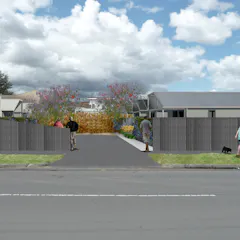
An innovative collaboration between government, a non-profit group and philanthropists has found a way to provide urgently needed housing on land that would otherwise be left vacant for years.
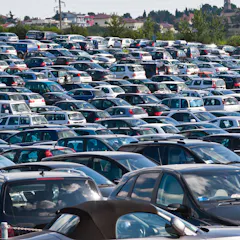
Cities around the world are starting to rethink the vast areas of land set aside for parking. The convergence of several trends likely will mean this space becomes available for other uses.
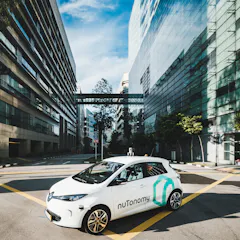
It’s clear autonomous vehicles will disrupt our cities, their land use and planning. Whether they make urban life better or worse depends on how well we anticipate and adapt to their impacts.
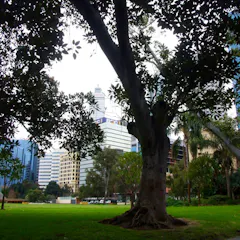
A new study shows major Australian cities are suffering an overall loss of green space –
although some areas are doing better than others.

Australia’s iconic stock routes are now public land, used for everything from conservation to recreation. A government review may change that.

Planners wish to correct past errors by increasing densities, discouraging car dependency and mixing land uses. But imposing imported strategies on Australian cities is producing unhappy results.
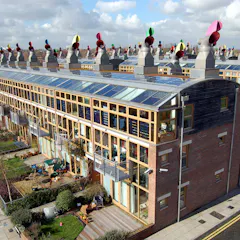
Traditional urban planning is being stretched by the pace at which renewable energy systems are being installed. New codes and guidelines are needed to manage emerging conflicts over land use.
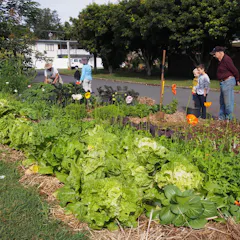
Urban residents are increasingly keen to farm verges, parks, rooftops and backyards, but planning rules sometimes stand in the way.
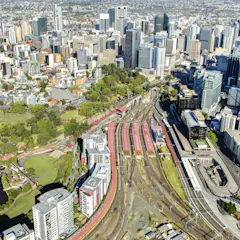
The rail project may well help get more commuters into the CBD, but offers few benefits for the parts of the broader metro area where most population growth is occurring.
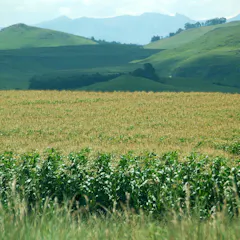
The ecological needs of the land need to be considered together with the social and political needs of its people.
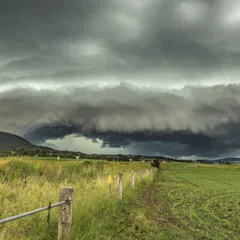
The State of the Environment 2016 report shows that the main drivers of environmental change in Australia are land-use change, habitat destruction, invasive species and climate change.

Most big city cemeteries in Australia date back to the 1800s, so we need to consider our burial options before we reach the point when the number of deaths exceeds the available cemetery plots.
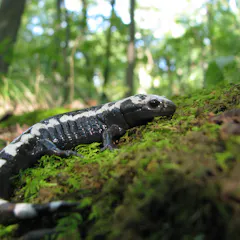
Animals and plants will need escape hatches to move to cooler climes as the planet warms, but few parts of the U.S. have the natural habitat available for these migrations.
Top contributors
-

Lecturer in Conservation, The University of Queensland
-
Professor in Conservation Science, School of the Environment, The University of Queensland
-
Research associate, The University of Melbourne
-
Oppenheimer-Jamma Research Chair in African Wildlife Economies, Stellenbosch University
-
Senior Lecturer in Chemical and Renewable Energy Engineering, University of Newcastle
-
Senior Research Fellow, School of Geography, Earth and Atmospheric Sciences, The University of Melbourne
-
Professor of International Planning, Centre for Urban Research, RMIT University
-
Research Scientist, CSIRO
-
Associate Professor, Centre for Sustainability Transitions, Stellenbosch University
-
Professor of Human Geography, The University of Queensland
-
Senior Lecturer in Urban and Environmental Planning, Griffith University
-
PhD Candidate, Doctor of Social Sciences, Royal Roads University
-
Associate Professor, Deakin University
-
Researcher in Conservation Decision Science and Land Use, University of Oxford
-
Associate Professor, Institute for Sustainable Futures, University of Technology Sydney