

Maintaining current elephant numbers, let alone reversing declines, requires new thinking and conservation innovation.
Articles on Ivory
Displaying 1 - 20 of 39 articles
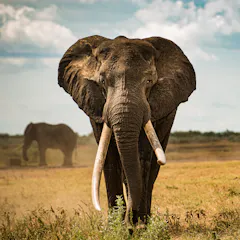
It is difficult to distinguish between elephant and mammoth ivory.

Archaeological discoveries show the different options that have solved human problems over time.
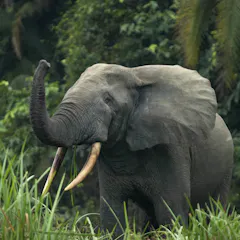
A new review of the status of African elephants finds scientific grounds for dividing them into two species, and reports that both have suffered drastic population declines since 1990.
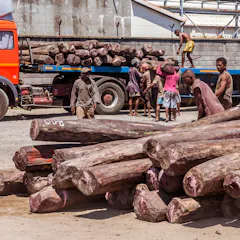
For decades nations have worked to curb international sales of endangered plants and animals. But in countries like China, with high demand and speculative investors, that strategy fuels bidding wars.
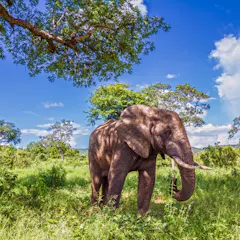
In large ecosystems, managing elephant populations so they don’t exceed a certain threshold number is arbitrary.
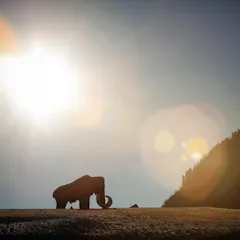
Melting Siberian permafrost is exposing long-dead mammoths, creating a new trade in mammoth ivory.
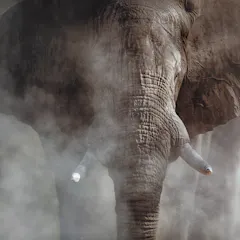
As the ultimate custodians, it is urgent that African countries with elephants take
ownership of the processes at CITES.
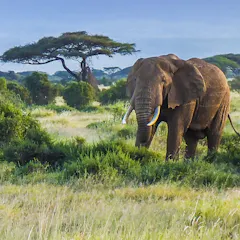
Amid a growing human population, African elephants are confined to an increasingly managed existence. Do we want more for one of the world’s most loved species?

There is a significant elephant-poaching problem in northern Botswana that has likely been going on for over a year.
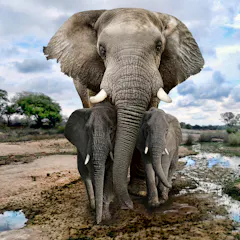
Drone technology plays a vital role in gathering accurate wildlife data. But this alone isn’t enough to save Africa’s elephants.
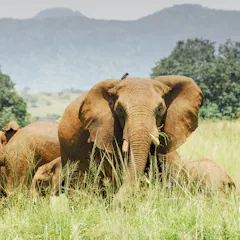
Locations like border towns as well as people acting as middlemen provide key insights into Uganda’s ivory trade.
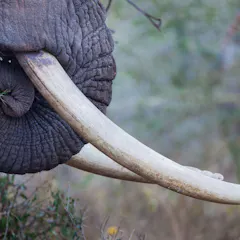
Should trade in ivory be banned or not? There may be a solution.

Despite various exceptions, the UK’s proposed ivory ban will be among the toughest in the world.
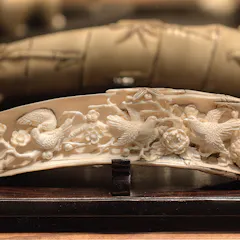
The EU and UK are fuelling the illegal trade through their continuing sale of legal ivory items.

The destruction of a massive haul of illegal ivory was supposed to send a message to poachers and those who trade in the tusks. Did they notice, or can the ivory be used to help elephant conservation?
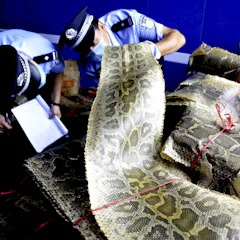
This multi-billion pound industry increasingly involves organised crime groups, who see wildlife as a low risk route to profit.
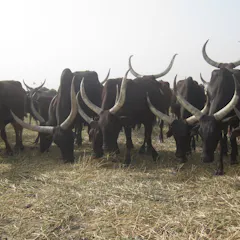
The idea that terror groups like Boko Haram fund their activities through ivory poaching in Africa is a compelling narrative. But it’s undermining wildlife conservation and human rights.
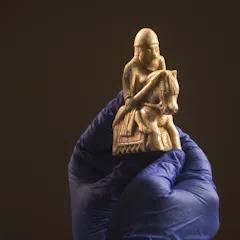
An ivory ban in the US had a series of unintended consequences.
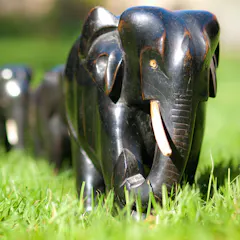
Ivory from illegally-poached elephants can easily be mistaken for antique.
Top contributors
-

Research Associate, Department of International Relations, University of the Witwatersrand; Chief Research Officer, Good Governance Africa; Managing Director, Harvey Economics Pty Ltd.
-
Professor and Chair, Southwestern Environmental Science and Policy, Northern Arizona University
-
Senior Lecturer, Mathematics, The University of Queensland
-
Senior Lecturer in Law, University of Portsmouth
-
Professor of Fish, Wildlife and Conservation Biology, Colorado State University
-
Professor of Anthropology, The Ohio State University
-
Professor of Conservation and Applied Resource Economics, University of Kent
-
Lecturer in Visual Anthropology
-
Visiting Professor, University of Kent
-
Postdoctoral research fellow, School of Biological Sciences, The University of Queensland
-
Research Fellow at the Centre for Planetary Health and Resilient Conservation Group, Griffith University
-
Ecologist leading programs and organizations in conservation, The Ohio State University
-
Professor, Conservation Biology, The University of Queensland
-
Research Professor of Biology at Center for Conservation Biology, University of Washington
-
Research Fellow in Conservation and Sustainability, University of Kent