

Maintaining current elephant numbers, let alone reversing declines, requires new thinking and conservation innovation.
Articles on ivory ban
Displaying all articles
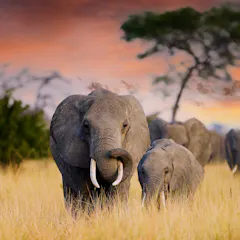
Japan was one of the world’s largest ivory markets – research explains why the country is no longer a key destination for the product.
In the 1800s, Americans hunted many wild species near or into extinction. Then in the early 1900s, the US shifted from uncontrolled consumption of wildlife to conservation. Could Asia follow suit?
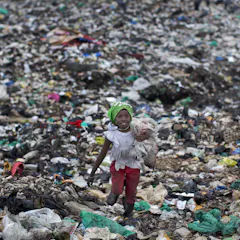
Dozens of cities, states and nations are enacting bans and restrictions on single-use plastic bags and other items. A legal expert explains how a global treaty could build on these efforts.
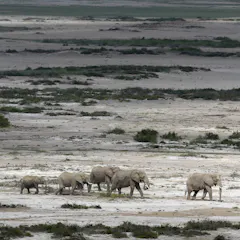
Improving livelihoods by exploring alternatives to wildlife trade would help to curb the poaching of threatened species like elephants.

Despite various exceptions, the UK’s proposed ivory ban will be among the toughest in the world.

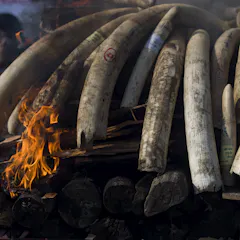
The destruction of a massive haul of illegal ivory was supposed to send a message to poachers and those who trade in the tusks. Did they notice, or can the ivory be used to help elephant conservation?
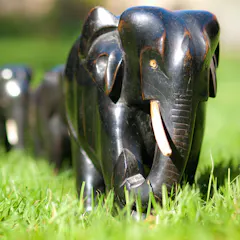
Ivory from illegally-poached elephants can easily be mistaken for antique.
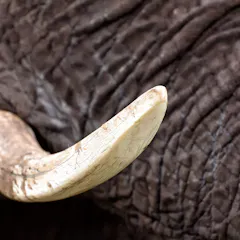
The world’s largest trader is closing down.

China has decided to end all domestic trade in ivory, an act that could help elephant numbers all over Africa.
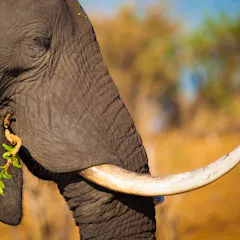
Ivory was a major talking point at the CITES CoP17 conference.Many feel the ban on trade doesn’t work while others believe the ban is the only way to save the iconic species.

Historical evidence shows African elephants are endangered by the ivory trade, despite any attempt at regulating the market. A total ban is the only hope for the world’s largest living land animal.
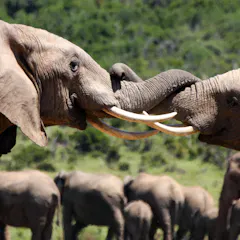
The ivory trade is a very contentious issue and will be debated at CITES. It will revolve around maintaining or lifting the ban on trade. But the human element is likely to be ignored.
Top contributors
-

Senior Lecturer in Law, University of Portsmouth
-
Research Associate, Department of International Relations, University of the Witwatersrand; Chief Research Officer, Good Governance Africa; Managing Director, Harvey Economics Pty Ltd.
-
Professor and Chair, Southwestern Environmental Science and Policy, Northern Arizona University
-
Professor of Biochemistry and Clinical Chemistry, Sokoine University of Agriculture
-
Professor Emeritus and Director of the Centre of Applied Social Sciences, University of Zimbabwe
-
Associate Professor in Landscape Ecology & Conservation, Chinese Academy of Sciences
-
Senior Lecturer, Mathematics, The University of Queensland
-
Postdoctoral research fellow, School of Biological Sciences, The University of Queensland
-
Professor, Conservation Biology, The University of Queensland
-
Professor in Conservation Science, School of the Environment, The University of Queensland
-
Assistant Professor of Planetary Health, Maastricht University
-
Professor, University of Stirling
-
Senior Researcher in National Institute for Environmental Studies (NIES) & Visiting Researcher in ICCS, University of Oxford
-
Director, Durrell Institute of Conservation and Ecology, University of Kent
-
Research Professor at NCSU and Scientist at NC Museum of Natural Sciences, North Carolina State University