
With sperm counts declining world wide, it’s important to know how to keep your sperm as healthy as possible.
Articles on IVF
Displaying 41 - 60 of 173 articles
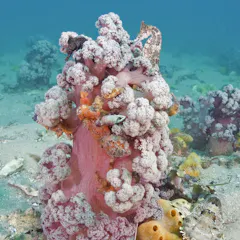
After a chance discovery in the lab, this team used IVF to make hundreds of coral babies for restoration projects in New South Wales. So far the IVF babies are doing well in the wild.

IVF doesn’t always work, but clinics often don’t make that clear to patients.

The landscape has been shifting when it comes to employer interest in employee fertility journeys.
Scientists can create viable eggs from two male mice. In the wake of CRISPR controversies and restrictive abortion laws, two experts start a dialogue on ethical research in reproductive biology.
Mark Raphael Baker is best known for two outstanding memoirs, The Fiftieth Gate, exploring his parents’ Holocaust experience, and Thirty Days, about the death of his first wife.

When faced with the exorbitant costs of continued IVF, Alison and Deacon decide to steal a large sum of money - reflecting the real life desperation many couples feel.

Women’s fertility declines with age, but the ‘cliff’ we often hear about at age 35 is a myth: it’s more of a gentle slope.
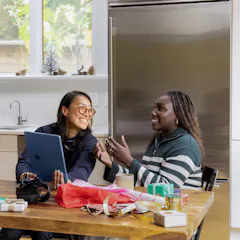
We asked 1,000 people why they hadn’t donated their eggs or sperm, and their responses tended to fall in four categories.
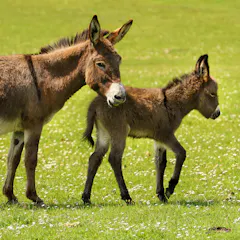
The embryo is frozen in liquid nitrogen until a suitable female donkey is found to grow it into a baby.
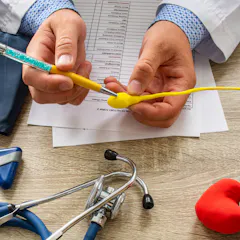
A new report from IVF clinics across Australia and New Zealand has found male fertility is a factor in a third of couples seeking IVF.
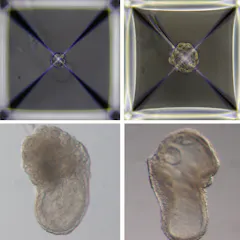
Adults today may have grown up dreaming they would live to see working jet packs and robot assistants but few people imagined it would be possible to create life without reproductive cells.

Some IVF clinics promise a lot when it comes to egg freezing but in reality, your chances come down to three key numbers: your age, the number of eggs collected and your budget.
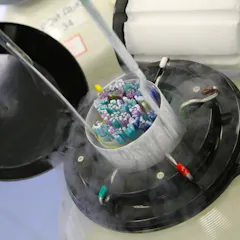
Previously, eggs and sperm (gametes) and embryos were typically only stored for a maximum of ten years.
Genetic mutations can impact our ability to reproduce – even via in vitro fertilisation.
A pending bill in Colorado would disclose donor information to children and their parents and set limits on how many families can use a single individual’s egg or sperm.

Rich with evocative detail, an author’s personal account of childlessness has no neat narrative arc, but is touched by grace and acceptance.

Embryo glue and endometrial scratching are just a couple of the add-on procedures people can choose from.
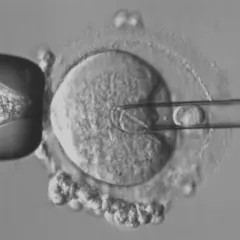
Parents at risk of passing on genetic disease to their children via mutations in the mother’s mitochondrial DNA could soon use a new IVF-based treatment involving healthy donor mitochondria.

Genetic testing of embryos during IVF doesn’t increase the odds of having a baby. But there are a number of downsides, including cost.
Top contributors
-

Adjunct Senior Research Fellow, Global and Women's Health, School of Public Health & Preventive Medicine, Monash University
-
Dean and Professor, Law School, La Trobe University
-
Senior Lecturer, School of Social Sciences and Humanities, Loughborough University
-
Emeritus Professor of Reproductive and Periconceptual Medicine, The Robinson Research Institute, Adelaide University
-
Associate Professor of Law (Health Law), Deakin University
-
Clinical Associate Professor, Faculty of Medicine, Dentistry & Health Sciences, The University of Melbourne
-
Monash University
-
ARC Industry Fellow, Monash Bioethics Centre, Monash University
-
Professor - Emerging Technologies (Stem Cells) at The University of Melbourne and Group Leader - Stem Cell Ethics & Policy at the Murdoch Children's Research Institute, The University of Melbourne
-
Lecturer in the School of Applied Sciences, Edinburgh Napier University
-
Professor and Group Leader, Reproductive Epidemiology, Murdoch Children's Research Institute
-
Professor of Bioethics, Monash University
-
Reader in History and Deputy Dean of Humanities (Research), University of Essex
-
Professor, Director of the National Perinatal Epidemiology and Statistics Unit, UNSW
-
Research Fellow in Biomedical Ethics, The University of Melbourne