

Laws such as Alabama’s controversial ruling that gives personhood rights to frozen embryos will have ripple effects on how advance directives are interpreted by doctors and the courts.
Articles on In vitro fertilization
Displaying 1 - 20 of 23 articles

I’m a scholar, not an activist or an advocate. But now one of the most intimate, personal events of our lives had been turned into a political event by the state’s highest court.

IVF is a decades-old procedure that has allowed increasing numbers of prospective parents to have children. Evolving legislation may put it under threat.
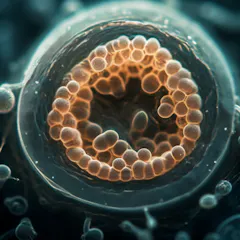
Scientists can create viable eggs from two male mice. In the wake of CRISPR controversies and restrictive abortion laws, two experts start a dialogue on ethical research in reproductive biology.

Treating a potentially deadly pregnancy complication gets caught up in the abortion debate. A nurse-midwife explains why it shouldn’t.
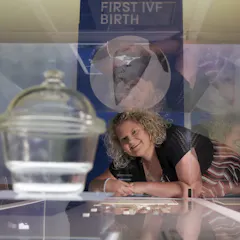
An unknown number of people have lost their dreams of parenthood because of storage disasters at fertility clinics. These experts note poor government oversight and the need for stronger regulation.

Two research groups have turned human skin cells into structures resembling an early-stage human embryo, paving the way for exciting new research avenues, and opening up some tricky ethical questions.

Expect fewer visits to the clinic, fewer people in the waiting room at once, and temperature checks.
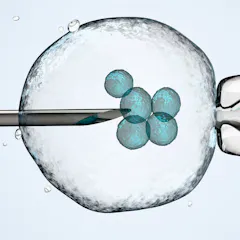
The story of how human eggs became an integral part of a multi-billion dollar global fertility industry starts in a unlikely place: the sex lives of farm animals.

A ban on clinical trials involving gene editing rules out the controversial procedure done in China. But it also prevents procedures that could offer couples a chance for healthy children without genetic disorders.
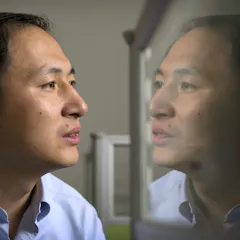
News of the gene-edited babies excludes images of the children’s mother. Cutting her out of the picture underscores the idea that the mother is obsolete and babies can be created in the lab.

Children with cancer not only endure chemotherapy or radiation treatment but they may also face infertility in adulthood. Now a new procedure, just proven in monkeys, may be close to use in humans.

If you’re one of the one in six Australian couples experiencing infertility, you’ve probably thought about IVF. Here’s a step by step breakdown of how it all works.
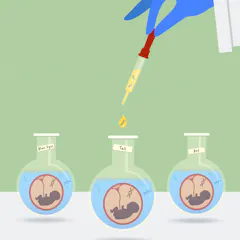
Forecasts of designer babies followed the announcement of the gene-edited twins, just as they have for any reproductive technology since 1978. This signals the public must learn more about genetics.
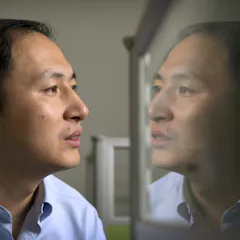
To announce the world’s first gene-edited babies, scientist He Jiankui did what movie directors do: release a trailer on YouTube. The video is a positive spin on unauthorized gene editing.
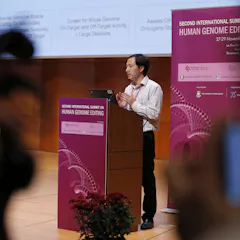
Chinese researcher He Jiankui told a spellbound audience how he created gene-edited babies. With a couple of revealing slides, we can see what he did and speculate what health problems might ensue.

For women and men not ready to have children, there are new ways to preserve fertility. And experimental techniques offer hope for sick children whose treatments jeopardize future childbearing.
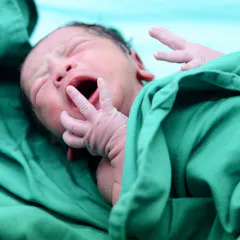
The concept of three-parent babies defies what we learned in health class. But how and when is the third parent involved? At what stage? Jennifer Barfield gives us an update on the birds and the bees.

A new study has countered old reports acupuncture can improve your chances of having a baby when going through IVF.

Americans have moved on from worrying about ‘test-tube babies’ – but there are still ethical challenges to resolve as reproductive technologies continue to advance.
Top contributors
-

Assistant Professor of Obstetrics, Gynecology & Reproductive Sciences, University of Pittsburgh
-
Professor of Biomedical Sciences, Colorado State University
-
Senior Lecturer in the Department of Obstetric and Gynaecology, University of Nairobi
-
Professor and Endometriosis Group Leader, The Robinson Research Institute, Adelaide University
-
Professor Clinical Research, Western Sydney University
-
Instructor, Oregon State University
-
Research Professor of Epidemiology, Emory University
-
Assistant Professor, Assisted Reproductive Technologies, Colorado State University
-
Political Scientist, RAND
-
Lecturer, Macquarie University
-
Law Dean; Professor of Law; and Professor of Bioethics & Public Health, Case Western Reserve University
-
Emeritus Professor of Reproductive and Periconceptual Medicine, The Robinson Research Institute, Adelaide University
-
Assistant Professor of Nursing, University of Tennessee
-
Associate Professor of Nursing, UMass Lowell
-
Professor of Animal Science, Adjunct Professor of Obstetrics, Gynecology and Reproductive Biology, Michigan State University