

A day of celebration for many, it is also a source of anxiety for those whose hopes of motherhood have been dashed by infertility, loss, and those who have chosen unconventional paths to parenthood.
Articles on Assisted reproduction technology
Displaying 1 - 20 of 56 articles
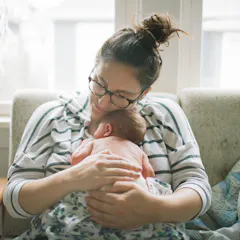
A new study looked at cancer rates in 417,984 women who’d had fertility treatment and compared them to cancer in the general population of women.

Companies are profiting from parental anxiety while providing questionable benefits from these tests. Here’s what we know so far.
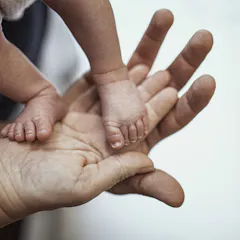
Choosing an overseas clinic and a donor can be difficult, and can come with some additional risks.
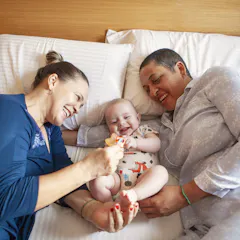
Using cells from a donor egg doesn’t create three ‘parents’. And while DNA is important, it’s not the defining feature of rainbow families.
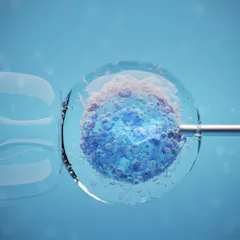
News that a woman who received IVF treatment in Brisbane gave birth to another patient’s baby due to an embryo mix-up raises many questions.

Māori and Pacific women are particularly disadvantaged by the BMI limit on access to public fertility treatment. Research shows Polynesians are much leaner than Europeans at significantly higher BMIs.

IVF is a decades-old procedure that has allowed increasing numbers of prospective parents to have children. Evolving legislation may put it under threat.

The technology may be here sooner than we think. But we have so much to discuss first.
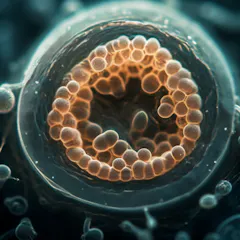
Scientists can create viable eggs from two male mice. In the wake of CRISPR controversies and restrictive abortion laws, two experts start a dialogue on ethical research in reproductive biology.

There are 5 key reasons why this reform should go ahead.

A pending bill in Colorado would disclose donor information to children and their parents and set limits on how many families can use a single individual’s egg or sperm.
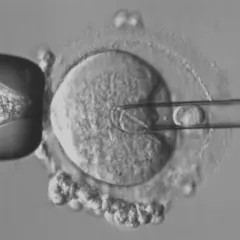
Parents at risk of passing on genetic disease to their children via mutations in the mother’s mitochondrial DNA could soon use a new IVF-based treatment involving healthy donor mitochondria.
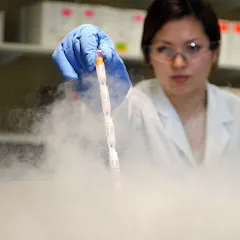
Many people are filing lawsuits after discovering that sperm banks failed to verify information from donors about their medical and personal backgrounds.
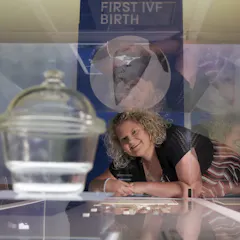
An unknown number of people have lost their dreams of parenthood because of storage disasters at fertility clinics. These experts note poor government oversight and the need for stronger regulation.

For some people, accessing their super early for fertility treatments is their only chance to start or extend their family. And they need better protection.

Warnings of an end to human sperm production have been making headlines recently, now with the added threat of shrinking penises. Is this science or sensationalism?

The nomination of Judge Amy Coney Barrett has implications for how assisted reproductive technologies, which can prevent the transmission of disease from parents to child, are regulated.

By unlocking the full potential of rhino ovaries, we hope to produce enough eggs to revive the northern white rhino in the wild.
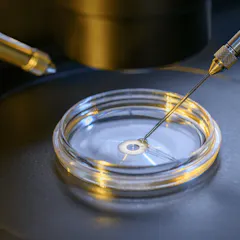
As more choices become theoretically available to prospective parents, it’s important to understand their rights.
Top contributors
-

Adjunct Senior Research Fellow, Global and Women's Health, School of Public Health & Preventive Medicine, Monash University
-
Assistant Professor and Canada Research Chair in the Politics of Reproduction, University of Waterloo
-
Associate Professor of Law (Health Law), Deakin University
-
Professor of Law, University of Virginia
-
Professor and Group Leader, Reproductive Epidemiology, Murdoch Children's Research Institute
-
Professor of Law, George Washington University
-
Distinguished Research Professor, Emerita, Dalhousie University
-
Associate Professor in Sociology, Swinburne University of Technology
-
Dean and Professor, Law School, La Trobe University
-
Monash University
-
Professor of Law & Adjunct Professor, Faculty of Medicine Dentistry and Health Sciences, The University of Melbourne
-
Associate Professor of Law, L’Université d’Ottawa/University of Ottawa
-
Professor of Biomedical Sciences, Colorado State University
-
Professor, Director of the National Perinatal Epidemiology and Statistics Unit, UNSW
-
Associate Professor of Law, L’Université d’Ottawa/University of Ottawa