
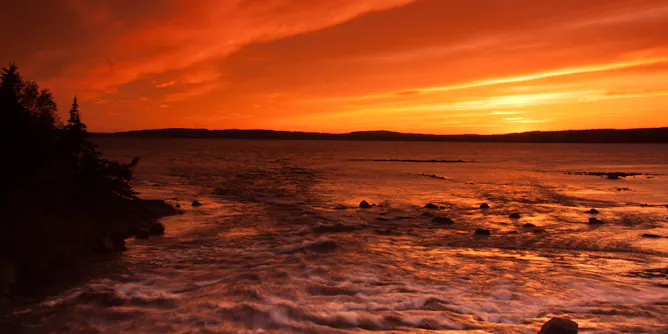
Coastal communities are helping scientists understand the impacts of marine heatwaves — and find solutions.
Articles on Inuit
Displaying 81 - 99 of 99 articles
Once we understand genocide as something that can take awhile, with victims dying of starvation and disease rather than outright murder, we can recognize the genocide of Indigenous peoples in Canada.
We must recognize the complexity of perspectives on climate change if we want to confront it.
To improve Indigenous health in Canada we need more Indigenous health professionals and more culturally competent health-care providers. We also need to listen properly to Indigenous stories.
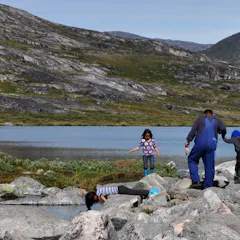
The general health of Greenlandic children is now as good as that of their European peers – perhaps even better.
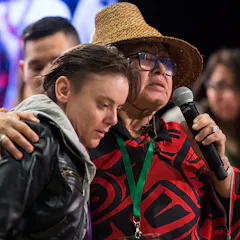
University “Indigenization” efforts using Massive Open Online Courses promise to reach wide audiences. They also raise critical questions about how to embody Indigenous ways of knowing and relating.
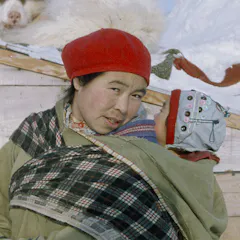
The TB epidemic is out of control in Canada’s North. Eliminating the disease will require accurate data as well as government investment.
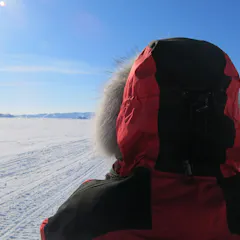
Ecological grief - the mourning that takes place when we lose parts of the natural world - is likely to affect more of us in the future.

The use of the word Eskimos for a Canadian football team needs to end. It signals negative stereotypes and is considered by most Inuit to be a racial slur.
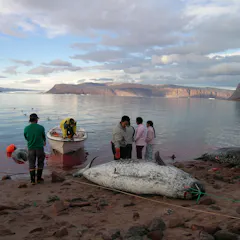
The North Water Polynya, or Pikialasorsuaq, is a key ocean area for Arctic animals and for Inuit hunting and fishing. Rocket launches threaten to contaminate the area with harmful chemicals.

Can community-led research help address Canada’s Indigenous water security issues? One project from the Inuit community of Rigolet in Labrador suggests it can.
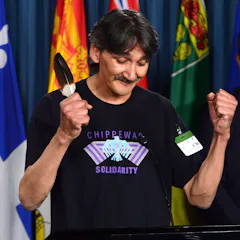
The Supreme Court of Canada’s recent decisions on Clyde River and Chippewas contain key lessons to ensure that Indigenous rights are recognized and respected in the future.
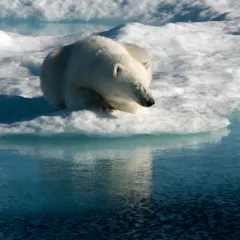
The Inuit town of Clyde River has won a long battle to stop Arctic seismic testing. The Supreme Court ruled the Inuit weren’t adequately consulted. What does that mean for future consultations?
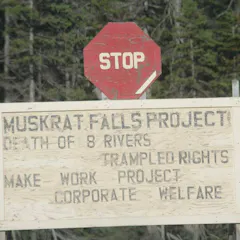
The ‘Muskrat Falls’ hydroelectric project is being built in anticipation of the Innu voting away ownership of their own land.
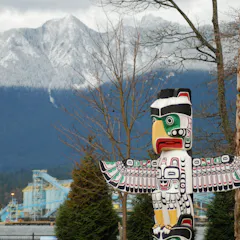
The relationship between Canada’s Aboriginal peoples and non-indigenous population has never been an equal one, even though the 1982 national constitution recognises Aboriginal rights.

Banning the hunts would harm the Inuit more than it would help the bears.
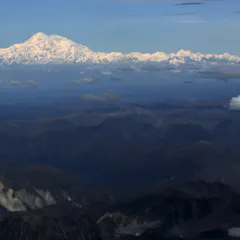
For millennia, the Koyukon Athabascan have called the 20,000-foot mountain “the tall one.”
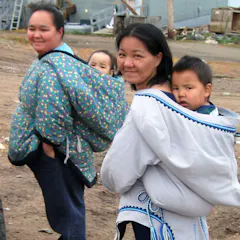
Tony Abbott spent most of this week in North East Arnhem Land, part of his long-held hope “to be not just the Prime Minister but the Prime Minister for Aboriginal Affairs”. In the final of our Abbott in…
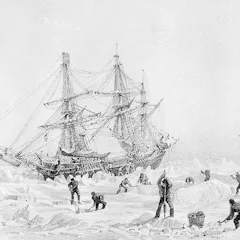
On September 6, Canada’s prime minister, Stephen Harper, announced that one of the fabled lost ships of Sir John Franklin’s expedition had been found off Hat Island, south-west of King William Island…
Top contributors
-

Associate professor, Department of Health Sciences, Carleton University
-
Professor, University of Alberta
-
Vice-Provost, Labrador Campus & Dean, School of Arctic and Subarctic Studies, Memorial University of Newfoundland
-
PhD Candidate in Public Health and Social Policy, University of Victoria
-
Executive Co-Director, UNU Hub on Empowering Communities to Adapt to Environmental Change, United Nations University; University of Calgary
-
Senior Research Fellow, Center for War Studies, University of Southern Denmark
-
Adjunct Marine Affairs Program, Dalhousie University
-
Assistant professor, Département de médecine sociale et préventive, Université Laval
-
Assistant Professor in Aboriginal and Indigenous Law, Dalhousie University
-
Ottawa Health Services Network Inc.
-
PhD researcher in sovereignty and rhetoric, Carleton University
-
Honorary Research Fellow, Human Geographer, University of Exeter
-
Professor Emeritus, Department of Political Science, Wilfrid Laurier University
-
PhD Candidate in Humanities, Concordia University; Honorary Fellow, UWA Faculty of Law, The University of Western Australia
-
Adjunct professor, U of T Faculty of Law, University of Toronto